
Vehicle Safety Essentials for Wet and Icy Weather
Table of Contents
Learning how to prepare your vehicle and adjust your driving style is crucial for safe driving and peace of mind, regardless of the road conditions. When winter weather hits, wet roads, icy conditions, and heavy rain can make everyday driving a real challenge. Below you will find driving tips and advice on how to drive safely in any weather Mother Nature decides to throw your way.
Prepare Your Vehicle for Winter Driving

Before you set off, ensure that your car is prepared. Proper car care during winter conditions not only improves performance but also prevents damage to your car in dangerous road conditions.
Check Your Tyres and Tread Depth
Your tyre is your only contact with the road, so ensuring the correct tread depth and tyre pressure is vital. Cold air reduces pressure, and worn tyres reduce traction on wet roads.
Tyres: Inspect your winter tyres regularly.
Tyre Depth: Check tread depth (minimum 3 mm).
Tyre Pressure: Maintain proper tyre pressure for maximum grip.
Winter Tyres: Consider using winter tyres to improve control of your car on icy or wet roads.
Visibility and Windscreen Care
Poor visibility is one of the biggest hazards in winter driving.
- Keep your windscreen clean and your washer reservoir filled with winter-grade fluid.
- Replace worn wiper blades to clear heavy snow and rain.
- Always use your headlight and fog lights in poor weather and traffic to improve visibility.
Battery, Fluids, and Lights
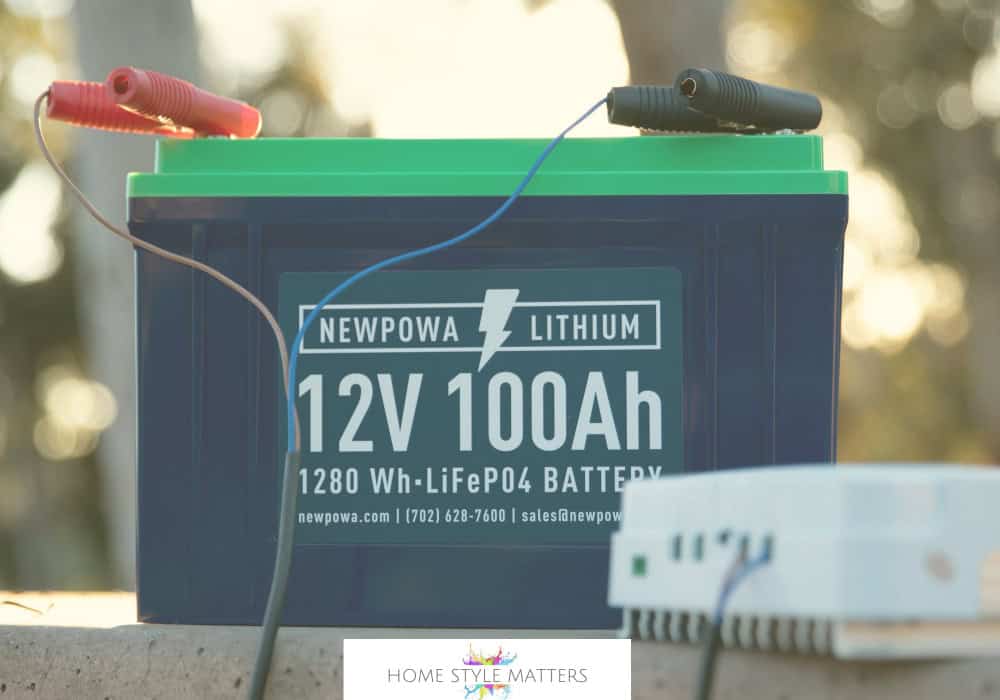
Cold weather reduces battery efficiency. Have your battery checked and top up all fluids.
Make sure fog lights, indicators, and brake lights are clean and working before setting off; this ensures road safety for both you and the vehicle in front.
Keep Your Battery in Top Shape
Cold temperatures strain batteries.
- Have it tested before winter.
- Clean any corrosion from terminals.
- Replace if older than three years.
Winter Driving Tips and Safety Essentials
When driving in winter, prepare to drive carefully and reduce your speed. Winter driving demands smoother steering, gentle acceleration, and early braking to avoid skids.
Braking and Stopping Distances
In icy conditions, stopping distances can increase up to tenfold.
Accelerator: Ease off the accelerator gently.
Brakes: Apply the brake smoothly — avoid harsh braking.
Distance: Leave extra distance between your car and the car in front.
Maintain Control: Increase your following distance to maintain control of your vehicle.
If you do begin to skid, stay calm, ease off the accelerator, and steer in the direction you want to go. This helps regain control of your car.
Black Ice and Icy Roads

Black ice is one of the most common winter hazards. It’s nearly invisible and forms when moisture freezes on a cold road surface.
To drive on black ice safely:
- Avoid driving suddenly or making sharp turns.
- Keep your speed low and your steering smooth.
- Use second gear when starting to prevent wheelspin.
- If you lose control, gently steer into the skid and avoid braking hard.
These winter safety techniques can help you navigate icy roads confidently, even during cold conditions.
Wet Weather Driving and Heavy Rain
Wet weather and heavy rain can lead to aquaplane incidents, where your tyres lose traction and the vehicle slides uncontrollably. Planning ahead helps you plan your route around the worst driving conditions.
To stay safe:
Speed: Reduce your speed and keep both hands on the wheel.
Puddles and Water: Avoid puddles and deep water on the road.
Aquaplane: If you aquaplane, ease off the accelerator and steer straight until your tyres regain contact with the road.
Weather Report: Check weather reports and local weather before you travel.
Driving in Snow and Ice
When driving in snow and ice, keep calm and drive smoothly.
- Clear the snow on your car before you start to avoid blocked views.
- Use second gear when pulling away.
- Keep the distance on ice between you and the next car and the vehicle long enough for safe stopping.
- Adjust your driving style to suit the road conditions.
- Always have an emergency kit on board for winter road situations.
Safe Driving and Road Safety
Practising safe driving isn’t just about technique — it’s about preparation.
Road Conditions and Weather Alert: Check road conditions and weather driving alerts before leaving.
Maintain Distance: Maintain your distance on ice and reduce your speed in poor driving conditions.
Roadside Assistance: Use your Rac Drive membership or roadside assistance for extra peace of mind.
Vehicle Condition: Always focus on ensuring your vehicle is in top shape.
Proper car care and consistent road safety awareness can prevent accidents, damage to your car, and help you stay safe throughout the winter weather.
Build Your Winter Emergency Kit
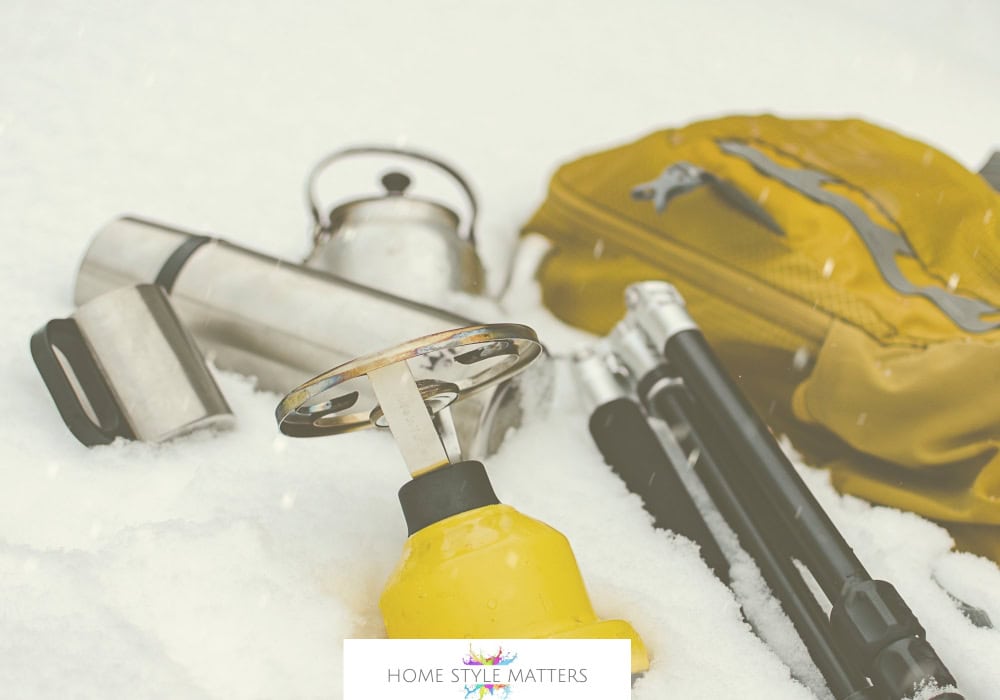
No one plans to get stranded, but being prepared can make all the difference.
Pack a winter emergency kit that includes:
- Ice scraper and snow brush
- Jumper cables
- Blanket and extra clothing
- Flashlight and batteries
- First-aid kit
- Bottled water and non-perishable snacks
- Traction aids (sand, cat litter, or traction mats)
- Reflective warning triangles or flares
- Phone charger or power bank
Car Insurance and MOT
As winter weather approaches, vehicle safety becomes paramount, highlighting the critical intersection of Car Insurance and MOT testing. An MOT not only ensures your vehicle meets legal safety standards but also acts as a crucial check-up for components that may falter in cold, icy conditions. By staying on top of your MOT, you’re not just complying with regulations; you’re proactively safeguarding your well-being and that of other road users.
Having comprehensive Car Insurance can be your safety net during unpredictable winter journeys. Many policies cover incidents related to harsher weather, such as slips and slides or unexpected breakdowns. As snow and sleet can dramatically change driving conditions, understanding the specifics of your coverage becomes essential. By aligning your insurance with the risks associated with vehicle safety essentials, you can drive with peace of mind, knowing you’re protected against potential mishaps.
Conclusion
Driving safely in winter conditions doesn’t have to be daunting. By following these driving tips, performing regular car care, and remembering to prepare your vehicle before each journey, you’ll stay safe on the roads, protect your passengers, and keep your winter car running smoothly all winter long.