Table of Contents
Preparing your Spring garden properly before the growing season begins is one of the most effective ways to ensure a healthy, productive year ahead. Whether you grow flowers, herbs, or a vegetable plot, early action helps you get your garden organised, nourished, and garden-ready for success. This guide focuses on the garden in February, when soil conditions begin to shift after the winter months. Below are tips to prepare your space, improve soil health, and ensure your spring garden is ready for planting.
Prepare Your Garden Bed
Knowing how to prepare your garden for spring is a skill every experienced gardener develops over time. These expert tips to prepare your garden focus on sustainable methods, soil care, and long-term results — not shortcuts.
Garden in February – Why Preparation Matters
February is a turning point for the garden. While growth is still limited, soil biology is slowly reactivating, making this the ideal moment to start preparing. Work done now allows the soil to settle naturally before the spring planting season begins.
Early preparation supports:
- Better soil preparation
- Improved drainage
- Fewer pests and diseases
- Stronger new growth later in the year
Garden Bed Assessment After the Winter Months
Before working any garden bed, take time to check the soil.
- Avoid working on soil that is frozen or waterlogged
- Wait for the soil to crumble easily in your hand
- Compacted areas can prevent roots from growing properly
Use a garden fork to gently loosen areas that feel compact, helping oxygen reach the soil without damaging its structure.
Clearing Debris from the Garden and Beds and Borders
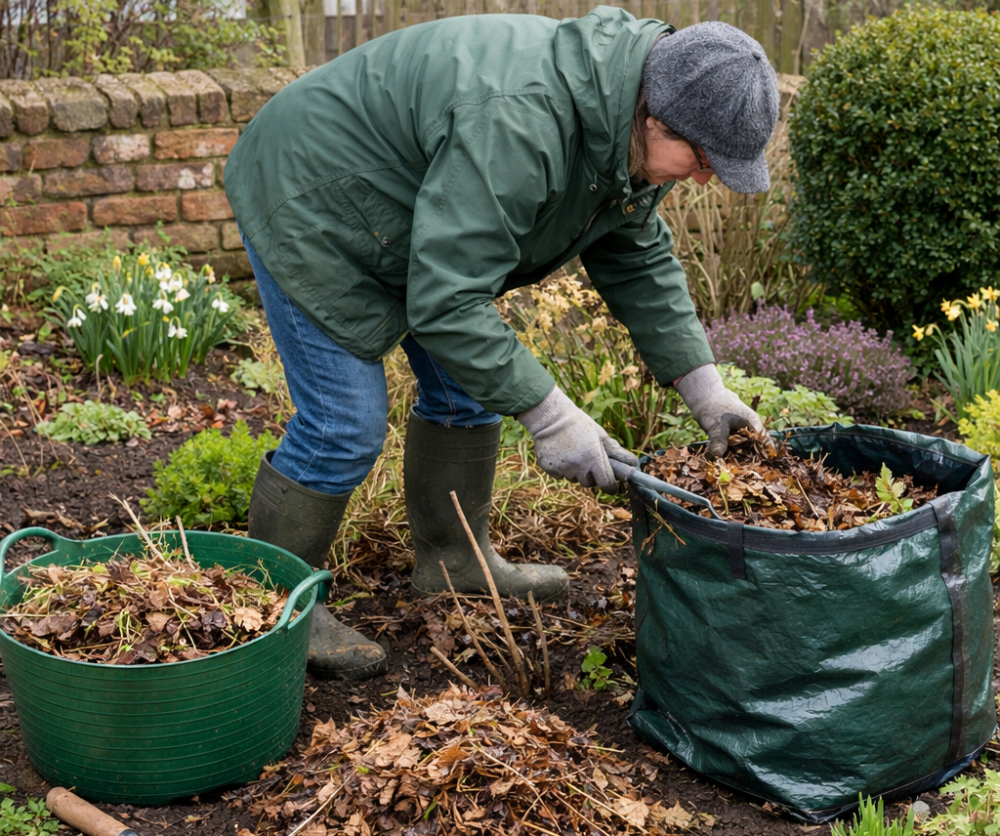
Start by clearing away any debris, including:
- Dead plants
- Fallen leaves
- Debris from the garden
This step reduces overwintering pest populations and limits diseases in your spring garden. Be sure to focus on beds and borders, as well as flower beds, where hidden material often accumulates.
Improve Soil Structure with Compost and Organic Matter
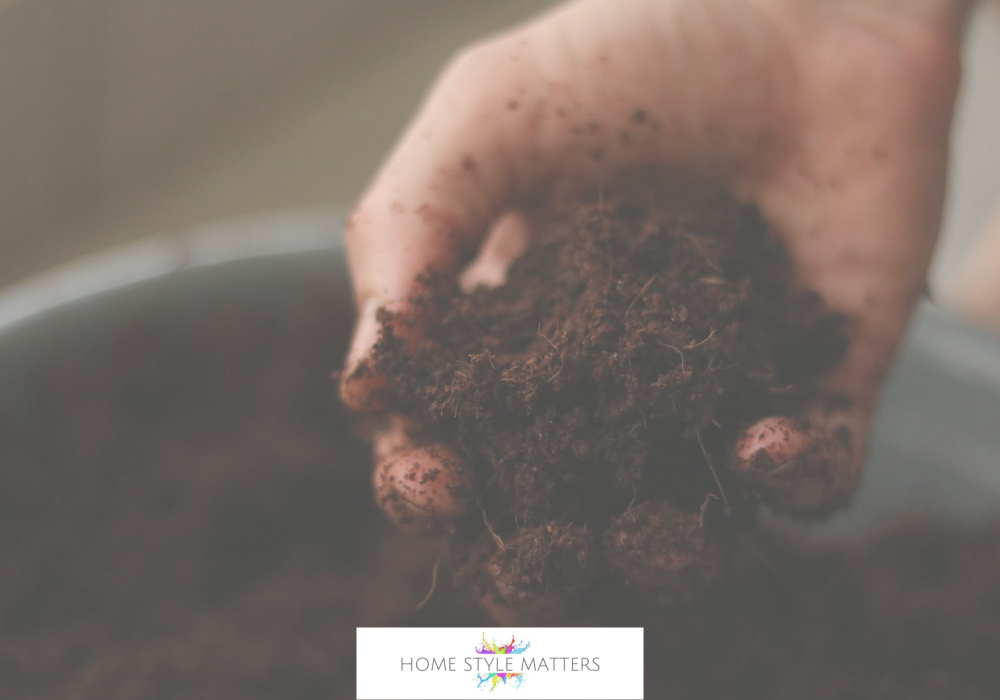
Healthy soil is the foundation of a thriving garden. Add compost or well-rotted manure to improve fertility and drainage. This layer of organic matter feeds beneficial bacteria and fungi, helping to enrich the soil structure naturally.
Aim to:
- Incorporate organic matter gently
- Use compost that is dark and crumbly
- Avoid fresh material that can damage seedlings
This step is essential for improving the soil in your garden long-term.
Mulch and Manure for Long-Term Garden Soil Health
Once the soil is prepared, apply a layer of protection.
- Use mulch to regulate moisture
- A layer of mulch helps suppress weed growth
- Apply a layer of mulch after feeding the soil
A single application of well-rotted manure enriches the garden soil while allowing nutrients time to be absorbed before planting.
Prune Shrubs and Tidy Flower Beds
February is ideal to prune dormant plants.
- Prune damaged or crossing branches
- Shape each shrub to encourage airflow
- Remove growth-damaged shrubs
Tidying flower beds now prevents competition for nutrients later and keeps the garden neat as the spring growing season approaches.
Remove Any Weeds Before They Take Hold
Early action keeps weed pressure low.
- Remove any weeds while the roots are shallow
- Target borders, paths, and raised garden beds
- Prevent seed spread before late spring
This makes ongoing garden maintenance far easier throughout the year.
Seedlings, Seed Trays, and Seeds Indoors
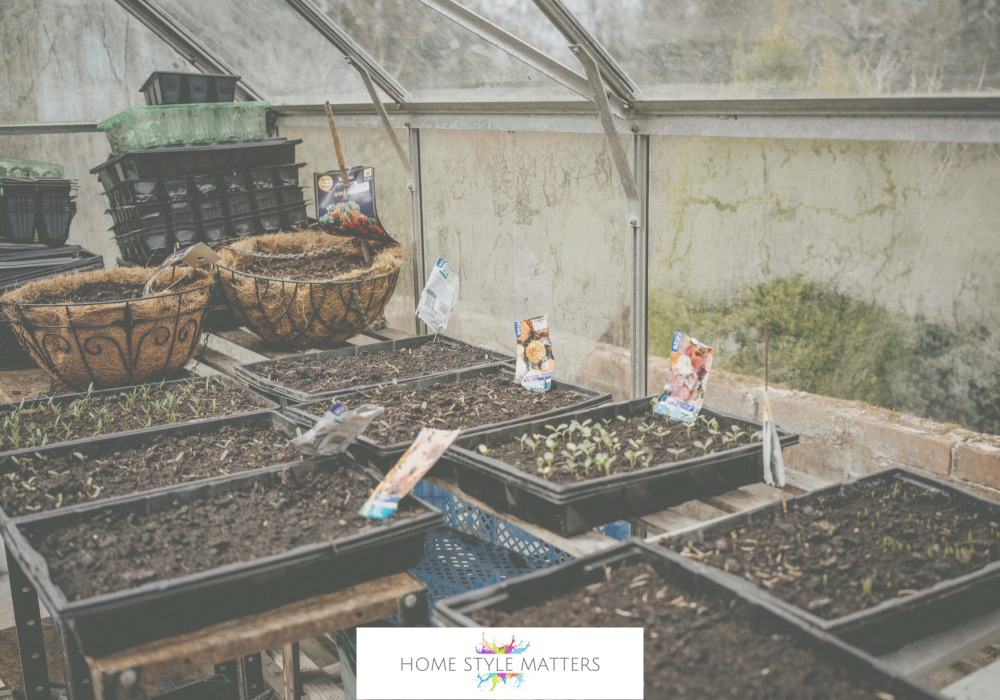
While outdoor sowing may still be limited, now is the time to prepare. Start seeds indoors using seed trays to raise strong plants for later transplanting. This supports early planting and growing success. Indoor starts allow you to begin planting earlier without risking frost damage.
Vegetable Garden Planning and Raised Beds
A productive vegetable garden starts with planning.
- Prepare beds for planting
- Consider raised beds for improved drainage
- Raised garden beds warm faster in spring
Plan crop rotation, spacing, and companion planting to support healthy vegetables and herbs throughout the growing season.
Sow, Plant Seeds, and Start Planting at the Right Time
As temperatures rise and the soil warms, you can:
- Sow hardy crops outdoors
- Sow seeds once conditions are stable
- Plant seeds carefully according to the packet guidance
Knowing when to sow and when to wait ensures a successful spring and reduces crop loss.
Essential Expert Tips
Use a home testing kit to check pH levels and adjust nutrients early. Clean and sharpen garden tools, ensuring they are ready for active work.
These essential tips help ensure:
- Your garden is ready for action
- Beds are ready for spring
- Plants enter the growing season strong
Conclusion
These tips show how thoughtful preparation leads to long-term success, and your garden is ready to support strong growth. When you properly prepare your garden for spring, you create the conditions for a thriving garden that performs well from planting through to harvest.