
How Stamp Duty Land Tax Can Impact Your Real Estate Investment
Table of Contents
Stamp Duty Land Tax can significantly affect Property Purchases and long-term profitability with ongoing SDLT changes, rising purchase costs, and updated government thresholds. Understanding Property Taxation rules is essential for every Investor, Buyer, and Landlord involved in property transactions. Whether you are entering the market for the first time, expanding your portfolio, or purchasing buy-to-let investments, understanding how it works can help you make informed decisions and reduce unnecessary tax liabilities.
Why Stamp Duty Land Tax Relief Matters for Every Investor

Stamp Duty Land Tax remains one of the most important costs associated with UK Property purchases. Every Buyer completing a Residential or Commercial Property acquisition must understand the applicable SDLT rate, surcharge rules, and relief opportunities before proceeding with the transaction. In England and Northern Ireland, SDLT applies when a property value exceeds the Government threshold. In Wales, a similar system, known as the Land Transaction Tax, is administered by the Welsh Revenue Authority.
The amount of tax owed depends on:
- Purchase price
- Property type
- Buyer status
- Whether the property is a second home
- Does the transaction involve additional properties
- Residency status
- Applicable Tax Relief Schemes
As changes to Regulations continue, Buyers and Property Investors must stay informed about revised SDLT rules and standard rates.
How SDLT Impacts Buyer Decisions and Property Purchases
For many Property Investors, the land tax is more than a one-time fee. It directly affects cash flow, financing, and returns on property investment. A Buyer purchasing additional Residential Properties will usually have to pay a surcharge on second homes. This surcharge increases the overall amount of tax due and can reduce profitability, especially for Buy-to-Let and Investment Properties. Because SDLT must be paid within 14 days of completion, Investors need to budget carefully before completing property transactions.
SDLT and the Property Market
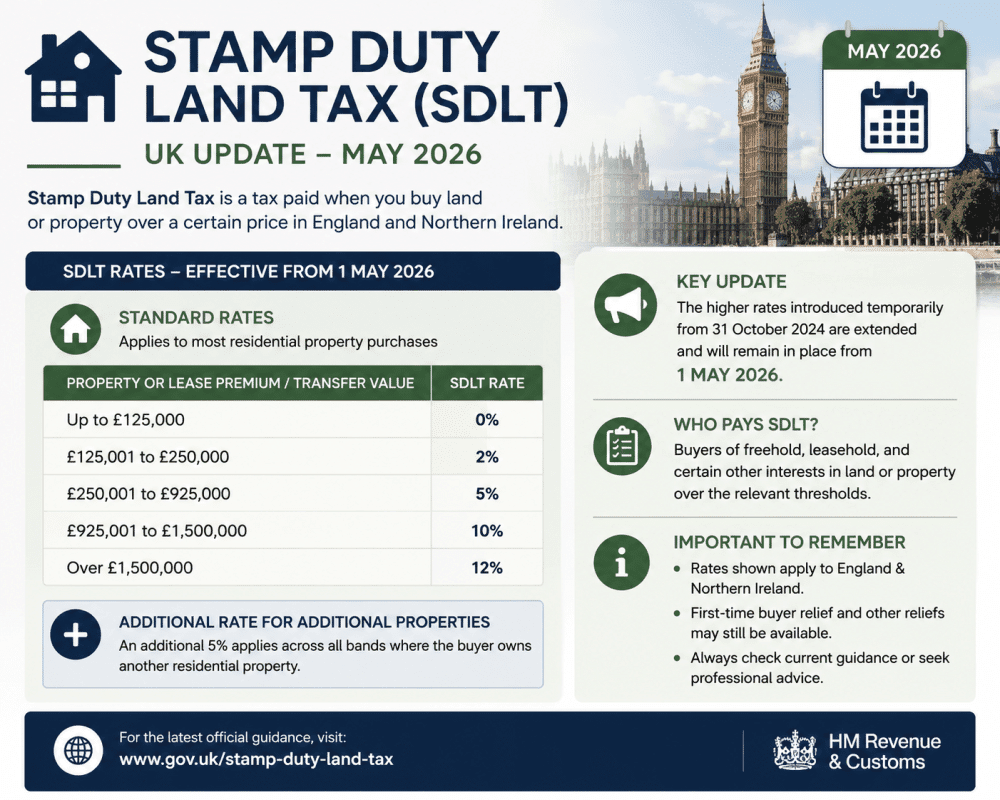
The Property Market is expected to remain highly competitive. However, SDLT changes are likely to influence how Buyers approach new Property Acquisitions and expansion of their Portfolio strategies.
Some of the most notable changes include:
- First-time Buyers
- Buy-to-Let Investments
- Additional Residential Purchases
- Mixed-Use Properties
- Residential and Commercial Acquisitions
- Commercial Property compared with Residential Purchases
These revised Regulations may affect both experienced Property Investors and those entering the market for the first time.
Investors should also remember that property exposure does not have to be limited to conventional residential or commercial purchases. There are other ways to participate in the real estate market, particularly through operational sectors where the underlying property is combined with an active business model. Exploring alternative real estate investments can give investors another perspective on portfolio diversification, with sectors such as student housing and self-storage offering different characteristics from traditional property holdings. As with any investment, these opportunities should be assessed carefully based on their structure, risks, and potential returns.
SDLT Changes Every Investor Should Understand
Several SDLT changes introduced in April 2025 are expected to affect both Residential and Commercial Properties.
These changes may include:
- Adjustments to SDLT Thresholds
- Updated Stamp Duty Rates
- Revised Surcharge Percentages
- Changes to Tax Relief Eligibility
- Alterations to Rates for Residential Property Purchases
Because rates apply differently depending on the structure of the purchase, Investors should always seek guidance from an experienced Property Solicitor before completing a transaction. A Solicitor specialising in Expert Conveyancing can help buyers understand whether lower SDLT Rates or Exemptions apply.
Stamp Duty Land Tax Relief and Opportunities

One of the most important parts of SDLT planning is understanding whether you may be eligible for relief.
First-Time Buyers Relief
First-Time Buyers may qualify for First-Time Buyer Relief if certain conditions are met. This tax relief can reduce the amount of tax due on qualifying Residential properties.
To qualify for First-Time Buyer Relief, the buyer must:
- Never have owned property previously
- Intend to use the property as a main residence
- Meet current threshold requirements
This relief helps first-time buyers entering the market manage rising purchase costs.
Multiple Dwellings Relief
For Investors purchasing multiple units in a single transaction, the Multiple Dwellings Relief may reduce the rate of Tax payable. Although reforms and revised SDLT guidance continue to evolve, some buyers may still be able to claim relief depending on the Transaction timing and Property structure.
Relief for Mixed-Use Properties
Certain Mixed-Use Properties classified as Residential and Commercial may qualify for different SDLT treatment. This can sometimes reduce the amount of tax owed compared with Standard Residential purchases.
How SDLT Affects Property Investors and Buy-to-Let Investments
Property Developers involved in Buy-to-Let investments often face higher upfront costs due to the SDLT surcharge applied to additional Residential Properties.
For example, purchasing an additional Residential Property may trigger:
- Higher Standard Rates
- An Additional Surcharge
- Increased Tax Liabilities
- More complex Conveyancing requirements
An Investor purchasing Buy-To-Let Properties should carefully review:
- Property Value
- Expected Rental Income
- Purchase Price
- SDLT Rate Calculations
- Long-term Property Investment Goals
Without proper planning, buyers can face higher acquisition costs that delay profitability.
Conveyancing and SDLT Compliance
SDLT Compliance is a critical part of the Conveyancing process. Most services include preparing and submitting the SDLT return to HM Revenue and Customs.
Your Solicitor will typically:
- Calculate the amount of tax due
- Submit the SDLT return
- Ensure SDLT rules are followed
- Confirm whether Exemptions or Relief apply
- Help claim Relief where available
Because tax return errors can lead to penalties, expert Conveyancing support is strongly recommended. Professional Conveyancing also becomes especially important when purchasing Freehold Commercial Properties, additional Residential assets, or complex Residential and Commercial developments.
Buyer Considerations Before Completing a Transaction
Before completing any transaction, buyers should evaluate how SDLT affects overall affordability.
Questions to consider include:
- Does the transaction exceed the current threshold?
- Will a surcharge apply?
- Is the Property exempt from certain SDLT charges?
- Are you eligible for a refund if you sell your previous main residence within 3 years?
- Does the purchase involve a second home?
- Are lower SDLT rates available?
A Buyer replacing a main residence may be eligible for a refund of the SDLT Surcharge if their previous home is sold within 3 years.
Land Transaction Tax and Welsh Property Purchases
In Wales, buyers pay land transaction tax rather than SDLT. Although similar, Welsh rules differ from English SDLT regulations. The Welsh Revenue Authority oversees these Property taxation requirements, and rates apply differently depending on the type of transaction and property value. Welsh Buyers involved in Property Purchases should therefore seek location-specific advice before they pay land taxes.
How Changes Impact Long-Term Property Investment
The ongoing changes impact Investor confidence, especially in a market where financing costs remain elevated. Because SDLT is a specific tax charged at the point of purchase, it can substantially affect:
- Cash Flow
- Return on Investment
- Property Investment Strategies
- Portfolio Growth
- Financing Structure
For many Investors, choosing between Residential and Commercial Property compared with alternative assets now depends heavily on revised SDLT calculations.
Why Expert Conveyancing and Tax Advice Matter
With revised SDLT rules in effect since April 2025, buyers should work closely with both a Solicitor and a Tax Specialist before completing property transactions. Because Rates and Government policy can change quickly, Professional advice remains essential for anyone looking to purchase a new property or continue expanding their portfolio.
Conclusion
Stamp Duty Land Tax remains one of the most significant costs affecting UK property purchases. As Stamp Duty changes continue to shape the Property market, working with expert Conveyancing Professionals and Tax Advisers can help buyers pay stamp duty correctly, remain compliant with HMRC requirements, and make smarter long-term investment decisions.