When Is the Best Time to Plant Spring Bulbs? A UK Guide
Table of Contents
If you want a colourful garden when winter finally fades, knowing the best time to plant spring bulbs can make all the difference. Planting bulbs at the right time gives them the chance to establish their roots before winter and prepare for a beautiful display when spring arrives. Whether you are planting daffodils, tulips, crocuses or hyacinths, this guide explains when to plant spring-flowering bulbs, how deep they need to go and how to give them the best possible start.
When Is the Best Time to Plant Spring Bulbs?
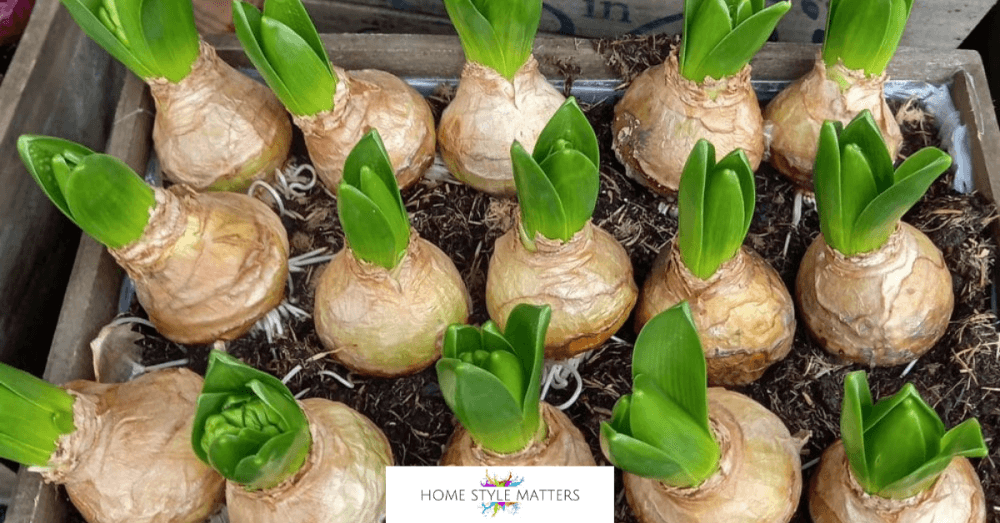
For most spring-flowering bulbs, the best time to plant is during autumn. September and October are ideal for many varieties, giving the bulbs time to establish before the colder winter months arrive. Tulips are the main exception and are generally better planted later in autumn.
The exact planting time depends on the variety:
- Daffodils – ideally plant in early autumn, particularly September.
- Crocuses – plant spring-flowering crocuses in autumn, preferably by the end of September.
- Tulips – although dry bulbs can be planted from September onwards, November is generally considered the ideal time.
- Hyacinths – plant in autumn, preferably by the end of September, for flowers the following spring.
- Snowdrops and winter aconites – dry bulbs can be planted in autumn, although they are also often planted “in the green” after flowering.
For a quick guide, here are the usual planting times for some of the most popular spring-flowering bulbs in UK gardens.
| Spring bulb | Best planting time | Typical flowering period |
|---|---|---|
| Daffodils | September | Late winter to spring |
| Crocuses | September–November | Late winter to early spring |
| Hyacinths | September–October | Early to mid-spring |
| Tulips | November | Mid to late spring |
| Snowdrops | Autumn, or “in the green” after flowering | Late winter to early spring |
| Winter aconites | Autumn, or “in the green” | Late winter to early spring |
Why Plant Spring-Flowering Bulbs in Autumn?
Whatever variety you choose, try to plant healthy bulbs as soon as reasonably possible after buying them rather than leaving them in storage for too long.
It might seem strange to plant bulbs several months before you expect to see any flowers, but the cooler autumn months give them time to settle into the soil and develop roots before winter. During this time, the bulbs remain relatively dormant above ground while preparing for their spring display.
As temperatures begin to rise, new shoots emerge and growth gets underway. By planting in autumn, you are effectively doing some of the preparation months in advance, ready for those first welcome signs of colour after winter.
If you are deciding what to grow this year, take a look at our guide to the best bulbs to plant now for a beautiful spring garden for more inspiration.
Which Spring-Flowering Bulbs Should You Plant?
There are many different spring-flowering bulbs to choose from, allowing you to bring colour into the garden from late winter right through to late spring. Choosing a mixture of varieties with different flowering times can help to create a succession of colour rather than one short burst of flowers.
Daffodils
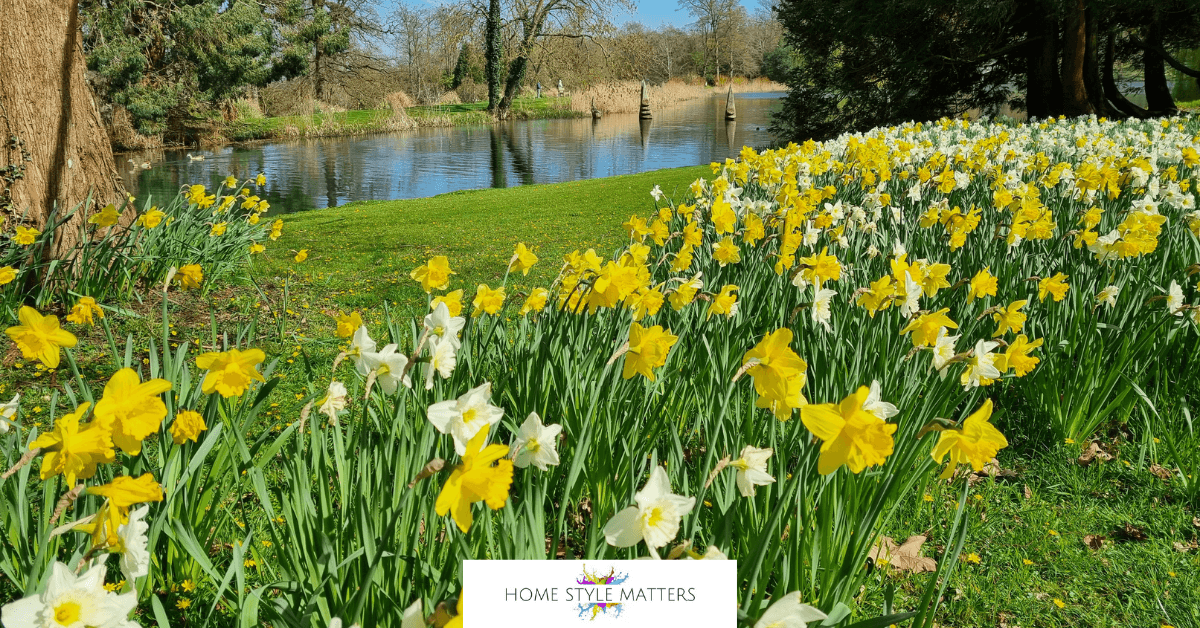
The cheerful daffodil is one of the most reliable choices for UK gardens and always feels like a welcome sign that spring is on its way. They can be grown in borders, lawns and containers, while choosing different varieties can provide flowers from late winter well into spring. Daffodils grow well in sun or partial shade and are particularly effective planted in groups for a stronger display.
Crocuses
Crocuses are smaller than many other spring-flowering bulbs but can provide an impressive early display, sometimes appearing when there is very little other colour in the garden. They look particularly effective when planted in groups and can be grown in borders, rock gardens, containers and lawns. Crocuses are also a lovely choice if you want a more natural-looking display through grass.
Tulips
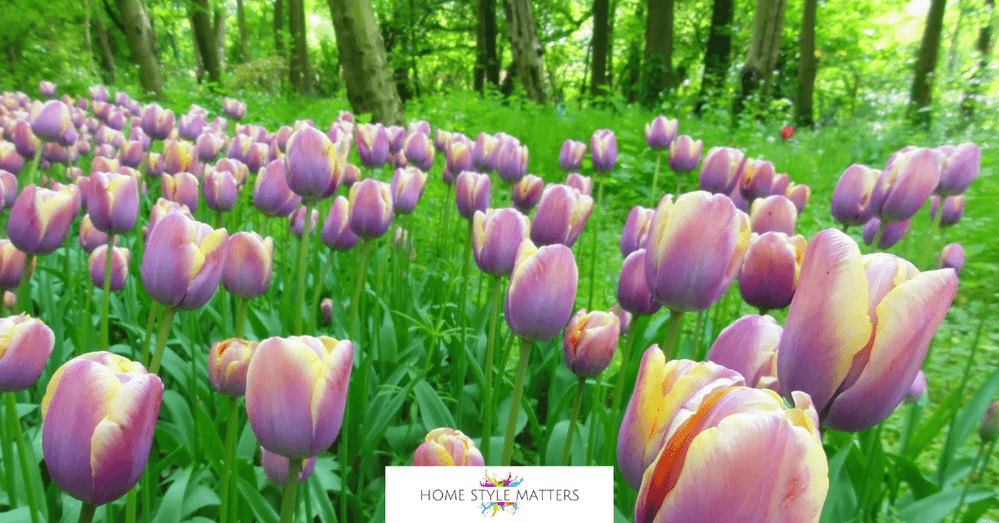
Tulips are among the most popular choices for spring colour and come in an enormous range of colours, shapes and sizes. They are particularly useful for adding bold colour to borders and containers and generally prefer a sunny position with well-drained soil. Many varieties flower from mid to late spring, making them a good choice for continuing the display after some of the earlier spring bulbs have finished flowering.
Hyacinths
Hyacinths are a lovely choice if you want both colour and fragrance in the spring garden. Their densely packed flower spikes work well in borders and containers, and they are available in shades including pink, purple, blue and white. Planting them near a path, doorway or seating area means you can enjoy their fragrance as you pass.
How Deep to Plant Spring Bulbs
One ofAs a general rule, spring bulbs should be planted at a depth of around two to three times the height of the bulb. For example, a bulb measuring 5cm from base to tip would usually be planted approximately 10–15cm deep. Smaller bulbs therefore tend to sit closer to the surface than larger varieties. Always check the instructions supplied with your particular bulbs, as the recommended planting depth can vary.
Use a trowel or bulb planter to make the hole and loosen any compacted soil so that the roots can establish easily. Then:
- Place the bulb in the hole with the growing tip facing upwards and the flatter root end at the bottom.
- Leave enough space between bulbs for the variety you are planting.
- Cover with soil and gently firm the surface.
- Water after planting if the soil is dry.
If you are unsure which way up a bulb should go, don’t worry too much. Planting it on its side is generally better than risking putting it completely upside down, as the new growth can usually find its way towards the surface.
Where Should You Plant Spring Bulbs?
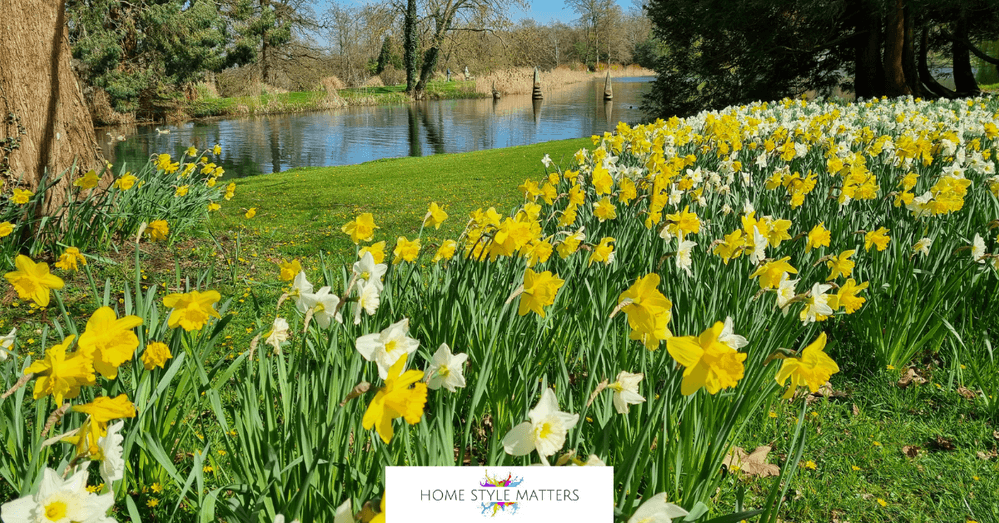
Most spring-flowering bulbs grow well in a sunny position with free-draining soil, although some varieties are perfectly happy in partial or dappled shade. Good drainage is particularly important because bulbs sitting in cold, waterlogged soil are more likely to rot. Always check the requirements of the variety you are planting before choosing its position.
Depending on the variety, spring bulbs can be planted in:
- Flower borders
- Raised beds
- Rock gardens
- Lawns and grassy areas
- Containers and patio pots
- Beneath deciduous trees and shrubs
Think about how the garden will look when the flowers appear rather than simply filling individual gaps. Groups or drifts of the same variety generally create a stronger visual impact than single bulbs scattered across a large border.
For a more natural-looking display, bulbs planted through grass can look particularly effective. Crocuses and daffodils are both good choices, while planting beneath deciduous trees can also work well because many spring bulbs flower before the tree canopy becomes dense enough to block much of the light.
Planting Spring Bulbs in Pots
Planting spring bulbs in pots is an excellent option if you have limited garden space or simply want to brighten a patio, balcony or entrance. Choose a container with plenty of drainage holes and use a good-quality peat-free compost. Raising pots slightly on pot feet can also help excess water drain away during wet winter weather.
Bulbs grown in containers can usually be planted at around two to three times their own depth, although it is always worth checking the instructions for the variety you have chosen. They can also be planted closer together than bulbs in the ground, provided they are not touching.
For an even longer display, try layering different bulbs in the same container, sometimes known as a bulb lasagne. Place larger, later-flowering bulbs such as tulips towards the bottom, add another layer of compost and position smaller, earlier-flowering bulbs such as crocuses nearer the top. The different varieties will then grow and flower at different times, giving you a succession of spring colour from one pot.
What About Planting Bulbs in Lawns?
Planting spring bulbs in a lawn can create a wonderfully natural display, particularly when they are planted in informal groups or drifts rather than neat rows. Daffodils and crocuses are both good choices and can gradually create a more established look as they return each spring.
Use a trowel or bulb planter to make individual holes, or lift small sections of turf if you are planting several bulbs together. Once the bulbs are in place, carefully replace the soil and turf so that the lawn looks relatively undisturbed.
After flowering, resist the temptation to mow the area straight away. The leaves need time to absorb sunlight and return energy to the bulbs for the following year’s flowers. Allow the foliage to die back naturally and wait until it has turned yellow before mowing that part of the lawn again.
Caring for Your Bulbs After Planting
Once your spring bulbs are planted, they generally need very little attention until growth begins. If the autumn weather is particularly dry, water them after planting, but bulbs growing in the ground will usually receive enough moisture naturally during the cooler months.
When shoots begin to appear, keep the surrounding area reasonably free from weeds so that the new growth is not competing for light and nutrients. Bulbs growing in containers may need a little more attention, particularly during dry spells, as compost in pots can dry out more quickly than garden soil.
After flowering, remove faded flowers where appropriate but leave the foliage in place. It can be tempting to cut untidy leaves back, but allowing them to die down naturally gives the bulb time to store energy for next year’s flowers. Once the leaves have yellowed and died back, they can be removed.
Can You Plant Spring Bulbs in Spring?
You can plant spring-flowering bulbs in spring, but for most dry bulbs it is not the ideal time. Bulbs such as daffodils, crocuses, tulips and hyacinths are normally planted during autumn so they have the cold period and growing time they need before flowering.
If you missed the autumn planting season, however, you don’t necessarily have to wait another year. Garden centres often sell spring bulbs already growing in pots. These can be planted into borders or containers and are an easy way to add seasonal colour to the garden straight away.
If you discover unplanted dry bulbs that are still firm and healthy, it can also be worth planting them rather than throwing them away. They may not flower as well in their first year, particularly if they have already begun to sprout, but they still have a chance to establish for the future.
What Happens If You Plant Bulbs Too Late?
If you have forgotten to plant your spring bulbs at the ideal time, don’t panic. In many cases, planting them late is better than leaving them sitting in their packaging until the following year. As long as the bulbs are still firm and healthy and the ground is workable, they are usually worth planting.
Late-planted bulbs have less time to establish their roots before winter, so flowering may be later or less impressive during their first season. Check each bulb before planting and discard any that are soft, badly damaged or showing obvious signs of rot.
Avoid planting into frozen or waterlogged ground. If conditions are unsuitable, wait for a milder, drier spell when the soil is easier to work. Alternatively, healthy bulbs can be planted into containers if your garden soil remains particularly wet.
Even if the first year’s display isn’t quite what you hoped for, allowing healthy perennial bulbs to establish can still reward you with flowers in future years.
Simple Spring Bulb Planting Checklist
Before planting your spring bulbs, run through this simple checklist:
- Choose bulbs that feel firm and healthy, with no obvious signs of rot or damage.
- Check the recommended planting time for the particular variety.
- Choose a position with the right amount of sun or shade.
- Make sure the soil or compost drains freely.
- Plant at the recommended depth, usually around two to three times the height of the bulb.
- Position the growing tip upwards where it is easy to identify.
- Leave enough space between bulbs for the variety you are growing.
- Water after planting if the soil is dry.
- Check containers occasionally during very wet or dry weather.
- After flowering, allow the foliage to yellow and die back naturally before removing it.
Once your bulbs are safely in the ground, you can start thinking about the rest of the season ahead. Our guide to preparing your garden for spring has more ideas for getting your outdoor space ready for the warmer months.
Plant Now for a Colourful Spring Garden
Planting spring bulbs is one of those autumn gardening jobs where a little effort now can bring plenty of rewards several months later. Choose healthy bulbs, plant them at the right time and depth, and make sure they have the conditions they need to establish.
Then, as winter begins to fade, you can look forward to the first crocuses and daffodils appearing, followed by tulips, hyacinths and other spring favourites. With a mixture of bulbs and flowering times, it is possible to enjoy a succession of colour throughout spring – and many varieties will return to brighten the garden year after year.