
Energy Scams in the UK: How to Spot, Avoid and Report Them
Table of Contents
Energy scams are becoming increasingly convincing, with fraudsters pretending to be energy suppliers, Ofgem representatives or trusted home improvement companies to steal money or personal information.
From fake energy refunds and suspicious text messages to doorstep callers offering insulation or heating upgrades, these scams can target anyone.
Knowing how to spot the warning signs can help you protect your money, personal information and home. In this guide, we’ll explain the common types of energy scams in the UK, how to check whether an offer is genuine and what to do if you suspect fraud.
How to Spot an Energy Scam: 10 Warning Signs
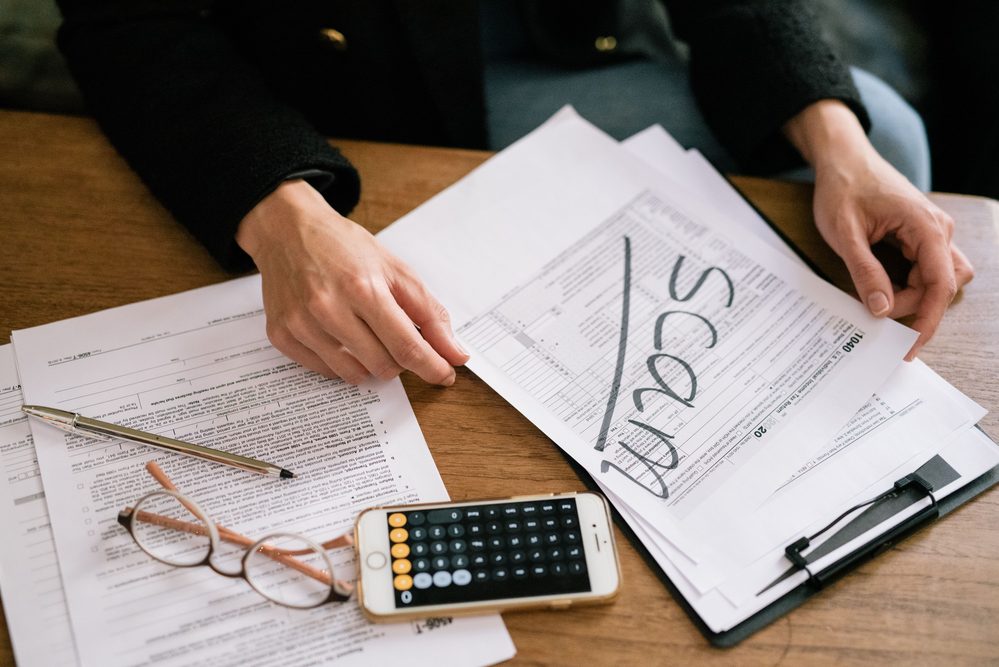
The best way to spot a scam is to understand the warning signs before responding.
A scammer might:
- Contact you unexpectedly.
- Claim you are entitled to an Energy refund.
- Offer an unusually cheap Energy deal.
- Say you must act immediately.
- Ask for personal information.
- Request your Bank details.
- Ask you to transfer money in an unusual way.
- Send a suspicious link by email or text.
- Claim your Energy supply will be disconnected unless you pay immediately.
- Offer to make your home more energy efficient without you requesting the work.
Energy Saving Trust advises that an unexpected approach, a deal that seems good to be true, pressure to transfer money quickly or requests for passwords or PINs can all be warning signs. Taking a few minutes to check the situation can help stop the scammers before they succeed.
Energy Scam Checklist: Before You Respond
Before responding to an unexpected energy message or caller, ask yourself:
Did I expect this contact? If not, stop and check.
Are they asking for personal information or money? If so, don’t provide anything until you’ve verified who they are.
Does the offer sound too good to be true? It may be a scam.
Am I being pressured to act straight away? A legitimate company should allow you time to check the information.
Can I contact the organisation independently? Use a genuine website, bill or other trusted source rather than the contact details supplied by the caller.
Have I already shared information or made a payment? Talk to your bank immediately and report the incident.
Energy Scam Calls and Doorstep Fraud
Telephone calls: Telephone calls are a common way that fraudsters may try to contact you. The caller might say they represent your energy supplier or another company connected with your home. They may claim there is an issue with your energy account, that you have overpaid or that you need to change your payment details. Don’t allow an unexpected phone call to rush you into making a decision. If you are unsure, end the call and contact your supplier independently using the telephone number on a recent bill or its official website.
Cold calling: Cold calling is also particularly important when considering energy efficiency work. Energy Saving Trust states that it does not cold call householders to sell energy-saving goods or services and does not doorstep or sell directly to householders. If somebody contacts you unexpectedly about insulation, solar panels, heating or another home improvement, take time to research the company before agreeing to anything.
Fake Ofgem Calls, Emails and Energy Refund Scams
Some scammers may pretend to be Ofgem, the UK’s energy regulator. This type of fraud can be particularly convincing because Ofgem is a genuine and well-known organisation. A fraudster may claim that you are entitled to energy support, a refund or a support scheme, and ask you to provide personal information or bank details. Ofgem states clearly that it will never sell you energy, ask for personal information or personal bank details, or come to your property. If someone contacts you pretending to represent the supplier, don’t provide information or make a payment. End the conversation and verify the situation independently. Ofgem’s consumer guidance specifically advises households to avoid and report energy scams, with Action Fraud available for reporting fraud in England, Wales and Northern Ireland.
If you’re looking for genuine ways to reduce household costs, our guide to boosting home comfort and cutting energy bills this winter shares practical ideas worth considering.
Energy Efficiency Scams and Fake Home Improvement Offers
Improving energy efficiency can be a sensible way to make your home more energy efficient, potentially improve comfort and reduce energy use. Unfortunately, genuine interest in energy-saving improvements can also give a scammer an opportunity. A fraudster might claim that your property urgently needs insulation, a new heating system, solar panels or another improvement. They may suggest that a government scheme is available but that you must pay immediately to qualify. Energy Saving Trust recommends taking care when dealing with cold callers and rogue traders. If you want to improve your home, research installers yourself rather than automatically accepting an offer from someone who contacts you. Citizens Advice recommends looking for appropriate accreditation, including MCS or TrustMark where relevant, and getting several quotes before committing to energy-efficiency work. In other words, making your home more energy efficient should be planned carefully rather than rushed because of an unexpected sales approach.
Before agreeing to any work, it’s worth understanding which improvements could genuinely benefit your property. Our guide to home energy efficiency explores ways to reduce energy use and make your home more sustainable.
How to Protect Yourself from Energy Scams
There are several simple steps that can help protect yourself from Energy scams.
Don’t give out personal information
Never automatically provide passwords, PINs, bank details or other personal details to an unexpected caller. Citizens Advice advises consumers not to provide personal information or bank details if they suspect something is a scam and not to use contact details supplied by the suspicious contact.
Check the email
If you receive an unexpected email, check the email address carefully. Look for unusual spellings, strange website addresses or wording that doesn’t look professional. Don’t click links simply because the message appears to come from an energy company. Instead, visit the organisation’s official website independently.
Be cautious with scam texts
Scam texts may claim you are owed money, have an unpaid energy bill or need to update your account. Don’t click an unexpected link or enter personal information. Suspicious text messages can be reported by forwarding them to 7726, which helps mobile network providers investigate unwanted messages.
Take care with doorstep approaches
A doorstep visitor may claim to represent an energy company or offer a home improvement service. You don’t have to let an unexpected caller into your home. If you want to consider their offer, ask for information that you can verify independently and take time to make sure the business is legitimate. Energy Saving Trust advises householders not to accept business from people who approach them on the doorstep and recommends researching installers independently.
Fake Energy Grants and Government Support Scams
Households may be searching for legitimate energy support, grants and ways to reduce the cost of running their homes. This can make energy scams particularly effective. A scammer might use genuine terms such as energy efficiency, grants or government support schemes to appear convincing. They may try to trick you into paying a registration fee or handing over your personal information. Remember that a genuine support scheme should be independently verifiable. If you are struggling to pay your energy bills, contact your energy supplier or Citizens Advice rather than responding to an unexpected offer of help. Don’t assume that every message mentioning energy support is genuine.
What to Do If You Suspect an Energy Scam
If you think you’ve spotted a scam, don’t panic. Stop communicating with the person or organisation and don’t provide any further information. If you spotted a scam but haven’t yet given any information or made a payment, you are already in a much safer position. Don’t respond, don’t click suspicious links and don’t continue the conversation. You can report energy scams to the appropriate organisation so that others may be warned. If you think it’s a scam, keep any relevant emails, messages or other evidence where possible.
How to Report Energy Scams in the UK
If you believe you’ve encountered an energy scam, reporting it can help authorities investigate fraud and protect other households from becoming victims.
In England, Wales and Northern Ireland, you can report suspected fraud to Report Fraud, the national police reporting service that replaced Action Fraud in December 2025.
- Website: https://www.reportfraud.police.uk/
- Telephone: 0300 123 2040
In Scotland, contact Police Scotland on 101 to report fraud. If you feel threatened or are in immediate danger, call 999.
You can also report suspicious communications through the following channels:
- Scam text messages: Forward suspicious texts to 7726.
- Phishing emails: Forward suspicious emails to [email protected].
- Fake Ofgem communications: Contact Ofgem directly using its official website.
If you’ve already transferred money or shared banking information, contact your bank immediately rather than waiting until you’ve submitted a fraud report.
Keep copies of suspicious messages, emails and payment information where possible, as these may help with an investigation.
What to Do If You’ve Fallen Victim to an Energy Scam
If you’ve fallen for a scam, don’t be embarrassed. Scammers can be extremely convincing, and anyone can be targeted. If you’ve handed over any financial information, bank details or money or personal information, contact your bank or card company immediately. If you have made a payment, explain exactly what happened and ask what action can be taken to protect your account. You should also report a scam to Action Fraud where appropriate. If you have given away passwords, change them immediately and avoid using the same password on other accounts. If you have provided personal details, keep an eye out for further suspicious communications. A scammer might use the information they already have to make another attempt.
Useful UK Organisations for Energy Scam Advice
- Action Fraud: 0300 123 2040 for reporting fraud in England, Wales and Northern Ireland.
- Ofgem: Use its official consumer guidance if you are concerned about an energy-related approach.
- Citizens Advice: Contact Citizens Advice if you need independent consumer or energy advice.
- Energy Saving Trust: Use its independent guidance when researching energy efficiency and home improvements.
For the latest information, always use the official websites and contact details of these organisations rather than links supplied in an unexpected message. Ofgem’s current guidance confirms the Action Fraud reporting route an
Final Thoughts: Stay Safe from Energy Scams
Energy scams often work because the scammer creates urgency or uses something genuine, such as energy bills, energy efficiency or government support, to appear trustworthy. Take your time, verify unexpected approaches and never be afraid to say no. If you think you’ve encountered fraud, report energy scams rather than ignoring them. Sharing concerns with the appropriate reporting centre can help protect other people and make it harder for scammers to succeed. The safest approach is simple: stop, check and verify before you act.