
November Garden Jobs: Essential Tasks Before Winter
Table of Contents
November might signal the end of the traditional gardening season, but there is still plenty to do outdoors before winter properly takes hold. For gardening enthusiasts, it is also an opportunity to get ahead for next spring. Planting bulbs, adding bare-root trees and shrubs, clearing fallen leaves and improving the soil now can make a noticeable difference when the garden begins to wake up again. Whether you have a large garden, a compact outdoor space, an allotment or simply a few pots on the patio, our November garden to-do list highlights some worthwhile jobs to tackle before the cNovember Garden Jobs: Essential Tasks Before Winter
November might signal the end of the traditional gardening season, but that doesn’t mean it’s time to put away your gardening gloves just yet. There is still plenty to do outdoors before winter properly takes hold, and spending a little time in the garden now can make a surprising difference when spring comes around.
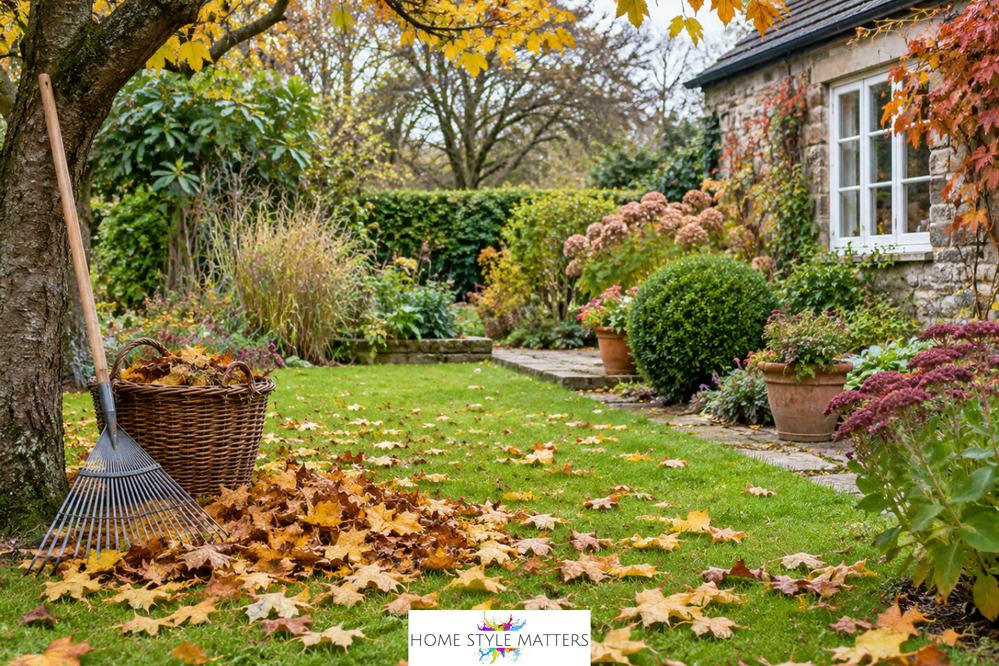
Although the days are shorter and the temperatures are dropping, November is actually one of the most useful months for getting ahead. From planting spring-flowering bulbs and bare-root roses to protecting tender plants and looking after garden wildlife, there are lots of worthwhile jobs to tackle.
Whether you’re lucky enough to have a large garden, enjoy growing vegetables on an allotment or simply have a few pots on your patio, these essential November garden jobs will help you prepare your outdoor space for the colder months ahead.
1. November Garden Jobs: Clear Fallen Leaves and Make Your Own Leaf Mould
There is something rather lovely about seeing autumn leaves scattered across the garden, especially when they turn those beautiful shades of gold, orange and red. However, while a few leaves won’t do any harm, allowing thick layers to build up on your lawn can prevent light and air from reaching the grass underneath.
Wet leaves can also make patios, garden steps and pathways surprisingly slippery, so it’s worth keeping these areas clear. While you’re outside, take a few minutes to check outdoor drains and gutters too, particularly if you have trees nearby.
Before you throw all those collected leaves into your garden waste bin, consider putting them to good use by making your own leaf mould. It’s one of the easiest ways to create a natural soil conditioner, and it costs absolutely nothing.
Simply collect fallen leaves into a dedicated leaf bin or a strong garden bag with a few ventilation holes. Keep the leaves damp and allow them to break down naturally. Depending on the types of leaves and conditions, this can take a year or two, but the resulting crumbly material is wonderful for improving soil structure and mulching around plants.
You don’t need to remove every leaf from the garden, either. Leaving some beneath shrubs and in quieter corners provides valuable shelter for insects and other wildlife throughout winter.
2. Plant Spring-Flowering Bulbs for a Colourful Display
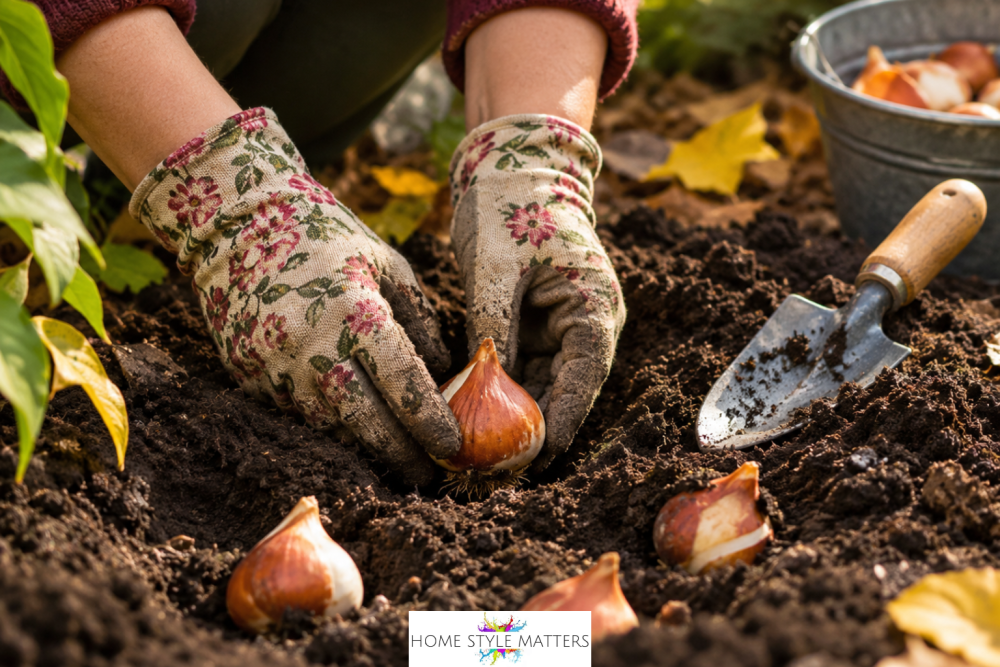
It might seem strange to think about spring when winter hasn’t even arrived, but November is a brilliant time to plan ahead for those first welcome splashes of colour.
Tulips are particularly well suited to November planting, as the cooler soil conditions can help reduce the risk of certain fungal diseases. With so many colours and varieties available, you can create anything from a bold, dramatic display to something soft and delicate.
If you have already bought daffodils, crocuses or alliums and haven’t managed to plant them yet, don’t automatically assume you’ve missed your chance. Although many spring-flowering bulbs are ideally planted earlier in autumn, healthy bulbs can often still be planted in November, provided the ground isn’t frozen or waterlogged.
When planting, follow the instructions on the packaging for the correct depth and spacing. As a general guide, many bulbs are planted at approximately two to three times their own height, with the pointed end facing upwards.
You don’t need a large garden to enjoy spring bulbs, either. A few containers filled with tulips can look absolutely beautiful beside a front door or on a patio. Just make sure your pots have adequate drainage so the bulbs aren’t sitting in water throughout winter.
Snowdrops are another lovely addition to a garden, although they often establish more reliably when planted in the green after flowering rather than as dry bulbs in autumn.
The Royal Horticultural Society also recommends November for planting tulips, making it a particularly useful job to tackle before winter arrives.
3. Protect Tender Plants From Frost and Cold Weather
British weather can be unpredictable at the best of times, and November often brings the first proper frosts to many gardens. One day can feel surprisingly mild, while the next morning everything is covered in a sparkling layer of frost.
Although plenty of established garden plants are perfectly capable of surviving winter outdoors, more tender varieties may need a helping hand.
If you have delicate plants growing in containers, consider moving them somewhere more sheltered, such as a greenhouse, conservatory or frost-free porch. Plants that need light should still be kept somewhere bright enough for their requirements.
Larger plants that cannot easily be moved can sometimes be protected with horticultural fleece during particularly cold spells. Raising pots onto pot feet is another simple precaution, helping excess rainwater drain away and reducing the risk of waterlogging.
Dahlias, cannas and tuberous begonias may need additional protection, depending on where you live and how sheltered your garden is. In colder areas, gardeners often lift and store their tubers or rhizomes after frost has damaged the foliage, keeping them somewhere suitable and frost-free until spring.
It’s worth remembering that not every plant needs wrapping or moving. Hardy perennials and established shrubs are generally adapted to typical British winter conditions, and unnecessary protection can sometimes cause more problems than it solves.
4. Plant Bare-Root Trees, Roses and Shrubs
If you’ve been thinking about introducing a new rose bush, planting a hedge or adding a fruit tree to your garden, November is an excellent time to start looking at bare-root plants.
Unlike plants sold in containers, bare-root plants are supplied during their dormant season without a pot or surrounding compost. They are often considerably cheaper than their container-grown equivalents, particularly if you’re planning to plant several trees or a longer stretch of hedging.
They also tend to involve less plastic packaging, which is a welcome bonus if you’re trying to make your gardening habits a little more environmentally friendly.
Before planting, choose a suitable position and prepare the soil so the roots can spread naturally. Keep bare roots protected from drying out, and follow the planting guidance for the particular species. Most should be planted at their previous soil level, while grafted plants may have additional requirements.
Once planted, gently firm the soil around the roots and water thoroughly to settle everything into place. Newly planted trees may also need suitable support while they establish.
The important thing is to avoid planting when the soil is frozen or waterlogged. If the weather turns particularly unpleasant, it’s better to keep your plants safely protected and wait for more suitable conditions.
5. Tidy Your Flower Beds Without Being Too Tidy
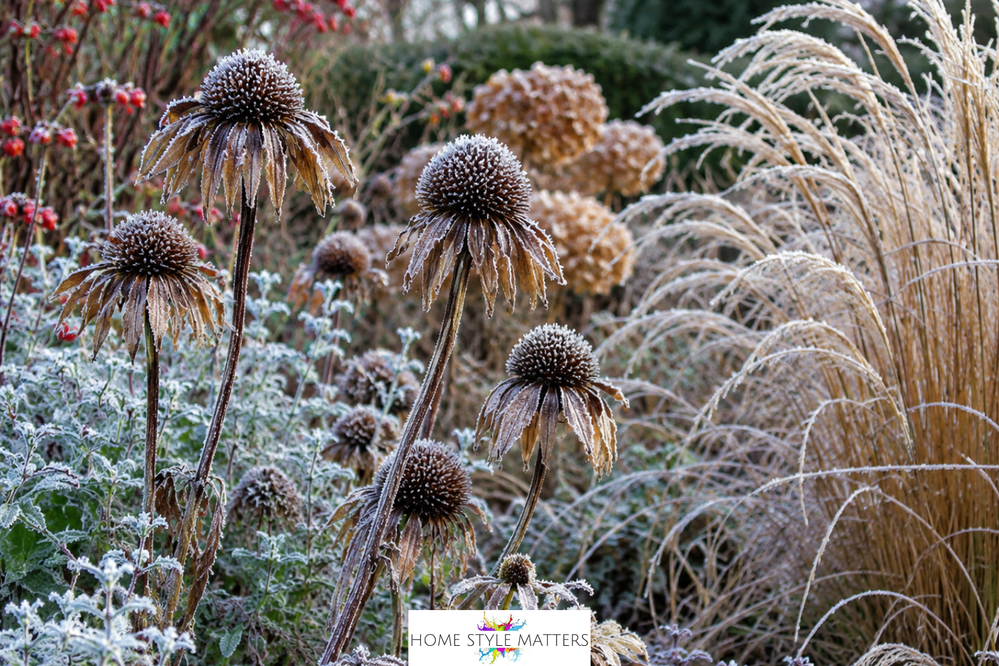
There is always a temptation to give the garden a really thorough clear-out before winter, cutting everything back and leaving the borders looking neat and organised. However, a slightly untidy garden can actually be a wonderful thing for wildlife.
Those faded flower heads, hollow stems and ornamental grasses that might look past their best can provide food and shelter for birds and insects during the colder months.
Rather than cutting everything down, try taking a more selective approach. Remove any obviously diseased plant material, tackle persistent weeds and cut back plants that have collapsed across pathways, but consider leaving healthy seed heads and standing stems until spring.
Plants such as echinacea, rudbeckia and many ornamental grasses can also look beautiful when covered in frost, adding a little structure and interest to an otherwise quiet winter garden.
November can also be a useful time to improve your soil. Adding a layer of well-rotted compost or other suitable organic matter around established plants can help improve soil structure over time.
Just remember to keep mulch away from the stems and crowns of plants that might be vulnerable to rotting in damp conditions.
If you’d like to encourage more visitors into your outdoor space, our guide to bringing wildlife into your garden has some lovely ideas for creating a welcoming environment throughout the year.
6. Give Garden Birds and Wildlife a Helping Hand
As the weather becomes colder and natural food sources start to diminish, garden wildlife can benefit from a little extra consideration.
Bird feeders are a lovely way to encourage visitors into your outdoor space, especially during the winter months when food can become harder to find. However, keeping feeders clean is just as important as keeping them stocked, as poorly maintained feeding areas can contribute to the spread of disease.
Fresh water is another valuable resource. A shallow bird bath can provide somewhere for birds to drink and bathe, although you’ll need to check it regularly during freezing weather.
If you have a quieter corner of the garden, consider leaving it relatively undisturbed. A small pile of logs, some fallen leaves beneath shrubs or a patch of standing stems can provide useful shelter for insects and other creatures.
Hedgehogs may also be looking for somewhere safe to spend the winter, so take particular care when moving piles of leaves, compost or garden debris.
If you’re planning a bonfire, always check the material carefully for wildlife before lighting it. Ideally, rebuild the pile immediately before lighting rather than using one that has been sitting undisturbed for several days.
Creating a wildlife-friendly garden doesn’t necessarily mean making big changes. Sometimes, simply doing a little less clearing up can make a positive difference.
The Wildlife Trusts also shares some lovely ideas for helping wildlife through colder weather, including leaving natural shelter and creating log piles.
7. Prepare Your Vegetable Beds for Winter
If you enjoy growing your own fruit and vegetables, November is a good opportunity to take stock of what worked well this year and prepare your growing areas for next season.
Although most summer crops will have finished, there may still be plenty to harvest. Leeks, kale, parsnips and Brussels sprouts can all provide welcome home-grown produce during the colder months, depending on what you’ve planted and your local growing conditions.
Once you’ve removed finished crops, consider adding a layer of well-rotted compost to empty beds. This will gradually improve the soil and help prepare it for spring planting.
If you prefer a no-dig approach, you can cover suitable beds with cardboard and compost to suppress weeds and protect the soil surface. Just make sure you’re using plain cardboard without plastic coatings or tape.
November can also be a suitable time to plant garlic, particularly varieties that benefit from a period of cold weather. In milder parts of the UK, some gardeners also sow overwintering broad beans, although success will depend on the variety, soil conditions and winter weather.
If you’re growing taller winter vegetables such as Brussels sprouts, check that their supports are secure before strong winds arrive.
It’s also worth checking any stored potatoes, onions or other harvested vegetables regularly, removing anything that has started to deteriorate before it affects the rest.
If you’re unsure what you can still plant or harvest, the RHS has some useful November vegetable gardening advice for UK growing conditions.
8. Get Your Greenhouse and Garden Shed Ready for Winter
Garden sheds and greenhouses can easily become dumping grounds during the busy growing season. By November, there’s often an assortment of empty pots, tools, compost bags and gardening equipment waiting to be sorted.
A dry day provides the perfect opportunity to have a little clear-out before the colder weather makes outdoor jobs less appealing.
Start by removing old plant material from your greenhouse and giving benches, trays and reusable pots a thorough clean. Check the glazing for damage and make sure doors and windows close securely.
If you’re overwintering tender plants, consider whether additional insulation or frost protection might be necessary. Bubble insulation designed for greenhouses can help reduce heat loss, although it’s important to maintain suitable ventilation to prevent excessive condensation.
Your garden shed deserves some attention too. Check the roof for signs of damage, make sure the doors are secure and store tools somewhere dry to help prevent rust.
It’s also worth draining and storing hoses where appropriate, protecting outdoor taps from freezing and making sure water isn’t collecting in equipment that could be damaged by ice.
A little organisation now can make those first gardening sessions in spring much more enjoyable.
With winter storms potentially bringing strong winds and heavy rain, it’s also worth looking at simple ways to storm-proof your garden before the worst weather arrives.
9. Start Planning Your Garden for 2027
One of the nicest things about gardening is that there’s always another season to look forward to. Even when the garden appears to be settling down for winter, you can start imagining what you’d like to grow next year.
Perhaps you’ve noticed an area of your garden that could benefit from more colour, or maybe you’d like to introduce plants that attract more bees and butterflies. You might even be thinking about creating a small vegetable patch or making better use of a patio.
November is a lovely time to look back at the gardening year and think about what worked well. Were there plants that struggled in a particular spot? Did your containers dry out too quickly during summer? Was there a corner of the garden that never quite looked how you’d hoped?
Making a few notes now can be surprisingly helpful when you’re choosing plants and planning improvements for spring.
You could also spend some time browsing seed catalogues, researching suitable shrubs or thinking about simple changes to your outdoor seating areas.
There’s no need to spend lots of money or completely redesign your garden. Sometimes, a few carefully chosen plants or a different arrangement of containers can make all the difference.
If you’re already looking forward to the next growing season, our guide to preparing your garden for spring is a useful place to start planning your next projects.
Final Thoughts on November Garden Jobs
November might not be the busiest month in the gardening calendar, but it’s certainly not a month to ignore your outdoor space. From planting tulips and bare-root roses to protecting vulnerable plants and preparing your soil, there are plenty of worthwhile jobs that will help your garden through winter and give it a head start next spring.
Of course, gardening should be something you enjoy rather than another long list of household chores. You don’t need to tackle everything in one weekend, and some jobs can happily wait until the weather is more suitable.
Choose a dry afternoon, wrap up warm and enjoy spending a little time outdoors. Even a couple of hours spent preparing your garden now can make a noticeable difference when those first signs of spring begin to appear.