
Cardboard Mulch – The Low Cost Eco-Friendly Way of Controlling Weeds in Your Garden
Table of Contents
Controlling weeds is one of the biggest challenges for home gardeners—and the solution might be sitting right in your recycling bin. Cardboard mulch has quickly become one of the most trusted natural weed-control methods among regenerative gardeners, master gardeners, and organic growers. It’s inexpensive, simple to install, and remarkably effective. Let us break down why cardboard works, how to use it properly, and the long-term benefits for your soil, so you can enjoy healthier plants with dramatically less maintenance.
Trusted Advice
This article is written using best practices from soil science, sustainable gardening, and personal experience working with no-till garden systems. Methods described here are widely recommended by organic gardening educators, university extension programs, and regenerative agriculture practitioners.
What Is Cardboard Mulch?
Cardboard mulch involves layering plain, non-glossy cardboard directly on the soil and covering it with organic material such as wood chips, straw, or compost. This combination forms a thick, biodegradable weed-suppressing barrier that still allows air, moisture, and beneficial organisms to move through the soil.
Why Cardboard Ground Cover Controls Weeds So Effectively
Blocks Sunlight Completely
Weeds cannot germinate or survive without light. Cardboard creates a dense barrier that prevents sunlight from reaching weed seeds and existing roots.
Smothers Tough, Deep-Rooted Weeds
Unlike thin landscaping fabric or newspapers, cardboard is thick enough to stop persistent weeds like:
- Bermuda grass
- Bindweed
- Quackgrass
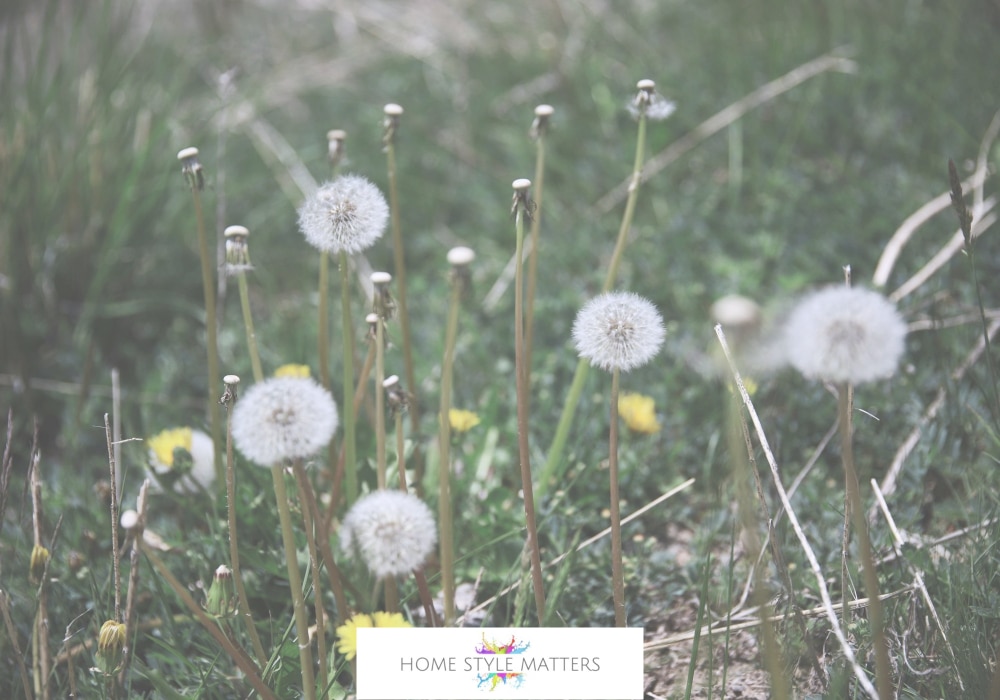
- Dandelions
Creates a Moist, Cool Environment
Cardboard retains moisture, helping soil stay hydrated while reducing stress on plants—especially during summer heat.
Fully Biodegradable
Unlike plastic weed barriers, cardboard breaks down naturally within 6–12 months, enriching the soil as it decomposes.
How to Use Cardboard to Stop Weeds
Step 1: Gather the Right Cardboard
Use:
- Plain brown cardboard
- Boxes without glossy print
- Cardboard with minimal tape
Avoid:
- Coated or waxed boxes
- Colored inks
- Boxes with heavy glue
Step 2: Prepare the Garden Area
Remove large weeds or cut them down to soil level. There’s no need to dig—the ground cover works beautifully in no-till gardens.
Step 3: Lay the Cardboard
- Overlap pieces by at least 6 inches to prevent weeds from slipping through seams.
- For extra-tough weeds, double-layer the cardboard.
Step 4: Water the Cardboard Thoroughly
This helps it mold to the soil surface and begin decomposing faster.
Step 5: Add a Top Layer of Organic Mulch
Apply 2–4 inches of:
- Wood chips
- Straw
- Shredded leaves
- Compost
This protects the cardboard from wind and sun while enriching the soil further.
Benefits Beyond Weed Control
Improves Soil Structure
As cardboard breaks down, it feeds beneficial soil organisms like earthworms and fungi.
Reduce Waste and Recycle
Using cardboard as mulch is an excellent way to recycle and reduce landfill waste.
Costs Effective
Unlike landscaping fabric or heavy bark mulch, cardboard is often completely free.
Boosts Soil Microbial Activity
Cardboard decomposes into carbon-rich organic matter—ideal food for microbes that improve plant health.
Common Mistakes to Avoid
🚫 Using glossy or coated cardboard (may contain chemicals)
🚫 Leaving gaps or seams where weeds can break through
🚫 Applying too thin a mulch layer
🚫 Forgetting to water the cardboard before mulching
Avoid these, and your mulch bed will stay weed-free for months.
Is Cardboard Weed Barrier Safe for Vegetable Gardens?
Yes—when using plain, uncoated cardboard, it is widely considered safe. It has been used for decades in organic and no-dig garden systems, including those recommended by well-known regenerative growers.
Conclusion
Cardboard mulch presents a versatile and low-cost solution for managing weeds while being kind to the environment. This innovative approach not only cuts down on garden maintenance but also enriches the soil as it breaks down, providing lasting benefits. By choosing to incorporate cardboard into your gardening routine, you can make a tangible difference in sustainability.