
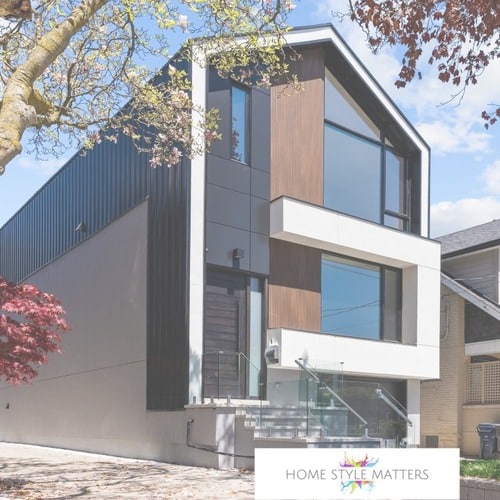
Future-Proofing Homes Today To Enhance Tomorrow’s Independence
Table of Contents
Future-proofing homes is no longer just a personal choice — it is a national priority. Across the UK housing landscape, the need to transform how homes are planned, delivered, and adapted has never been clearer. With rising costs, demographic change, and environmental pressures, housing must deliver a positive impact for people, communities, and the wider economy, a challenge increasingly highlighted by the Local Government Association. Let us explore how future-focused housing can support independence, sustainability, and resilience — now and for tomorrow’s needs.
Transforming Homes Through a Long-Term Programme
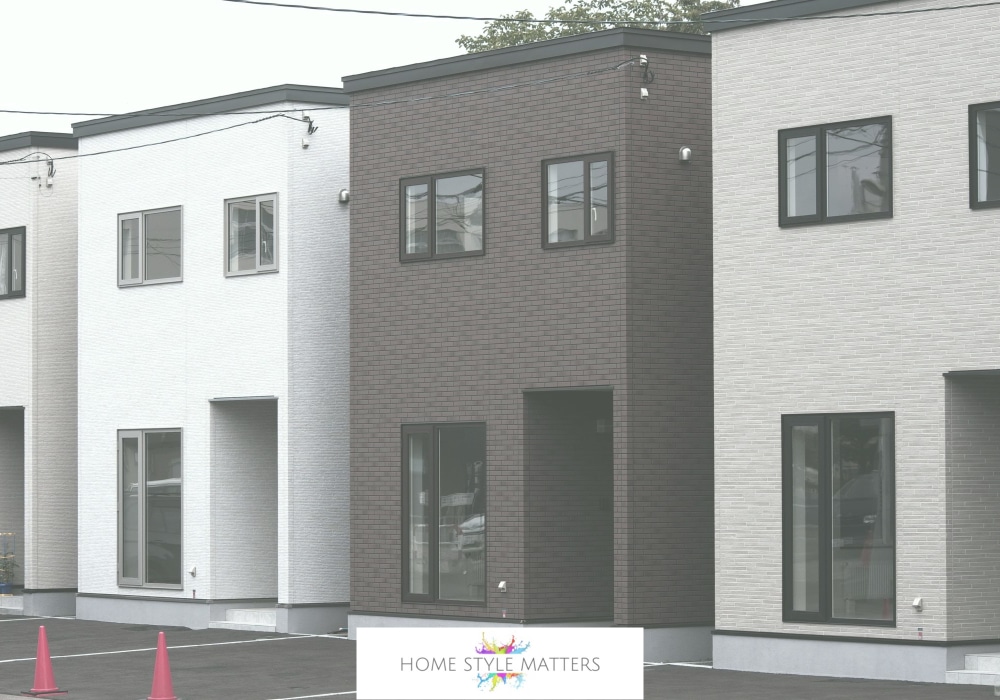
A national programme approach is essential to address long-standing structural issues in housing. Rather than isolated projects, coordinated action allows stakeholders to transform outcomes across tenure types, regions, and generations. Effective housing reform supports planning for the future, ensuring that decisions made today reflect both the present and future needs of households across the UK.
Social Housing and Supported Living Solutions
Well-designed social housing and supported housing play a critical role in meeting the specific needs of vulnerable groups. When aligned with health and social care services, housing becomes a foundation for independence rather than a source of risk. For housing tenants, quality accommodation supports stability, dignity, and wellbeing — particularly when homes meet modern housing standards and realistic space standards.
Transforming the Delivery of New Homes
To resolve the ongoing housing crisis, the UK must increase housing supply and build new homes at pace. However, quantity alone is not enough. The construction of new homes must focus on long-term value, accessibility, and adaptability. By adopting modern methods of construction, developers can deliver new homes built faster and more efficiently, helping to address the housing shortage while improving build quality.
Net Zero and Climate-Ready Housing

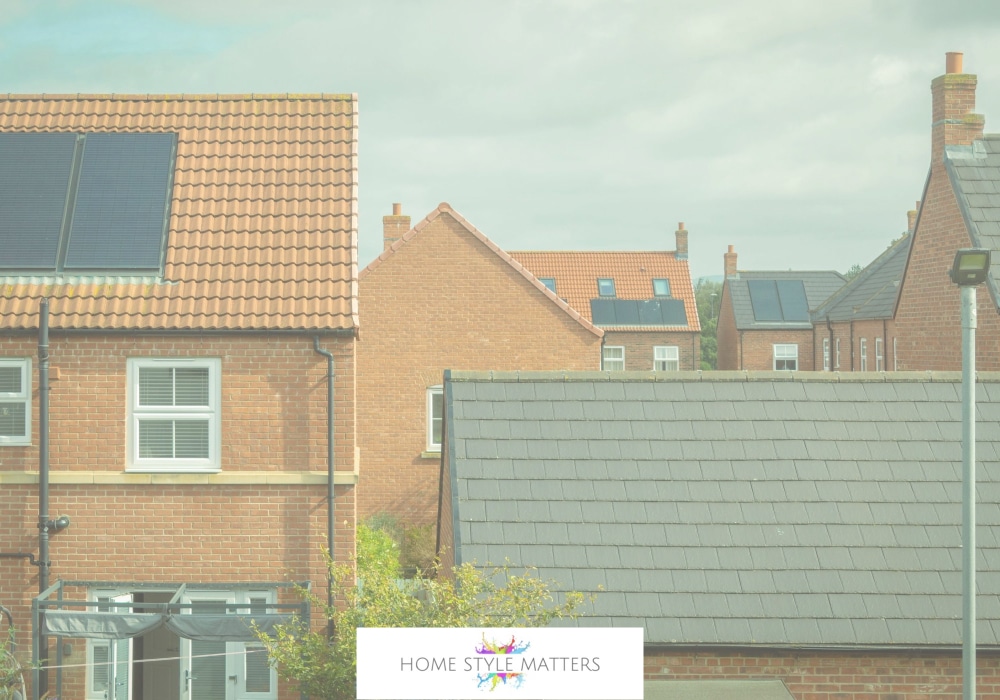

Meeting net zero targets requires decisive action across existing homes and new housing alike. Improving energy efficiency through better insulation, solar panels, and heat pumps reduces carbon emissions and lowers household bills. The impact of climate change makes resilient housing essential, placing homes on a clear path to net zero and contributing to a greener future.
Creating a Positive Impact Through Affordability
Delivering affordable housing is central to improving housing provision across housing in Britain. Rising housing cost pressures have made home ownership increasingly unattainable for many. High-quality, affordable new homes can relieve pressure on overstretched housing stock and reduce reliance on poor-quality temporary accommodation.
Building a Sustainable Future for UK Housing
A sustainable future depends on aligning housing strategies with wider economic and social goals. From housing schemes to national housing policy, coordinated leadership helps shape the future of communities. The Federation of Housing and housing providers across the country continue to emphasise the importance of integrated housing approaches that bring together housing, health, and infrastructure planning.
Energy Efficiency and Future Standards

The future homes standard sets expectations for how homes are built, ensuring lower emissions and reduced running costs. Meeting these benchmarks supports an efficient future and improves overall housing quality. Smarter design and construction, including integrated home systems and smart home technology, enables adaptability as household needs change.
Carbon Emissions, Space and Better Outcomes
Improving the use of space is vital to delivering better outcomes for residents. Well-designed layouts improve accessibility, comfort, and quality of life, particularly where home adaptations are required later in life. Addressing poor housing conditions also has a direct impact on physical and mental health, an issue increasingly recognised on world mental health day.
UK Housing, Digital Transformation and Innovation
The future of uk housing will be shaped by digital transformation, including the use of building information modelling to improve efficiency, transparency, and quality control. These tools support smarter delivery across major infrastructure projects, enabling housing to align with infrastructure and beyond priorities and wider investment in the uk.
Challenges Facing Housing Supply Today

Among the key challenges facing the sector are rising costs, land constraints, and skills shortages. The chair of the National Housing Forum has repeatedly highlighted the need to build back better following recent economic shocks. Without reform, housing quality risks declining even as demand grows.
Conclusion
By prioritising quality housing, improving provision, and increasing supply, the UK can move towards a new future where homes support independence, wellbeing, and opportunity. A future-ready system delivers resilience, supports communities, and ensures the homes we live in today are fit for present and future generations – one where homes work for people, not against them.