
House Insulation Update for 2026
Table of Contents
As we enter 2026, homeowners in the UK are paying closer attention to house insulation than ever before. Rising energy prices, changing regulations, and the demand for energy-efficient homes mean that insulation in the UK is no longer optional—it’s essential.
This 2026 guide explains how home insulation, supported by the Great British Insulation Scheme, can help make your home more comfortable, reduce energy use, and keep your household warm in winter.
Why Insulation Matters More Than Ever in 2026



Insulation matters more than ever because poor insulation is one of the biggest causes of heat loss in your home. Many properties across the UK, especially older home types were built before modern thermal insulation standards.
When insulation is lacking, your energy bill rises, your home still feels cold, and your heating cost increases. Proper insulation helps ensure energy efficiency and supports long-term energy savings.
How to Insulate Your Home in 2026
To insulate your home effectively in 2026, it’s important to assess your needs and choose the correct type of insulation. A professional guide can help ensure your insulation installation meets current standards.
Types of Home Insulation
There are several types of home insulation commonly used in a UK home:
- Loft insulation
- Cavity wall insulation
- External wall insulation
- Floor insulation
- Roof insulation
- Underfloor insulation
- Internal wall insulation
Each type of insulation improvement targets a different area of the property, including the unheated portion of your home.
Home Insulation Options for External Walls

External Walls and External Wall Insulation
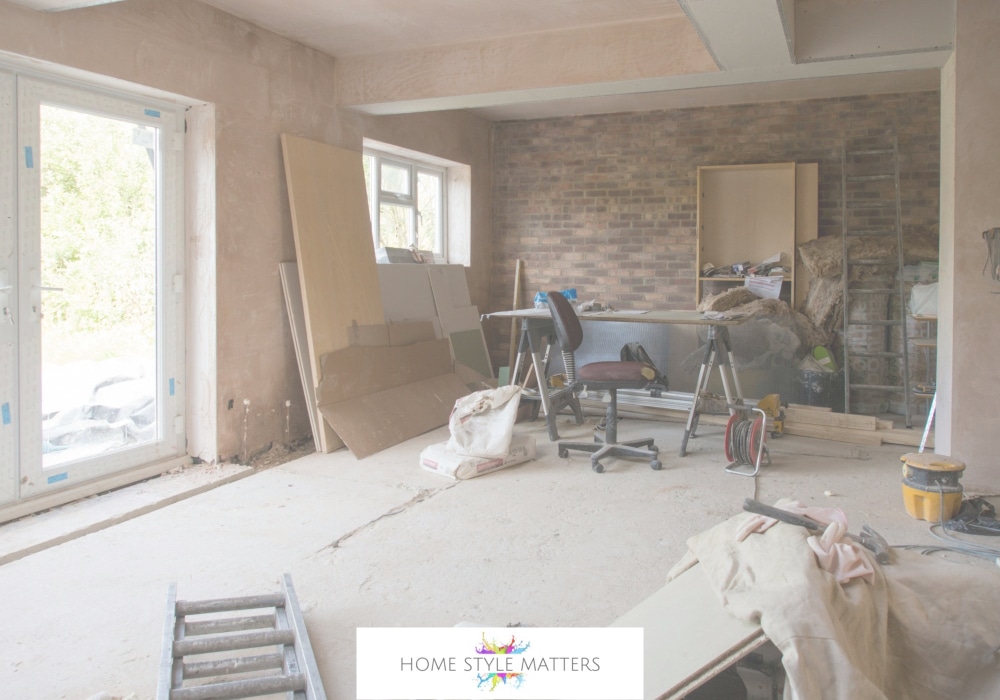
External walls account for a large percentage of heat loss. Outside wall insulation involves adding thermal insulation to the outside walls of your home, often done by fitting solid insulation boards.
This method improves comfort, reduces drafts, and enhances heat and noise insulation. External insulation installation is especially effective for properties with solid wall insulation needs. The process cost varies depending on property size and materials, but it remains one of the most effective insulation measures available.
Loft and Roof Insulation: A Priority Upgrade
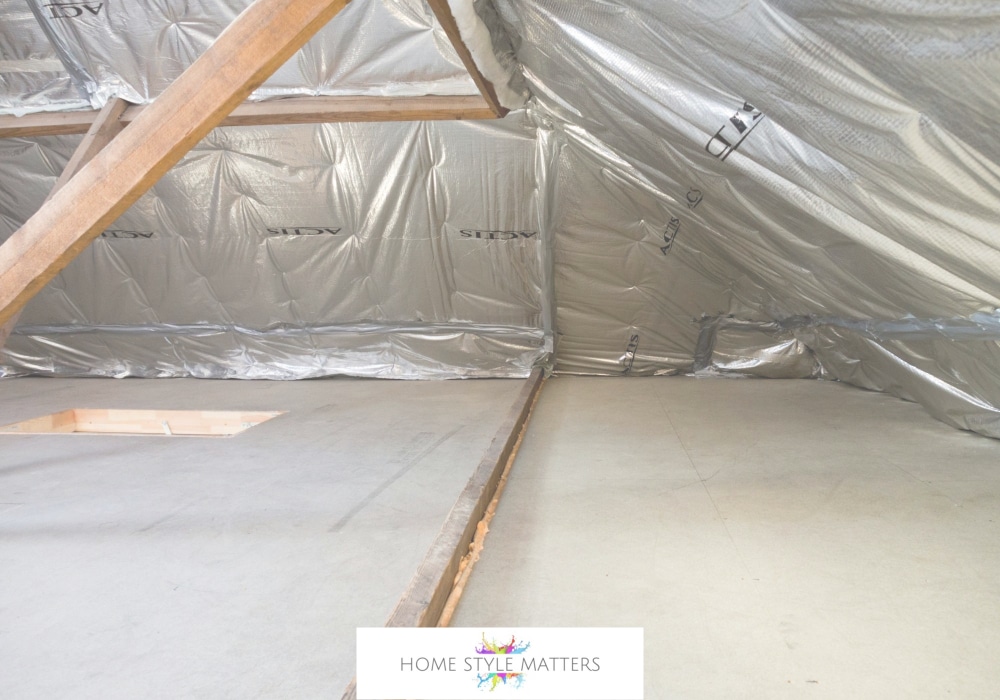
The loft is one of the most important areas to address. Without proper loft insulation, heat escapes quickly through the roof.
- Loft insulation can reduce heat loss significantly
- The best loft insulation material depends on space and budget
- Roof insulation cost can vary, but savings on your energy bill are long-term
Adding roof insulation helps keep your home insulated and supports better energy efficiency.
Floor Insulation and Internal Wall Solutions
Floor insulation and underfloor insulation are ideal for older homes with suspended floors. These upgrades prevent cold air from entering living spaces, keeping your home warm and improving comfort. In some cases, internal wall insulation is used where external work isn’t suitable. This involves insulating the internal wall surfaces while maintaining interior design choices.
The Great British Insulation Scheme Explained
The Great British Insulation Scheme plays a major role in 2026, offering support for eligible households. Many homeowners can qualify for the Great British Insulation Scheme, potentially accessing free insulation or reduced insulation cost.
The scheme works alongside the insulation scheme and the ECO4, also known as the scheme and the ECO4 scheme, which is a person scheme related to insulation.
Key points include:
- A single insulation measure per household
- A home heating cost reduction obligation
- Support focused on wall insulation alone or loft upgrades
These schemes in the UK aim to reduce the cost of home heating cost burden on households.
Insulation Cost in the UK: What to Expect in 2026
Insulation cost depends on property type, size, and materials. For example:
- Wall Insulation: Wall insulation cost varies for cavity and solid walls
- External wall insulation: External wall insulation cost is higher, but offers greater performance
- Cavity Wall Insulation: Cavity insulation is often the most affordable option
A semi-detached house in the UK will have different insulation cost considerations than flats or detached homes.
Benefits of Insulating Your Home
The benefits of insulating your home include:
- Lower energy bill
- Improved energy efficiency
- A home insulated against heat loss
- A noticeably home warmer environment
- Helping save on energy bills
Ultimately, insulation helps ensure your home stays comfortable year-round.
Improving Energy Efficiency for UK Homes
Improving energy efficiency is about more than comfort—it’s about compliance and sustainability. According to the Energy Saving Trust and Energy Saving Trust UK, insulation upgrades are one of the most effective home upgrades available.
Energy-efficient homes in the UK benefit from:
- Reduced emissions
- Better property value
- Long-term savings
Professional Insulation Work and Installation
Quality results depend on expert installers carrying out proper insulation work. Using quality insulation, insulation boards, and correct fitting techniques ensures durability. Fitting solid insulation boards, applying thermal insulation, and ensuring correct sealing are critical steps in professional insulation installation.
Conclusion
In 2026, home and building insulation is one of the best decisions for your home. Insulation is one of the most effective ways to make your home more energy efficient, protecting against rising energy prices and keeping your household comfortable. Whether your goal is to achieve a warm home in winter, or to ensure your home meets modern standards, investing in quality insulation delivers long-term value and is future-ready.