How to Choose the Right Pavers for Your Pool Area
Table of Contents
A sparkling pool is the heart of Australian summer life, but the area surrounding it is what truly brings your outdoor space together. The right paving transforms a simple pool into a seamless outdoor living zone, a place for relaxing, entertaining and making memories. Choosing the perfect pavers is about balancing looks, safety and practicality to create a durable and beautiful poolside retreat.
Selecting the Right Paving Materials
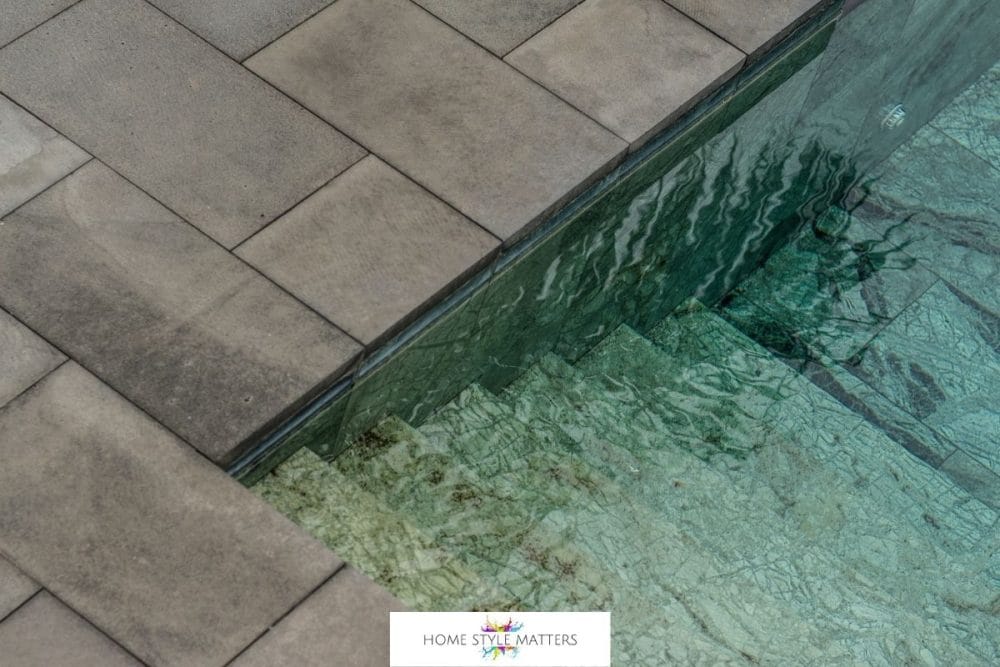
The first step is choosing a material that suits your home’s style and your family’s needs. There’s a wide variety of options, each with its own character. Natural stone like travertine and sandstone offers a timeless, luxurious feel, staying relatively cool underfoot. Concrete pavers are a versatile and budget-friendly choice, available in countless colours and finishes. For a modern, sleek look, large-format porcelain tiles are becoming increasingly popular.
When you’re planning your backyard oasis, it’s wise to consider the paving as part of the overall design from the beginning. A well-planned pool installation takes into account how the pool, surrounding paving and outdoor living areas will work together, helping create a cohesive space that’s practical as well as visually appealing. The material you choose can influence the entire feel of the space, and coordinating it with your home and landscape is a key part of the planning process. Consider factors like colour, which affects heat absorption, and texture, which links directly to safety. The best paving materials will be durable, salt-resistant and suited to your climate.
Safety and Slip Resistance
With water and bare feet, safety around the pool is non-negotiable. The most important feature of any poolside paver is its slip resistance. A smooth, glossy tile might look stunning in a showroom, but it can become dangerously slippery when wet. Always choose pavers with a textured or non-slip surface specifically designed for wet areas.
In Australia, paving materials are tested for their grip, and you should look for products with high slip-resistance ratings. These are often classified with a ‘P’ rating (for pendulum test) or an ‘R’ rating (for ramp test). In Australia, paving materials are tested for slip resistance, with ratings helping you choose products that are appropriate for wet outdoor areas. Check the relevant specifications and Australian requirements for your particular pool area before making a decision.
Designing for Poolside Areas
Great poolside design goes beyond just picking a paver. Think about how you want to use the space. The paving defines different zones for activity. You’ll need a wide enough path for walking safely around the pool, plus larger areas for sun loungers, an outdoor dining set or a comfy seating nook.
The paving that meets the water’s edge, known as coping, is a key design element. Bullnose coping provides a soft, rounded edge that’s comfortable to sit on and grab onto. Square-edge coping offers a cleaner, more modern line that complements contemporary home styles. Using the same paver for the coping and the surrounding area creates a cohesive, flowing look, making your outdoor space feel larger and more organised.
Drainage Considerations for Paved Areas
Proper drainage is a technical but crucial aspect of a well-built pool surround. You don’t want water from splashes or rain to pool on the surface, creating slip hazards or promoting mould growth. More importantly, you don’t want surface water flowing back into your pool, carrying dirt, leaves and other contaminants with it.
A professionally paved area should be laid with a subtle slope, usually around 1 to 2 degrees, that directs water away from the pool and towards a drain or garden bed. This is often unnoticeable to the eye but makes a huge difference in function. In some cases, strip drains can be installed discreetly within the paved area to manage water runoff effectively.
Maintenance for Longevity
To keep your paved pool area looking its best for years to come, a little maintenance goes a long way. The type of care required will depend on your chosen material. Most pavers will benefit from being sealed after installation. A good quality sealer will help protect the pavers from salt and chlorine damage, as well as make it harder for stains from sunscreen, food or fallen leaves to penetrate the surface.
Regular upkeep is simple. Sweep the area often to remove debris that could cause stains or get tracked into the pool. Address any spills promptly. For a deeper clean, a pressure washer on a low setting can be effective, but always check the paver manufacturer’s recommendations first to avoid damaging the surface or the joints.
By carefully considering your paving, you’re not just finishing a construction project; you’re designing the backdrop for countless summer afternoons. The right choice will provide a safe, durable and beautiful foundation for your entire outdoor living paving space.