
How to Stop Condensation on Windows and Prevent Mould This Winter
Table of Contents
As temperatures fall and homes become warmer, condensation on windows can become a familiar sight. A misted-up window first thing in the morning may seem harmless, but persistent condensation can add excess moisture, damp surfaces, and eventually mould growth. The good news is that several straightforward ways can reduce the conditions that allow mould to develop. Whether you live in a modern home, a period property, or a flat, understanding why condensation happens is the first step to keeping your home healthier, warmer, and more comfortable throughout winter.
What Causes Condensation on Windows?
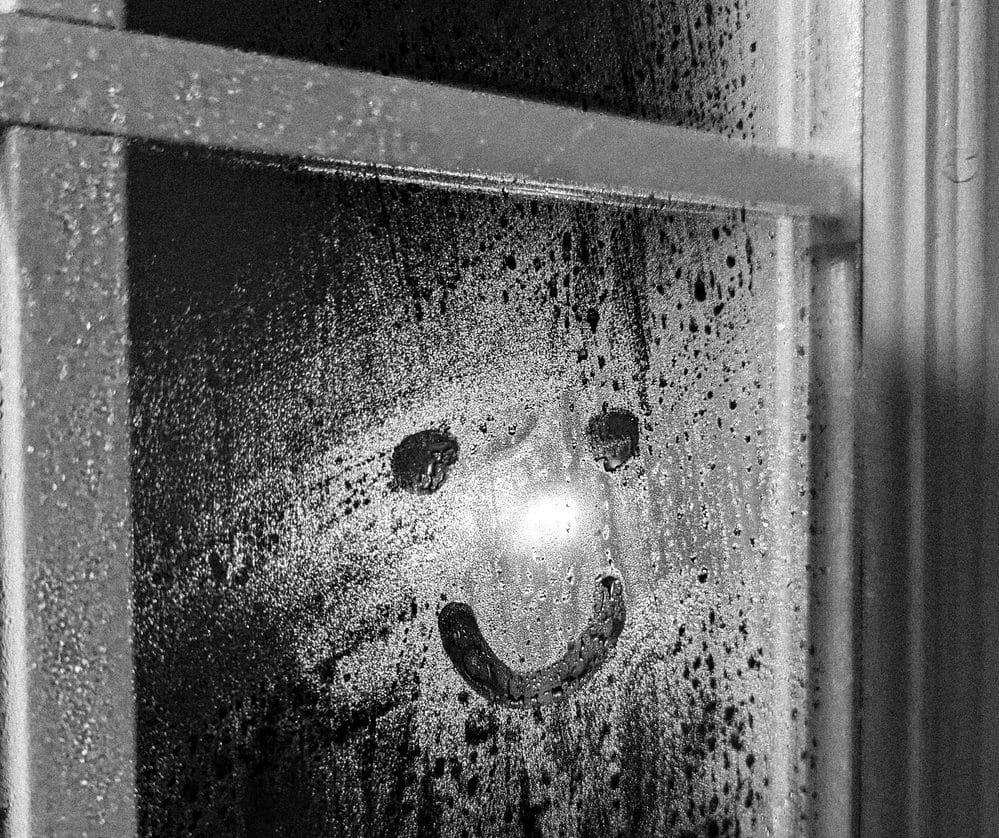
Condensation occurs when warm, moisture-laden air meets a colder surface, such as a windowpane. As the warm air cools, it can no longer hold as much moisture, so water droplets form. During winter, the contrast between indoor and outdoor temperatures makes windows particularly susceptible. Everyday activities can also increase moisture levels inside your home. Cooking, showering, drying clothes, bathing, and even breathing all release water vapour into the air. If this moisture cannot escape through adequate ventilation, it may settle on windows, walls and other cold surfaces.
Why Is Window Condensation a Problem?
A small amount of morning condensation is not necessarily a cause for concern. However, persistent condensation should not be ignored. Regularly wet window frames, sills and surrounding walls can create favourable conditions for mould. Over time, moisture may also damage paintwork, wallpaper, sealants and wooden window frames. Mould can be particularly noticeable around window reveals, corners and other colder parts of a room. The key is to tackle the underlying moisture rather than simply wiping away the visible water.
Wipe Away Excess Condensation
Even with good ventilation and heating, some condensation may still appear during particularly cold weather. Make it part of your morning winter routine to check windows and wipe away excess moisture. Pay particular attention to:
- Window frames
- Window sills
- Corners around windows
- Curtains and blinds
- Areas of wall immediately surrounding windows
Use a clean, dry cloth or suitable window-cleaning tool and avoid leaving standing water on wooden surfaces. Wiping away condensation treats the symptom, not the cause, so investigate persistent problems.
Keep Windows and Vents Clear
Curtains, blinds and furniture can sometimes restrict airflow around windows. Try to avoid completely blocking radiators or covering ventilation openings. Allowing warm air to circulate around windows can help prevent cold spots where condensation is more likely to develop. Check that trickle vents and extractor fans aren’t obstructed by dust, paint or other debris.
How to Stop Condensation on Windows

There isn’t usually one single solution. Instead, a combination of ventilation, heating and moisture control can make a significant difference.
1. Improve Ventilation
One of the simplest ways to reduce condensation is to allow moist air to escape.
Open Windows: For short periods when appropriate, particularly after showering or cooking.
Extractor Fans: Use extractor fans in kitchens and bathrooms and make sure they are clean and working effectively.
Trickle Vents: If your home has trickle vents fitted to windows, avoid closing or blocking them permanently. They provide background ventilation without requiring windows to remain open. Good ventilation is especially important in rooms where moisture levels are naturally higher.
2. Use Bathroom and Kitchen Extractor Fans
Bathrooms and kitchens are major sources of moisture. Turn on your bathroom extractor fan when showering or bathing and leave it running for a suitable period afterwards. When cooking, use your cooker hood or extractor fan, particularly when boiling water or preparing meals. Keep bathroom and kitchen doors closed where practical while producing steam. This helps prevent moisture from spreading into colder rooms.
3. Keep Your Home at a Consistent Temperature
Heating your home can help reduce the temperature difference between indoor air and cold surfaces. Rather than letting some rooms get very cold, maintaining a reasonably consistent temperature can reduce the opportunity for condensation to form. However, simply turning up the heating isn’t a complete solution. If indoor humidity remains high, condensation can still occur. The most effective approach is usually a combination of appropriate heating and good ventilation.
4. Don’t Dry Clothes on Radiators
Drying wet washing on radiators can release a considerable amount of moisture into the air. Where possible, dry clothes outdoors or use a properly ventilated drying area. If indoor drying is unavoidable, consider using a dehumidifier and provide adequate ventilation. Avoid drying laundry in bedrooms or poorly ventilated rooms wherever possible.
5. Consider Using a Dehumidifier
A dehumidifier can help remove excess moisture from indoor air and may be particularly useful during winter when opening windows for long periods isn’t practical. A simple digital hygrometer can also help you understand your home’s humidity levels. There isn’t one perfect humidity level for every household, but consistently high indoor humidity can increase the likelihood of condensation and mould. Monitoring humidity can therefore help you identify whether excess moisture could be contributing to your window condensation.
How to Prevent Mould Around Windows
If mould has already appeared, simply painting over it isn’t a long-term solution. First, consider why the area is becoming damp. Persistent condensation, poor ventilation, cold surfaces, leaks and other forms of damp can all have different causes. For small areas of surface mould, follow appropriate cleaning guidance and use suitable protective measures. Never mix cleaning chemicals, particularly products containing bleach, with other household cleaners. If mould keeps returning despite improving ventilation and moisture control, the underlying cause needs further investigation.
Condensation or Something More Serious?

It’s important to distinguish ordinary condensation from other types of damp. Condensation usually forms when moisture condenses on cold surfaces, especially windows and colder parts of walls. Other problems may have different causes.
Penetrating damp can be linked to issues such as damaged brickwork, gutters, or external defects, while plumbing leaks can introduce moisture into walls and ceilings. If you notice persistent damp patches, peeling wallpaper, staining, musty smells or mould that repeatedly returns, it is worth investigating the cause rather than assuming it is simply condensation. In rented accommodation, tenants should also report persistent damp and mould concerns to their landlord or managing agent.
Don’t Block Ventilation in Winter
It can be tempting to close every ventilation opening when the weather becomes cold. However, reducing ventilation too much can allow indoor moisture levels to build up. A warm, well-ventilated home is generally a better approach than trying to seal the property completely against cold air. This is particularly important in modern, energy-efficient homes where improved airtightness means deliberate ventilation plays an increasingly important role.
A Simple Winter Condensation Checklist
Before winter really sets in, check that you:
- Keep Kitchen and Bathroom Extractor Fans working effectively.
- Use Extractor Fans when producing steam.
- Keep Trickle Vents open and unobstructed.
- Avoid drying clothes directly on Radiators.
- Ventilate rooms regularly.
- Keep rooms reasonably warm.
- Wipe away excess condensation from windows.
- Check window frames and sills for moisture damage.
- Monitor indoor humidity if condensation is persistent.
- Investigate recurring mould rather than repeatedly cleaning it.
- Check Gutters, Roofs, seals, and External Walls if damp appears unrelated to condensation.
When I Discovered It Wasn’t Just Condensation
I live in a small Terraced House with Electric Storage Heating, so it’s not ideal. Last winter I noticed condensation on the windows each morning at the top of my upstairs landing, which I put down to the cooler weather. I also noticed dark patches on the coving. Although I initially thought could this be damp I then associated the patches with soot due to the recent use of candles and therefore repainting required. Following a session of painting and decorating, I again noticed the dark damp patches returned. I decided to investigate further, and after an expert completed a close inspection of my loft (which was dry) and then the external roof, the issue was actually related to the metal flashing and pointing between my roof and the adjoining next-door building. An expert replaced and sealed the metal flashing and pointing, and one year later the issue has not returned. What started as a condensation issue progressed to something far more serious.
Conclusion
Stopping condensation on windows isn’t about eliminating every drop of moisture overnight. Instead, it is about managing the balance between moisture, ventilation, heating, and surface temperatures in your home. Small changes can help. If condensation is persistent or accompanied by recurring mould or damp patches, don’t simply treat the visible problem. Finding and addressing the underlying cause is the more effective long-term approach. With a little preparation before the coldest weather arrives, you can help prevent mould, protect your windows and keep your home more comfortable throughout winter.