

Minimise The Risk Of Accidental Injury With Unpredictable Pets
Table of Contents
Understanding how to reduce the risk of accidental injury with unpredictable Pets is essential for creating a safer environment while maintaining a healthy and trusting relationship with your animals. Pets bring companionship, joy, and emotional support into millions of homes. However, even the most affectionate animals can behave unpredictably under certain circumstances. Sudden movements, fear, territorial instincts, or overstimulation can lead to accidents involving pets for the owners, children, visitors, and even other pets.
Why Pets Sometimes Behave Unpredictably
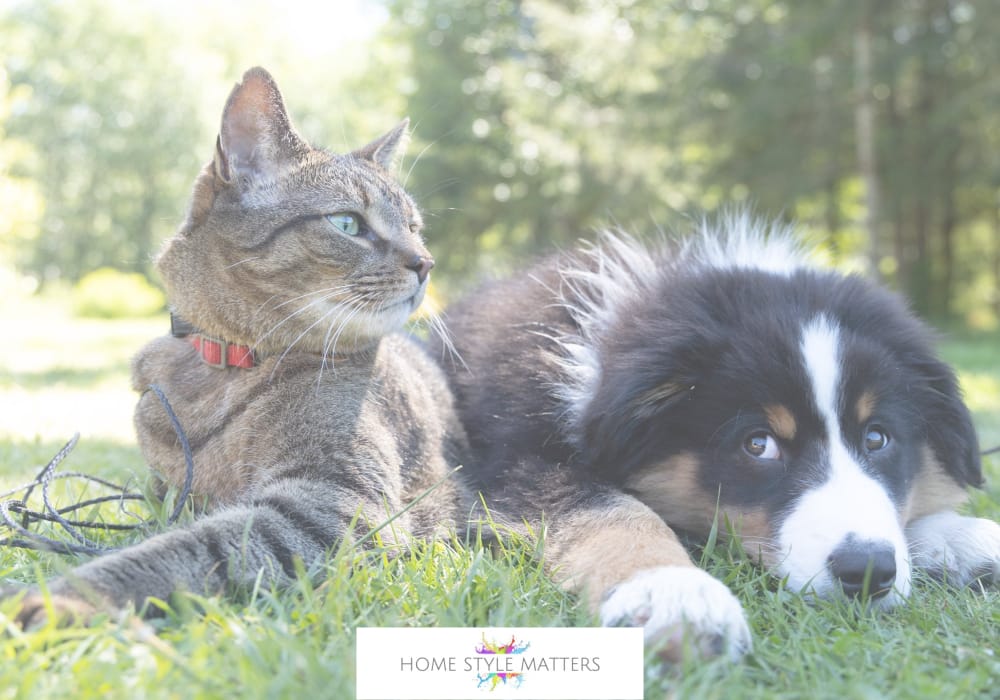
Animals communicate differently from humans. Behaviour that may seem sudden or aggressive is often a reaction to stress, anxiety, fear, pain, or overstimulation. Even well-trained pets can react unexpectedly when startled or uncomfortable.
Some common triggers for unpredictable behaviour include:
- Loud noises or unfamiliar environments
- Sudden physical contact or rough handling
- Pain caused by illness or injury
- Resource guarding around food or toys
- Anxiety around strangers or other animals
- Overexcitement during play
- Lack of socialisation or training
Recognising these triggers early allows pet owners to intervene before situations escalate into accidental injuries. Whether you own a playful puppy, an energetic cat, or a rescue pet with an unknown history, proactive safety measures can significantly minimise the chances of accidental injury. By combining proper training, supervision, environmental awareness, and routine veterinary care, pet owners can create a more secure and harmonious home.
Common Types of Accidental Pet Injuries
Unpredictable pet behaviour can lead to a variety of injuries, ranging from minor scratches to more serious incidents. Common examples include:
Bites and Scratches: Dogs and cats may bite or scratch when frightened, stressed, or overstimulated. Children are particularly vulnerable because they may not recognise warning signs such as growling, flattened ears, or defensive posture. Dogs and cats may bite or scratch when frightened, stressed, or overstimulated. Children are particularly vulnerable because they may not recognise warning signs such as growling, flattened ears, or defensive posture.
Trips and Falls: Energetic pets running through the home can create tripping hazards, especially for older adults or individuals with mobility challenges.
Pulling Injuries During Walks: Strong dogs that suddenly lunge or pull on a lead can cause shoulder strains, wrist injuries, or falls.
Injuries between Pets: Households with multiple pets may experience occasional fights or territorial disputes that can accidentally injure owners attempting to intervene.
The Importance of Early Socialisation
Proper socialisation is one of the most effective ways to reduce unpredictable behaviour. Introducing Pets to different people, sounds, environments, and experiences at an early age helps build confidence and adaptability. For puppies and kittens, the first few months are especially important. Positive exposure during this developmental period can reduce fear-based reactions later in life.
Socialisation strategies include:
- Introducing Pets to a variety of people and settings gradually
- Rewarding calm and relaxed behaviour
- Creating positive associations with new experiences
- Avoiding overwhelming or stressful encounters
- Enrolling in reputable training or obedience classes
Well-socialised Pets are generally more relaxed, responsive, and less likely to react aggressively in unfamiliar situations.
Training Creates Safer Interactions
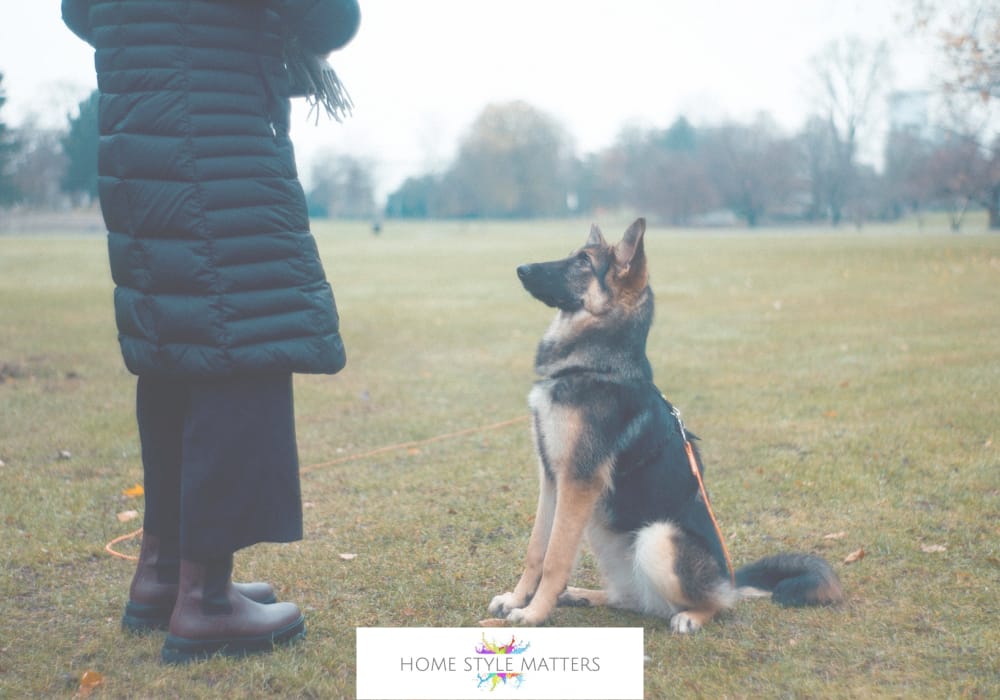
Consistent training helps establish boundaries and improve communication between Pets and Owners. Basic obedience commands such as “sit,” “stay,” “leave it,” and “come” can prevent dangerous situations before they occur. Positive reinforcement training methods are highly effective because they reward desired behaviour rather than punishing mistakes. This approach builds trust and reduces fear-based responses. Ongoing training also keeps pets mentally stimulated, reducing boredom-related behavioural issues.
Professional trainers or animal behaviourists may be especially beneficial for:
- Rescue pets with trauma histories
- Dogs showing signs of aggression or anxiety
- High-energy breeds requiring structured stimulation
- Households with children or multiple animals
Creating a Pet-Safe Home Environment
Organisation: A well-organised environment can greatly reduce the likelihood of accidental injuries.
Keep Walkways Clear: Avoid leaving toys, leads, food bowls, or pet bedding in high-traffic areas where people may trip.
Use Safety Gates If Required: Baby gates or pet barriers can help separate animals from children, visitors, or high-risk areas of the home.
Provide Quiet Spaces: Pets need safe, quiet areas where they can retreat when overwhelmed. Respecting these spaces reduces stress-related reactions.
Secure Hazardous Items: Store medications, chemicals, electrical cords, and sharp objects safely out of reach.
Supervise Interactions with Children: Children should always be supervised around Pets. Teaching children how to approach and handle animals gently is essential for preventing accidental injuries.
Understanding Pet Body Language
Learning to recognise warning signs can help prevent incidents before they happen.
Signs of Stress or Anxiety in Dogs
- Growling or barking
- Lip licking or yawning repeatedly
- Tucked tail
- Stiff posture
- Avoiding eye contact
- Raised fur along the back
Signs of Stress in Cats

- Flattened ears
- Swishing tail
- Hissing or growling
- Dilated pupils
- Sudden hiding
- Aggressive swatting
Responding calmly to these signals and removing the source of stress can prevent escalation.
Exercise and Mental Stimulation Matter
Under stimulated pets are more likely to develop destructive or unpredictable behaviours. Regular physical exercise and mental enrichment are crucial for maintaining emotional balance. Pets with sufficient physical and mental outlets are often calmer and easier to manage.
Healthy stimulation can include:
- Daily walks and outdoor activity
- Interactive toys and puzzles
- Training sessions
- Social play opportunities
Veterinary Care Plays a Critical Role
Unexpected aggression or behavioural changes can sometimes indicate underlying medical issues. Pain, neurological conditions, hormonal imbalances, or illness may contribute to unpredictable reactions. Routine veterinary check-ups help identify health problems early and ensure pets remain comfortable and healthy. Addressing medical concerns promptly can reduce the risk of injury while improving overall well-being.
Speak with a veterinarian if your Pet suddenly shows:
- Increased irritability
- Sensitivity to touch
- Changes in appetite or energy
- Sudden aggression
- Confusion or disorientation
Extra Precautions for High-Risk Situations
Certain environments or scenarios may require additional safety measures.
Around Elderly Individuals: Older adults may be more vulnerable to falls caused by energetic Pets. Training Pets not to jump and using shorter leads during walks can help minimise risk.
During Social Gatherings: Visitors can unintentionally overstimulate pets. Creating quiet retreat areas and supervising interactions carefully can prevent incidents.
Introducing New Pets: Slow introductions reduce territorial behaviour and stress. Gradual exposure with positive reinforcement supports smoother transitions.
Travelling With Pets: Always use appropriate restraints, carriers, or harnesses when transporting Pets to avoid distractions and injuries during travel.
Building Trust Through Responsible Pet Ownership

Responsible Pet Ownership goes beyond feeding and exercise. It involves understanding animal behaviour, recognising stress signals, and taking proactive steps to create safe interactions. Every animal has its own personality and behavioural tendencies. Patience, consistency, and education are key to creating a safe and positive environment for both humans and animals.
Conclusion
Unpredictable Pet behaviour can never be eliminated, but the risk of accidental injury can be greatly reduced with the right approach. Prevention begins with awareness, with proactive care, Pets can continue to be loving companions while minimising the risks associated with unpredictable behaviour. By taking preventive measures today, pet owners can enjoy safer, happier relationships with their animals for years to come.