The Smart Home Security Checklist You Need
Table of Contents
A secure home is a top priority for any homeowner, and modern technology offers more ways than ever to achieve it. Building a smart security system might seem complicated, but breaking it down into a clear checklist makes the whole process much easier. If you focus on key areas, from planning to maintenance, you can create a connected and protected environment that truly fits your needs.
This guide will walk you through the essential steps to design and set up a smart security system for your home.
Planning Your Smart Security System
Before you buy any gadgets, the first thing to do is make a plan. Walk around your property and look for potential weak spots. Which doors and windows are easiest to get to? Are there any hidden areas where an intruder could hide? This assessment will help you decide where to put sensors and cameras, and it’ll also be useful when you’re exploring the best home security options.
Next, think about your budget and what you want the system to do. Do you just want simple alerts on your phone, or do you need a system with professional monitoring? Answering these questions early on will help you design a smart home security system that truly fits your lifestyle and property, without spending too much on features you don’t need.
Integrating Locks and Access Control
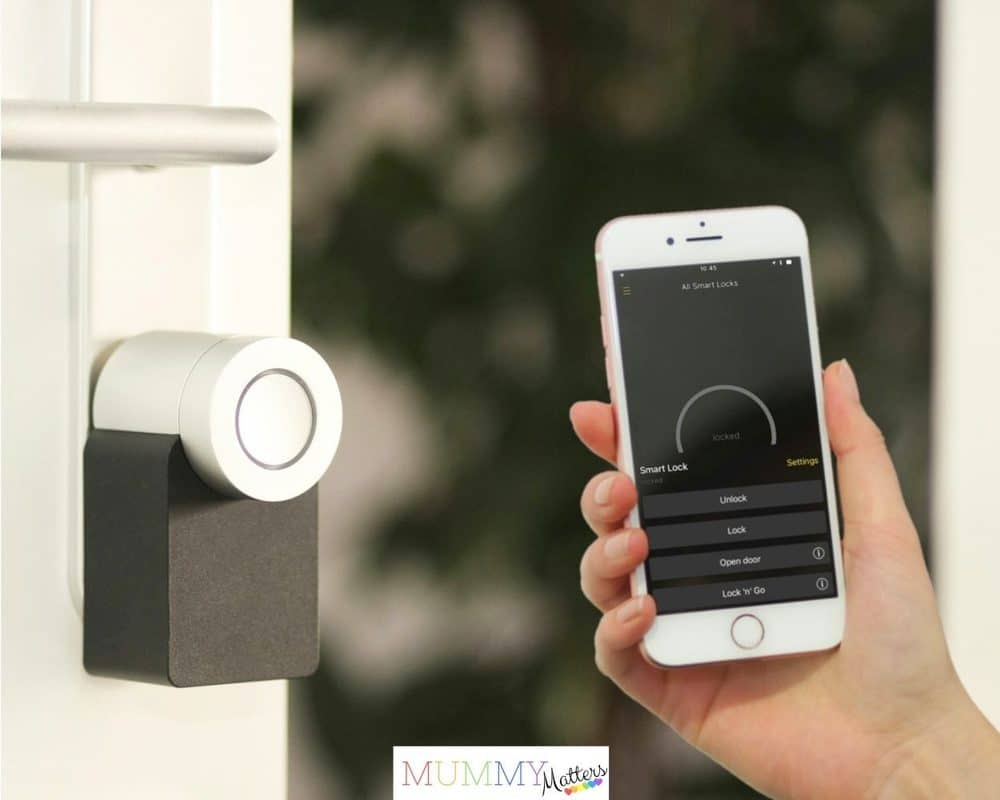
Your front door is the main way into your home, so your locks are the most important part of your security. Smart locks are a big upgrade, letting you give temporary access to guests, get notifications when someone enters, and lock or unlock your door remotely from your phone. But a smart lock is only as good as its physical strength.
For installation and to make sure your existing hardware is up to scratch, it’s often best to talk to a professional locksmith. They can recommend the best type of lock for your door and ensure it’s installed securely, blending the convenience of smart technology with the reliability of a strong physical barrier.
Key Components of a Secure Smart Home
Beyond just locks, a truly secure smart home uses a network of devices that work together. These components create layers of protection and awareness.
- Sensors: Contact sensors for doors and windows are crucial. They’ll alert you the moment an entry point opens. You can also place motion sensors in key areas like hallways or living rooms to detect movement when you’re away.
- Smart Lighting: You can programme connected lights to turn on and off on a schedule, making it look like someone is home. They can also link to motion sensors, lighting up an area when movement is detected, which is a strong deterrent.
- Integrated Alarms: Smart smoke and carbon monoxide detectors can send an alert to your phone if there’s a problem, letting you react quickly even if you’re not home.
CCTV and Alarm System Considerations
Seeing what’s happening and having audible alarms are vital parts of any security setup. Video doorbells have become incredibly popular, letting you see and talk to anyone at your door from anywhere. When choosing CCTV cameras, think about whether you need indoor or outdoor models, the video quality you require, and if night vision is necessary.
A complete guide to home security systems can help you compare features across different models. For alarm systems, decide if you want a loud siren to scare off intruders and alert neighbours, or a silent alarm that notifies you and a monitoring service without tipping off the intruder.
Professional Setup and Maintenance
While many smart security devices are designed for you to install yourself, a fully integrated system can be tricky to set up correctly. If your system involves multiple cameras, sensors, and smart locks all working together, professional installation ensures everything is configured properly and communicating as it should.
Once your system is up and running, regular maintenance is key. This means testing sensors, checking battery levels in wireless devices, and keeping the software and firmware of your smart hub and devices updated. This protects against digital vulnerabilities and keeps everything running smoothly.
Building a secure smart home is a worthwhile investment in your property and your family’s safety. Following a structured approach helps you create a system that’s both effective and easy to manage.