Why Kitchen Ovens Become Greasy So Quickly in Busy Homes
Table of Contents
The kitchen is often the busiest place in a home. From quick weekday dinners to weekend baking and Sunday roasts, ovens are used regularly in most family homes with children. While cooking is an essential part of family life, frequent oven use also leads to a problem many people overlook: grease and burnt residue building up inside the appliance.
Over time, this buildup can affect how the oven looks and smells, and even how efficiently it cooks food.
Understanding how and why ovens become dirty can help homeowners maintain their kitchen appliances more effectively.
How Cooking Creates Grease Inside an Oven
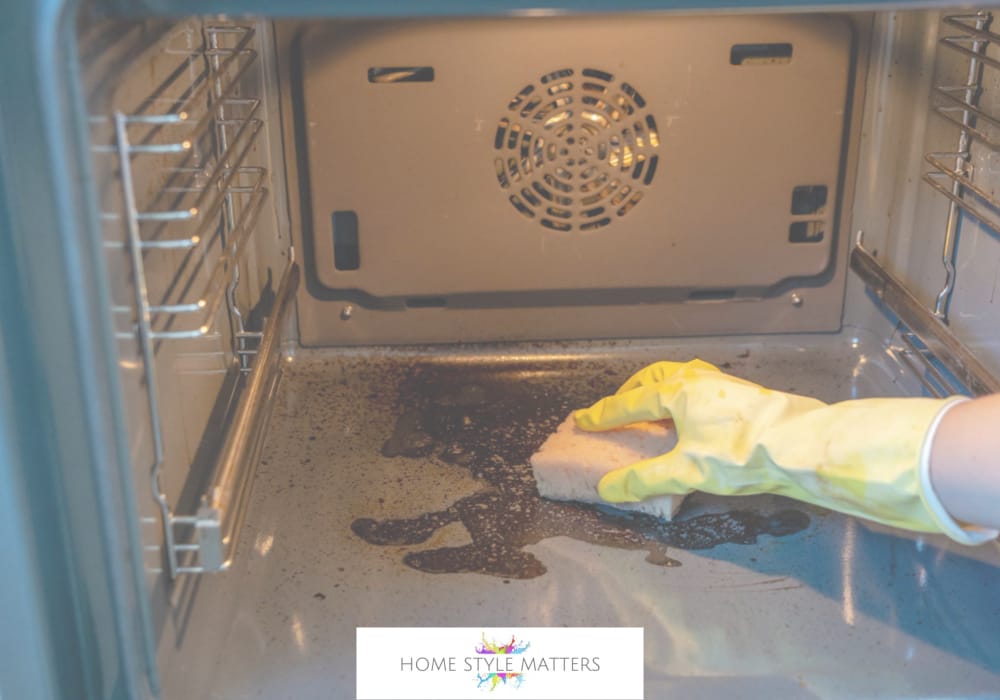
Every time food is cooked in an oven, small particles of grease and vapour are released into the hot air. These particles settle on the oven walls, trays, racks and glass door.
At first, the layer is thin and almost invisible. But each time the oven heats up again, the residue bakes onto the surface, slowly forming thicker deposits.
This process happens especially quickly when cooking foods such as:
- roasted meats
- dishes with oils or marinades
- cheese-based meals
- baked foods that spill or drip
Over months of regular cooking, the inside of the oven can become coated with hardened grease and burnt food particles.
When Oven Glass Becomes Hard to See Through
One of the first signs that an oven needs cleaning is when the glass door becomes cloudy or dark. This happens when grease particles settle on the inner glass panels and gradually bake onto the surface.
When the glass becomes difficult to see through, many people end up opening the oven door repeatedly to check their food.
Each time the door opens, heat escapes from the oven, which can increase cooking times and affect the appliance’s internal temperature.
Keeping the oven glass clean helps maintain stable cooking conditions.
Why Grease Can Affect Oven Performance
Modern ovens rely on fans and airflow to distribute heat evenly during cooking. When grease builds up inside the oven, it can collect around ventilation areas and fan covers.
Heavy grease deposits may interfere with the circulation of hot air, which can sometimes lead to uneven cooking.
Food may take longer to cook, and some parts of a dish may cook faster than others.
This is one reason why maintaining a clean oven can help ensure more consistent cooking results.
Cooking Smells and Burnt Residue
Another common issue caused by grease build-up is unpleasant smells when the oven heats up.
Burnt food particles left inside the oven can release smoke and odours during cooking. In some cases, this smell spreads throughout the kitchen and even into other rooms of the house.
Regular cleaning removes these residues and helps keep the kitchen environment fresher.
Why Many Homeowners Choose Professional Oven Cleaning
For ovens with heavy grease build-up or burnt-on food deposits, homeowners often rely on specialist oven cleaning in Wolverhampton to thoroughly clean the appliance and improve cooking performance.
Professional oven cleaning services use cleaning systems designed to dissolve grease without damaging the appliance. Removable parts such as racks and trays are typically cleaned separately in heated tanks that break down stubborn deposits.
The inside of the oven is then cleaned carefully to remove grease from the walls, the fan cover, and the glass panels.
Those who want to restore their oven to a clean condition can learn more about the process by visiting Local Expert Cleaning, which offers specialist oven cleaning services for a wide range of kitchen appliances.
Maintaining a Cleaner Kitchen
The oven is one of the most important appliances in any kitchen, and regular maintenance helps keep it working efficiently.
Simple habits such as wiping spills quickly, using baking trays to catch drips, and arranging occasional deep cleaning can make a significant difference.
By keeping ovens clean and well-maintained, homeowners can improve cooking efficiency, reduce unwanted smells, and create a more pleasant kitchen environment.