
The Benefits of a Pantry or Cool Room in Your Home
Table of Contents
In modern homes, a well-designed pantry or cool room can provide much more than extra food storage. By giving everyday ingredients, bulk buys and kitchen essentials a dedicated place, a pantry can help keep the main kitchen organised, reduce clutter and make better use of available space.
Depending on the layout of your home, this could be a traditional kitchen larder, a compact pantry cupboard, a walk-in pantry or even a naturally cooler room designed for storing certain foods. With thoughtful shelving, ventilation and temperature control, these spaces can combine traditional practicality with the needs of modern family life.
If you’re renovating your kitchen or simply looking for ways to improve your existing storage, here’s why a pantry or cool room could be a worthwhile addition to your home.
Why Every Kitchen Needs a Pantry or Larder
Pantry and Larder in the Modern Kitchen
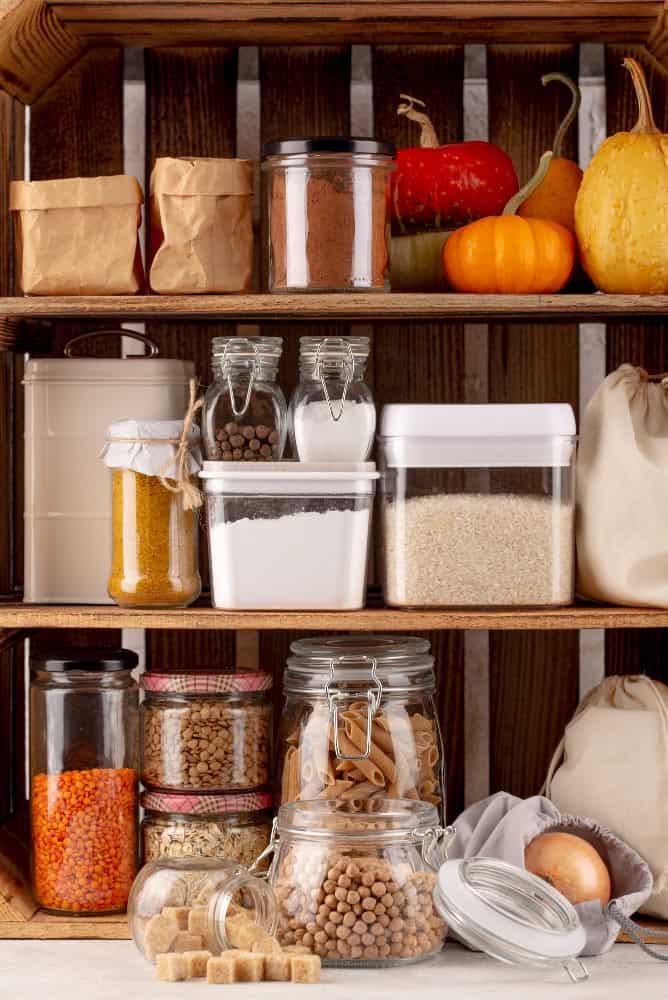
A pantry or larder may feel like a feature associated with traditional homes, but it can be just as useful in a modern kitchen. Having a dedicated area for food and kitchen essentials makes it easier to see what you already have, keep cupboards organised and reduce clutter on worktops.
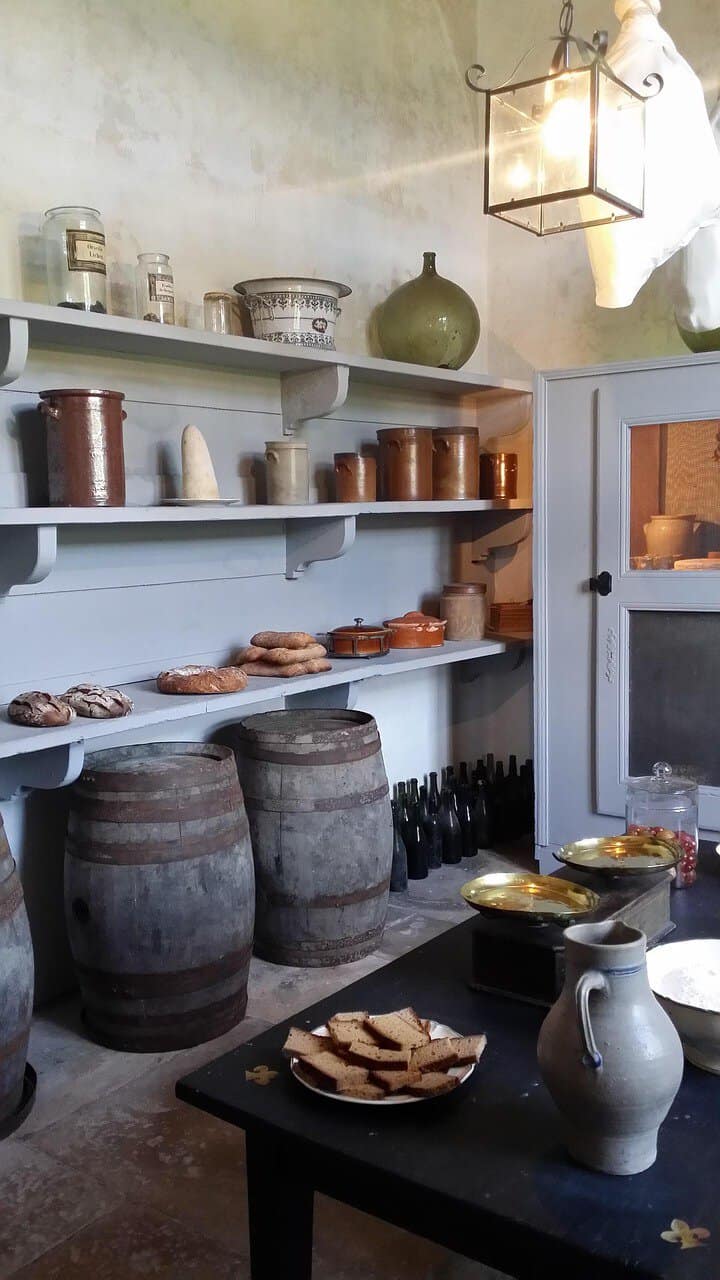
Traditionally, pantries and larders were cool spaces used to store bread, preserves and other foods away from the heat of the kitchen. Today, the idea has evolved to suit homes of all sizes. You might have a separate walk-in pantry, a floor-to-ceiling larder cupboard or simply a cleverly designed section of kitchen cabinetry dedicated to storage.
Even a relatively small pantry can provide valuable space for everyday ingredients, baking supplies, breakfast foods, jars, tins and bulk purchases. With adjustable shelving, baskets and containers, you can create a storage system that works around the way your household actually uses the kitchen.
Most importantly, a pantry gives everything a designated home, helping the main kitchen feel calmer, less cluttered and easier to use.
Kitchen Pantry Layout: Air Circulation, Ventilation, and Temperature Control
Why Ventilation and Temperature Matter
Good ventilation can make a big difference to how comfortable and practical a pantry is, particularly if it is a separate cupboard or small room. Without sufficient airflow, enclosed spaces can become warm or humid, which may encourage condensation, musty smells and mould.
Where possible, position a pantry away from heat-producing appliances such as ovens, dishwashers and radiators. A pantry on the cooler side of the house may also naturally maintain a more stable temperature, although this will depend on the layout and insulation of your home.
Ventilation can be as simple as incorporating vents or ensuring there is sufficient airflow around shelving and stored items. In a larger pantry or purpose-built cool room, you may need to consider additional ventilation, insulation and humidity control as part of the design.
It is also important to remember that a cool pantry is not the same as a refrigerator. Foods that require refrigeration should still be stored at the appropriate temperature, while a pantry is better suited to dry goods, tins, jars, unopened ingredients and produce that can safely be kept outside the fridge.
The Value of a Cold Pantry or Cold Room
What’s the Difference Between a Cool Pantry and a Cold Room?
Although the terms are sometimes used interchangeably, a cool pantry and a cold room aren’t necessarily the same thing. A traditional cool pantry relies largely on its position within the home, good ventilation and insulation to maintain a relatively cool and stable environment. A cold room, on the other hand, may use dedicated cooling equipment to maintain a controlled temperature.
For many homes, a naturally cooler pantry can be useful for storing dry goods, preserves, tins, jars and certain fruits and vegetables that don’t need to be refrigerated. Keeping these items away from direct sunlight and sources of heat can also help you make better use of valuable fridge and kitchen cupboard space.
If you’re planning a home renovation, the position of a pantry is worth considering from the beginning. Locating it away from ovens, radiators and other heat sources, while incorporating suitable insulation and ventilation, can help create a more practical storage environment.
A purpose-built refrigerated cold room is a different proposition and will need appropriate insulation, temperature control and professional installation. For most family homes, however, a well-planned pantry or larder provides plenty of useful additional storage without requiring another refrigerated space.
Storage Solutions That Work With Any Kitchen Design
Built into Your Kitchen Design or a Standalone Cupboard
A modern-day pantry can be built into your kitchen design or exist as a standalone walk-in cupboard. Either way, the pantry frees up precious cabinet space and helps organise your current kitchen space. Whether it’s open shelving or a large cupboard, it improves both function and flow.
When you have limited square footage, planning the layout becomes even more important. Many homeowners struggle to fit everything they need into a tight corner or narrow closet. Using smart storage solutions like floor-to-ceiling shelves, door racks, and clear bins can make a massive difference. If you are working with a tight space, looking at small walk in pantry ideas can help you find creative ways to use every inch. This keeps your ingredients visible and easy to reach during busy meal prep times.
A pantry or larder could be exactly what you need to free up extra room for kitchen appliances, a coffee station, or simply declutter. These elements add practicality to your kitchen layout and can even increase your home’s value.
Think a Pantry or Larder Might Be Right for You?
Making a Pantry Work for Your Home
You don’t necessarily need a large kitchen or a separate room to benefit from a pantry. The key is to look at the space you already have and think about the type of storage that would make everyday life easier.
In a smaller kitchen, this might mean transforming a tall cupboard into a dedicated pantry with adjustable shelving, pull-out drawers or door-mounted storage. If you have more room available, a walk-in pantry can provide space for bulk purchases, small appliances and ingredients that might otherwise take over your kitchen cupboards and worktops.
Think about what you actually want to store before planning the layout. Frequently used ingredients should be easy to reach, while heavier items are generally better positioned on lower shelves. Baskets, labelled containers and clear storage can also make it easier to see what you have before buying more.
A successful pantry isn’t necessarily the biggest or most elaborate. It’s one that complements your kitchen, makes good use of the available space and helps your home work better for the people living in it.
Conclusion
A pantry or larder can be a surprisingly valuable addition to a home, whether you have space for a dedicated walk-in room or simply a cupboard that can be put to better use. The right design can provide additional storage, keep everyday ingredients organised and help create a kitchen that feels less cluttered and easier to use.
If you’re planning a new kitchen or renovating your existing space, think about what you need to store, how often you use it and where a pantry would work best within the room. Good shelving, sensible ventilation and thoughtful organisation can make even a relatively small space work hard.
Ultimately, a successful pantry isn’t about having the largest space. It’s about creating practical storage that suits your home and the way you live.
Frequently Asked Questions About Pantries and Cool Rooms
What is a pantry room?
A pantry room is a dedicated space used for storing food, drinks and other kitchen essentials. Unlike an ordinary kitchen cupboard, a pantry may include several shelves, drawers, baskets and storage containers, making it easier to organise ingredients and keep frequently used items within reach.
Pantry rooms vary considerably in size. Some are compact spaces created from an existing cupboard or alcove, while others are large enough to walk into. Traditionally, pantries were often positioned in a cooler part of the home to help store food before modern refrigeration became commonplace.
What is a cold pantry?
A cold pantry is a food storage area designed to remain cooler than the main kitchen. Traditionally, this was achieved by positioning the pantry on the cooler side of the house, away from direct sunlight and heat sources, and using ventilation to encourage cooler air to circulate.
Unlike a refrigerated cold room, a traditional cold pantry does not necessarily use mechanical cooling. Instead, its location, insulation and airflow help maintain a more stable environment for suitable foods and pantry staples. Foods that require refrigeration should still be kept in a fridge at the appropriate temperature.
How do you keep a pantry cool?
To help keep a pantry cool, position it away from direct sunlight and heat-producing appliances such as ovens, dishwashers and radiators wherever possible. Good ventilation, suitable insulation and allowing air to circulate around shelving can also help prevent the space from becoming unnecessarily warm or humid.
If you’re designing a new pantry, its location within the home is worth considering from the outset. A naturally cooler part of the house may provide a more stable environment, while blinds or window coverings can help if the space receives direct sunlight. For a genuinely temperature-controlled cold room, however, specialist cooling and insulation may be required.
How do you keep a pantry cool?
To help keep a pantry cool, position it away from direct sunlight and heat-producing appliances such as ovens, dishwashers and radiators wherever possible. Good ventilation, suitable insulation and allowing air to circulate around shelving can also help prevent the space from becoming unnecessarily warm or humid.
If you’re designing a new pantry, its location within the home is worth considering from the outset. A naturally cooler part of the house may provide a more stable environment, while blinds or window coverings can help if the space receives direct sunlight. For a genuinely temperature-controlled cold room, however, specialist cooling and insulation may be required.