How Cavity Wall Insulation Can Transform Your Home Energy Efficiency
Table of Contents
Cavity wall insulation is one of the most effective ways to improve heating performance, reduce energy bills, and make homes more energy efficient. Properties often lose heat through the cavity between the inner wall and the outer wall. By addressing this chamber, homeowners can significantly reduce heat loss, lower energy consumption, and improve overall energy efficiency. Supported by guidance from The Energy Saving Trust, cavity wall insulation remains a trusted home improvement solution.
Cavity Wall Insulation Explained
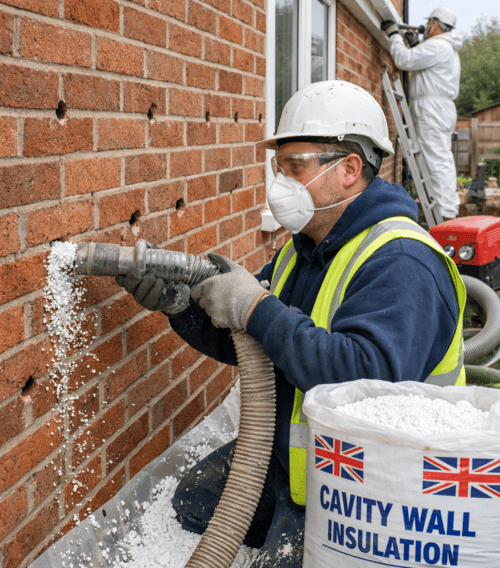
Many UK homes are built with cavity walls, where a wall is made of two layers: an external wall and an inner wall separated by an internal space. This gap was originally designed to prevent moisture penetration, but uninsulated cavity walls allow heat to escape easily.
Wall insulation involves filling the cavity to prevent warm air from escaping. This process works by filling the cavity space with insulation material, creating a thermal barrier that reduces heat loss and improves energy performance.
Energy Bills And How to Reduce Energy Costs
Uninsulated cavity walls are responsible for a large percentage of household heat loss. When heat escapes, heating systems must work harder, increasing energy bills and costs. By insulating cavity walls, homes require less energy to maintain comfortable indoor temperatures. This reduction leads directly to lower energy bills and energy consumption over time.
Heating Efficiency
Heating efficiency is a game-changer when it comes to reducing energy consumption and saving on utility bills. One of the most effective strategies to enhance this efficiency is through the implementation of cavity wall insulation. By filling the space between the walls of your home, this insulation serves as a barrier, preventing warm air from escaping in winter and keeping your living spaces cooler in summer. This not only leads to a cozier environment but also significantly cuts down on the energy required for heating and cooling.
The long-term benefits of cavity wall insulation extend beyond just comfort. Homeowners can enjoy a marked reduction in their carbon footprint, contributing positively to environmental sustainability. Research indicates that homes equipped with proper insulation can decrease heating bills by up to 35%, presenting a compelling case for those looking to invest in energy efficiency. In a world where every watt counts, making the move to enhance your home’s thermal efficiency is not just a luxury — it’s a smart, eco-conscious choice for the future.
How Cavity Wall Insulation Works in Practice
Cavity Wall Insulation acts as a thermal barrier, cleverly utilizing the space between the inner and outer walls of your home. This gap, often overlooked, is filled with insulating materials like foam, mineral wool, or polystyrene beads, which trap air and significantly reduce heat transfer. As a result, these materials don’t just keep your home warmer in the winter; they help maintain a comfortable temperature in summer too, leading to more consistent energy usage throughout the year.
In practice, the benefits of Cavity Wall Insulation extend beyond mere temperature control. By reducing the amount of energy required for heating and cooling, homeowners can see a substantial drop in utility bills, offering a quick return on investment. This insulation method also contributes to better indoor air quality, as sealed cavities can minimise moisture build-up and deter mould growth. This dual advantage not only protects your property but also promotes a healthier living environment, making it a smart choice for eco-conscious homeowners.
Types of Insulation Suitable And Used in Cavity Walls
Cavity wall insulation plays a crucial role in enhancing energy efficiency in homes, significantly lowering heating bills. One popular type is
Polyurethane Foam: Polyurethane foam, known for its excellent thermal performance and air sealing abilities. This rigid, spray-in solution fills voids effectively, preventing heat loss and moisture accumulation.
Mineral Wool: Another effective option is mineral wool, which not only provides thermal insulation but also acts as a fire barrier, adding an extra layer of safety to your home.
Recycled Paper Cellulose: For a more eco-friendly alternative, consider recycled paper cellulose. Treated for pest resistance, this sustainable material minimises environmental impact while still delivering exceptional insulation values.
Expanded Polystyrene Panels {EPS}: Additionally, expanded polystyrene (EPS) panels are often used due to their lightweight nature and ease of installation, making them suitable for both new builds and retrofitting projects.
Selecting the right type of cavity wall insulation depends on various factors, including local climate, building design, and personal sustainability goals, allowing homeowners to tailor their choices to maximise comfort and efficiency.
Installation – What to Expect
When embarking on the journey of cavity wall insulation, it’s essential to understand the process and set realistic expectations. The installation generally begins with a comprehensive evaluation of your walls, ensuring that they are suitable for insulation. Professionals will assess the existing wall structure, looking for potential moisture issues or air leaks that might impede the effectiveness of the insulation. This preparatory step not only guarantees an efficient install but also lays the groundwork for enhanced energy efficiency in your home.
Once the assessment is complete, the actual installation is fairly straightforward. Technicians will drill small holes into the outer wall, usually spaced about a meter apart. They then inject insulation material into the cavity, ensuring complete coverage while taking care to minimize disruption to your living space. Before you know it, your home is encased in a snug layer of insulation, designed to keep your interior comfortable and drafts at bay. It’s worth noting that post-installation, homeowners often experience a significant drop in energy bills, not to mention the boost in overall comfort. Installation is usually completed in a single day with minimal disruption.
Solid Wall and External Wall Considerations
Homes with solid wall construction require different solutions, such as external wall insulation. External wall insulation may be considered where cavity insulation cannot be installed. When considering solid walls versus external walls for your property, it’s crucial to understand the nuances that can significantly impact energy efficiency and comfort. Solid walls, often found in older buildings, tend to have less thermal resistance compared to their cavity wall counterparts.
External wall treatments can enhance the visual appeal while providing much-needed insulation. Options like render or cladding don’t just beautify; they also create additional insulation layers, protecting your home from the elements. It’s essential to consider moisture management in both cases, as improper installation can lead to damp issues. By weighing the merits of solid versus external wall solutions, homeowners can make informed decisions that elevate energy efficiency and home comfort while preserving or even enhancing property value.
Is Cavity Wall Insulation Right for Your Home?
Cavity wall insulation depends on the condition of the cavity, exposure to weather, and whether the cavity walls are already insulated. Insulation doesn’t work effectively if blocked or damp. A professional survey ensures cavity wall insulation offers maximum effectiveness and avoids moisture-related issues going forward.
Homes built before the 1920s often lack cavity walls and might require different solutions. Factors like moisture levels and ventilation are essential; improperly installed cavity wall insulation can trap dampness, leading to mold and structural issues. Engaging with professionals for a thorough assessment can illuminate whether this solution aligns with your home’s unique needs, ultimately guiding you toward a more sustainable and comfortable living space.
Common Myths About Cavity Wall Insulation
Cavity Wall Insulation (CWI) often faces a barrage of misconceptions that can deter homeowners from making a wise investment. One prevalent myth is that CWI leads to damp issues in homes. In reality, when installed correctly, cavity wall insulation is designed to keep moisture out, effectively managing temperature and humidity levels. In fact, modern insulation materials are specifically engineered to repel water, ensuring that your walls remain dry and structurally sound.
Another common misunderstanding is that CWI is a one-size-fits-all solution. Every home is unique, and factors such as wall type, construction age, and local climate play pivotal roles in determining the suitability of insulation. Professional assessments can identify the best insulation methods tailored to your specific needs, maximising energy efficiency and comfort. Moreover, many homeowners believe that once installed, CWI requires no upkeep; however, periodic checks can help maintain its effectiveness and longevity, ensuring that your investment continues to pay dividends over time.
Energy Efficiency, Energy Saving Trust, and Certification
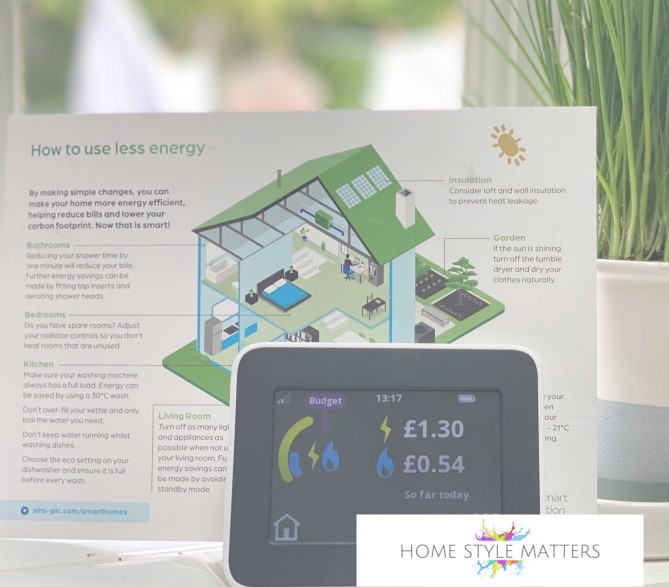
Energy efficiency is more than just a buzzword; it represents a transformative approach to how we consume and conserve energy in our homes and businesses. The Energy Saving Trust has become a pivotal resource in promoting energy efficiency across the UK. With detailed guidelines and expert advice, they empower consumers to make informed decisions about energy-saving upgrades, including the crucial step of obtaining proper certification. Such credentials not only assure homeowners of the quality of work but also enable them to unlock potential government incentives and rebates. By prioritising certified installations, such as cavity wall insulation, consumers ensure they are receiving the best possible energy-saving solutions, setting a standard for excellence in energy efficiency. This improvement is reflected in the Energy Performance Certificate, a document beneficial for homeowners when selling or renting out the property.
Costs, Grants, and Energy Schemes
Investing in cavity wall insulation not only enhances your home’s energy efficiency but can also lead to significant financial savings over time. The initial costs may seem daunting, typically ranging from £500 to £1,500, but consider this as a long-term investment. With the right energy schemes, many homeowners find that these expenses can be drastically reduced through grants and government incentives aimed at improving household energy standards. For example, schemes like the Energy Company Obligation (ECO) provide financial support for lower-income households, significantly offsetting upfront costs.
As energy prices continue to rise, the value of cavity wall insulation becomes increasingly apparent. It can reduce heating bills by up to £300 annually, making your home more sustainable and economically viable. Additionally, the move towards greener living is supported by various local initiatives encouraging energy-saving projects. Studies show that homes equipped with proper insulation are not only cheaper to maintain but also enjoy higher property values, making cavity wall insulation a savvy choice for both your wallet and the environment. With this blend of financial incentives and sustainable benefits, now is the perfect moment to consider upgrading your home.
Why Cavity Wall Insulation Is a Smart Home Improvement
Cavity wall insulation contributes to sustainability by lowering your carbon footprint. The less energy you use for heating, the fewer fossil fuels are burned, which is a win for both your wallet and the planet. Many homeowners fail to realise that proper insulation can also minimise issues like dampness and condensation, leading to a healthier living environment. As more people seek eco-friendly solutions, investing in cavity wall insulation positions your home as both a practical and responsible choice.
Conclusion
Cavity wall insulation presents a practical and cost-effective approach to enhancing your home’s energy performance. With benefits that include increased warmth, reduced energy consumption, and lower utility bills, it’s a smart choice for any homeowner looking to make impactful improvements. Furthermore, the installation process has become more straightforward, making it more accessible than ever. Don’t wait any longer; consider speaking to a professional about how cavity wall insulation can transform your living space today!