Lawn Issues And How To Rectify
Table of Contents
Even well-maintained gardens can develop lawn issues and problems. A lush grassy area doesn’t happen by accident, but the good news is that most issues can be identified early and corrected with the right approach. Let us walk through the most common problems homeowners face and provide practical, expert-backed solutions to restore it to its best condition.
Common Lawn Issues and Diseases
The most common problems develop due to poor soil health, incorrect mowing or environmental conditions such as shaded areas and standing water. When your lawn is looking unhealthy, it is often a sign that the turf needs attention.
Some of the most common issues affecting the whole or specific areas include:
- Weed growth
- Moss is spreading across the grass
- Patchy or thinning turf
- Brown or yellow patches
- Lawn diseases caused by fungus
- Pests such as the mole
Knowing the cause allows you to properly treat the damage and restore it to a healthy condition.
Weed Problems and Care Solutions
A weed can quickly take over your lawn if conditions allow it, making the area look uneven and unsightly.
Why Weeds appear
Weeds usually appear when:
- The lawn becomes thin or patchy
- Soil nutrients are low
- The grass is too short due to incorrect mowing
- Poor lawn maintenance
How to fix Weed problems
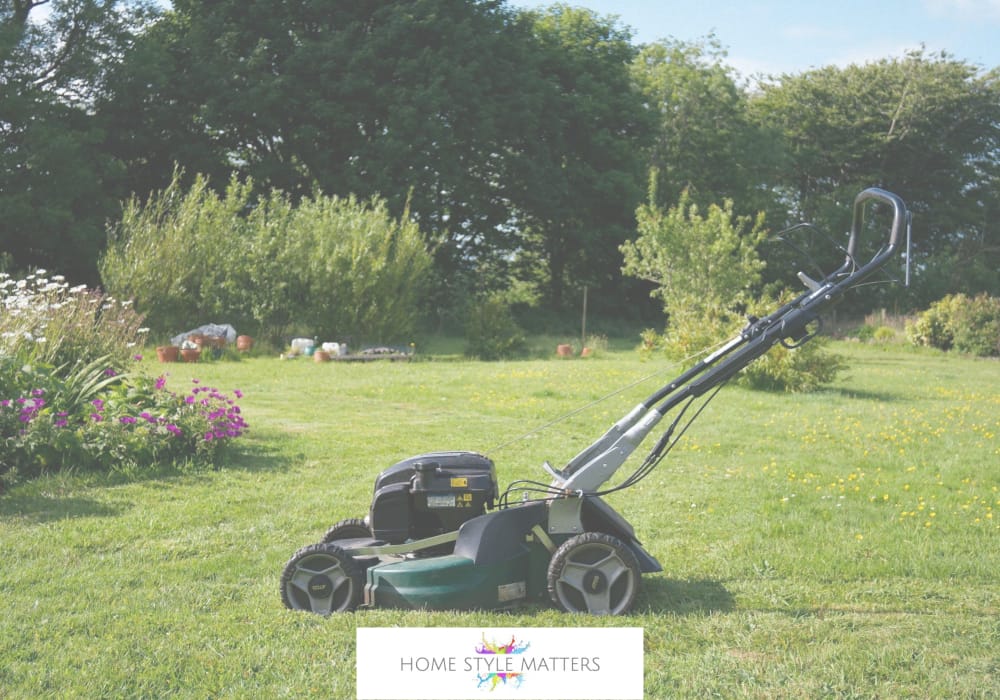
- Mow your lawn regularly using a suitable mower height
- Avoid scalping when cutting
- Apply a balanced fertiliser or grass feed containing nitrogen and potassium
- Overseed thin areas using quality grass seed
A dense Turf acts as the best defence against weed invasion.
How to Prevent Damage by Moss
Moss thrives in damp conditions, particularly in shaded areas where grass struggles to grow.
If left untreated, it will spread across your lawn and weaken the surrounding Turf.
Causes of Moss
- Compacted soil
- Low nutrients
- Excess moisture
- Poor drainage
How to fix moss
To remove Moss and prevent further issues:
- Rake the lawn to remove dead grass and Moss.
- Carry out aeration to loosen compact ground.
- Aerate the soil in Spring and Autumn.
- Apply a suitable fertiliser.
These steps will improve drainage and help the lawn to become thicker.
Patchy Lawn With Dead Patches
A patchy lawn can appear due to drought, heavy traffic, or dog urine.
How to repair bare patches
To repair bare patches effectively:
- Rake away dead grass from the affected areas.
- Loosen the soil to avoid compacted soil.
- Apply fresh topsoil and sow grass seed.
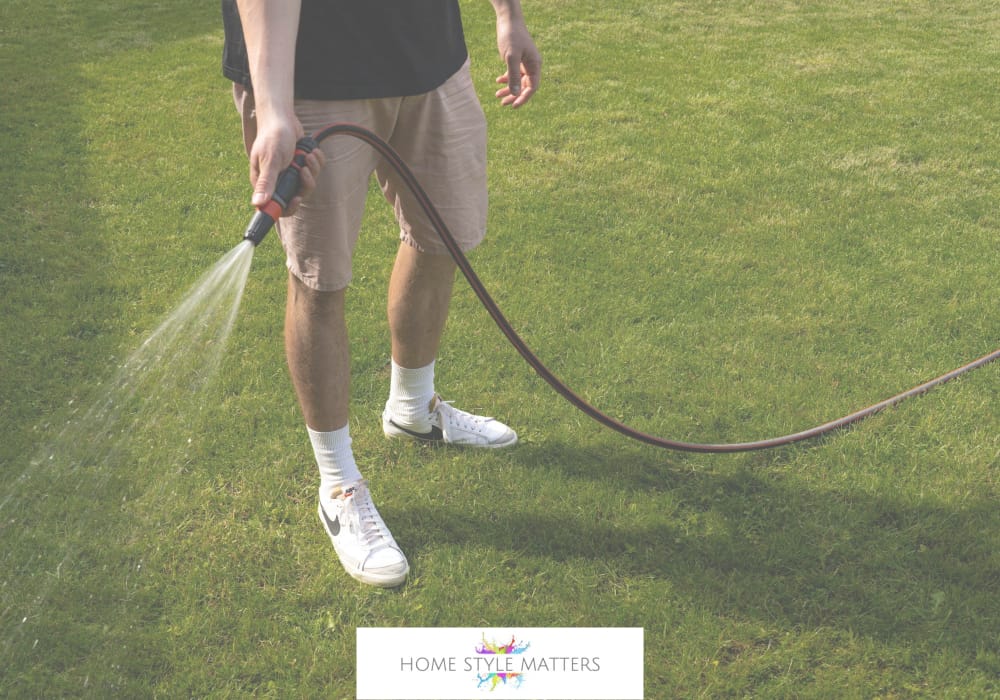
- Water the lawn regularly to encourage new grass.
For larger areas, laying new Turf may be necessary to restore the whole grass area.
Diseases, Fungus and Brown Patches
Many lawn diseases are caused by fungus, which thrives in damp conditions.
Common lawn diseases
Some common diseases include:
- Red thread
- Dollar spot
- Other fungal diseases affecting Turf
These conditions often cause brown or yellow patches in your lawn.
How to treat lawn diseases
To control lawn diseases:
- Improve drainage and airflow
- Avoid leaving clippings on the lawn
- Maintain regular mowing practices
- Use specialist treatments
A professional gardener can help identify severe fungal infections.
Thatch Build Up
Thatch is a layer of organic debris and grass clippings that builds up between the soil and Turf.
Too much Thatch prevents water and nutrients from reaching the roots.
How to manage Thatch
- Rake the area annually
- Scarify during Autumn
- Maintain regular care routines
This will help give better access to nutrients.
Poor Drainage
When soil becomes compact, water struggles to move through the ground, leading to poor drainage. Standing water can cause lawn diseases and weak Turf growth.
Improve drainage
- Carry out aeration to loosen the soil
- Add sand-based top dressing
- Avoid leaving your lawn heavily compacted by traffic
Good drainage keeps the lawn in the best condition.
Seasonal Care and Preparing the Lawn for Winter
Seasonal maintenance is key to keeping your lawn strong throughout the year.
Winter preparation
During Autumn, you should:
- Mow slightly higher than usual
- Apply an Autumn fertiliser
- Reduce traffic on the lawn
Preparing your grass for winter helps ensure it returns strong in spring and looks its best all year.
When to Call a Professional
While many issues can be solved with DIY care, some situations benefit from professional expertise, particularly when dealing with:
- Severe drainage issues
- Persistent disease
- Large areas of damage
- Complete renovation
Professional Specialists can assess soil health, recommend targeted treatments, and restore your lawn efficiently.
Conclusion
Addressing lawn issues promptly can transform your outdoor space and enhance its overall appeal. Early detection is key to maintaining a vibrant lawn, and regular maintenance can also promote strong growth. A lush grassy area doesn’t happen by accident, but the good news is that most issues can be identified early and corrected with the right approach.