
October Gardening Jobs: How to Prepare Your Garden for Winter
Table of Contents
As temperatures fall and daylight hours shorten, now is the perfect time to prepare your garden for winter. October is a beautiful month in the garden, but it’s also an important time to get organised before colder weather arrives.
From planting spring-flowering bulbs and caring for your lawn to protecting tender plants and providing shelter for wildlife, there are plenty of October gardening jobs to tackle. If you’re catching up with jobs from last month, our September garden tasks guide is a useful place to check whether there’s anything you may have missed. So, before the garden slips into its winter dormancy, here are the essential tasks to add to your gardening to-do list this month.
Keep on Top of Fallen Leaves
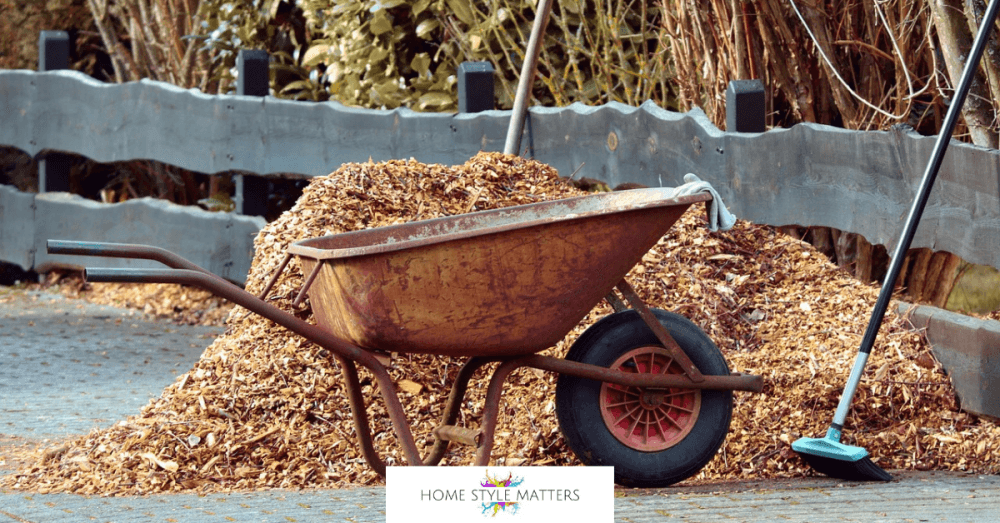
Regularly remove fallen leaves from lawns, paths, patios, drains and other areas where they could become slippery or cause problems. However, don’t regard autumn leaves simply as garden waste, as they can be extremely useful.
Add suitable leaves to a dedicated leaf-mould pile or container. Over time, they will break down into a valuable soil improver. You can also leave some natural leaf litter in appropriate areas of the garden, where it can provide shelter and habitat for wildlife over winter. For more ideas, see our guide on how to make the most of autumn leaves in the garden.
A tidy lawn and pathway can happily coexist with quieter, less-managed areas that provide useful wildlife habitat.
Tidy Borders – But Don’t Over-Tidy Them
It can be tempting to give the garden a thorough tidy in October, but there’s no need to cut back every herbaceous perennial as soon as it starts to die down.
Remove clearly dead, diseased or mushy growth where necessary, but consider leaving attractive seedheads and standing stems in place over winter. These can provide valuable food and shelter for garden wildlife, as well as adding structure and interest to the garden during the colder months.
If you’re unsure what should be cut back at this time of year, our guide to autumn pruning looks at how seasonal pruning can help keep your garden healthy.
Aim for a balance between removing material that could cause problems and leaving suitable plants undisturbed until spring.
Add Winter Colour with Pansies

October is a good time to add winter pansies to containers, borders and hanging baskets for a welcome splash of colour during the colder months. These hardy plants can cope with cooler weather and, in the right conditions, will continue flowering through autumn and winter and into spring.
Remove faded flowers regularly to encourage further blooms, and make sure containers have good drainage to prevent the roots sitting in water during periods of heavy autumn and winter rain.
Plant Spring-Flowering Bulbs
If you want your garden to burst into colour after winter, now is the time to think ahead. Our guide to the best time to plant spring bulbs explains when to plant different varieties for a colourful spring display.
Daffodils, crocuses, hyacinths and other spring-flowering bulbs can be planted during autumn, while tulips are generally better planted later in the season. Bulbs can be planted in borders and containers or, where suitable, naturalised in areas of grass. They can also provide an important early source of nectar for pollinating insects when relatively few other flowers are available.
October Bulb Checklist
- Choose firm, healthy bulbs without signs of mould or damage.
- Prepare the soil by removing weeds and large stones.
- Plant bulbs at the recommended depth for the variety.
- Consider planting bulbs in groups for a more natural display.
- Add spring bulbs to pots if you have limited garden space.
- Remember that tulips are generally better planted later in autumn.
You don’t need a large garden to enjoy spring bulbs. A few containers filled with bulbs can make a colourful addition to a patio, balcony or front doorstep.
Divide Overcrowded Perennials
If established herbaceous perennials have become overcrowded or have stopped flowering as well as they once did, October can be a useful time to consider dividing them. Dividing plants can help rejuvenate established clumps while also giving you new plants to use elsewhere in the garden.
If you’re looking to add more seasonal interest to your borders, take a look at our guide to perennials for your autumn garden.
Choose a suitable day when the ground isn’t excessively wet. Lift the plant carefully, divide the rootball as appropriate for the species and replant healthy sections into prepared soil.
Always check the requirements of individual plants before dividing, as not every perennial should be treated in exactly the same way.
Prepare Your Soil for Spring
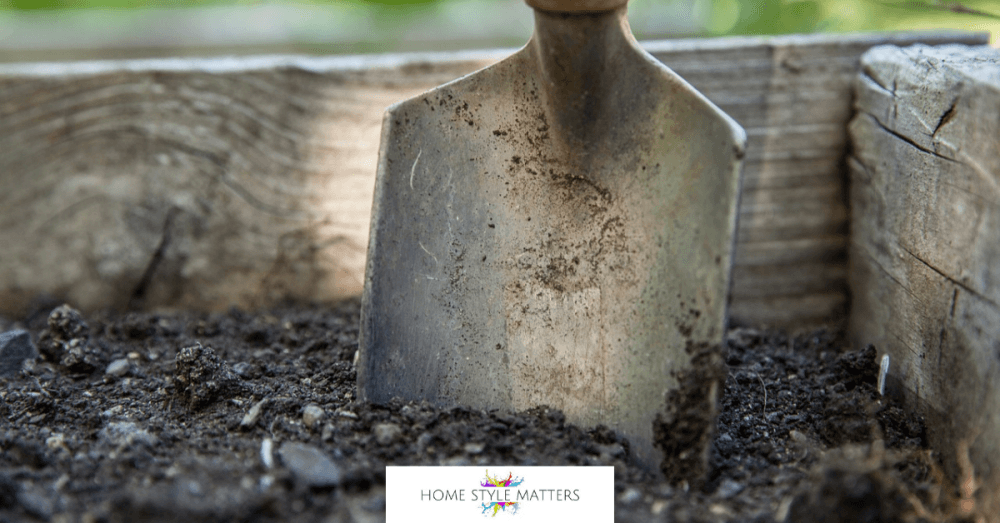
October is a good time to give your soil some attention before winter. Adding well-rotted manure, garden compost or other suitable organic matter to your beds and borders can help improve soil structure and provide nutrients for future growth.
Spread organic matter over the surface of established beds or incorporate it when preparing new planting areas, depending on your soil and what you plan to grow. Over the coming months, worms and other soil organisms will gradually help incorporate organic matter into the soil.
A little work now can help create healthier growing conditions when the garden starts coming back to life in spring.
Mulch Garden Beds
Adding a layer of mulch around trees, shrubs and established plants can help protect the soil during colder weather, suppress weeds and retain moisture.
Suitable garden mulches include well-rotted garden compost, leaf mould and bark or wood chippings, depending on where you are using them. Apply mulch to moist, weed-free soil and avoid piling it directly against plant stems or tree trunks.
Autumn mulching can also improve the soil gradually as organic materials break down, helping to prepare your beds and borders for the growing season ahead.
Protect Tender Plants Before the First Frost
October is the month when gardeners should start thinking seriously about frost protection. Move tender plants that have been enjoying the summer outdoors into a greenhouse, conservatory or another suitable sheltered location where appropriate.
Depending on the plant, winter protection might include:
- Moving pots into a sheltered position.
- Bringing tender plants indoors.
- Using horticultural fleece.
- Protecting vulnerable containers.
- Checking greenhouse heating and ventilation.
- Raising pots away from particularly cold or wet ground.
Before colder weather arrives, check any horticultural fleece, cloches and other winter protection you already have stored away. Look for tears, damage or missing parts so you have time to repair or replace anything you may need before the first significant frost.
Don’t wait until a hard frost is forecast if you have plants that are particularly vulnerable. Check the individual requirements of your plants, as not every variety needs the same level of winter protection.
Vegetable Garden Jobs
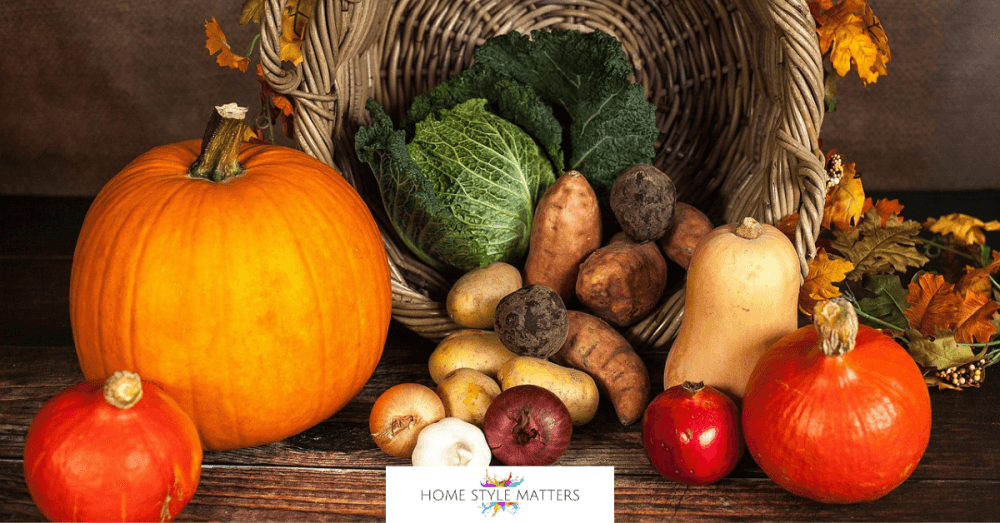
There’s still plenty to do in the kitchen garden during October. Depending on what you grow and where you live in the UK, this month can bring some of the final harvests of the year while also providing an opportunity to plant crops for the months ahead.
Keep harvesting mature fruit and vegetables rather than leaving them unnecessarily exposed to increasingly wet and cold conditions. October is also a good time to think ahead by planting crops such as garlic, finishing the planting of overwintering onion sets and planting out spring cabbages.
Harvest the Last of Your Fruit and Vegetables
Depending on what you grow and where you live, October can be a good time to harvest crops including apples, pears, grapes, nuts, pumpkins and squash.
Keep an eye on the weather and harvest mature crops regularly rather than leaving them unnecessarily exposed to increasingly wet and cold conditions. Once crops have finished, clear away healthy spent plant material ready for composting.
Some crops can remain in the ground for longer, so check the requirements of individual fruit and vegetable varieties rather than feeling you need to clear the entire kitchen garden at once.
Make the Most of Your Compost Bin
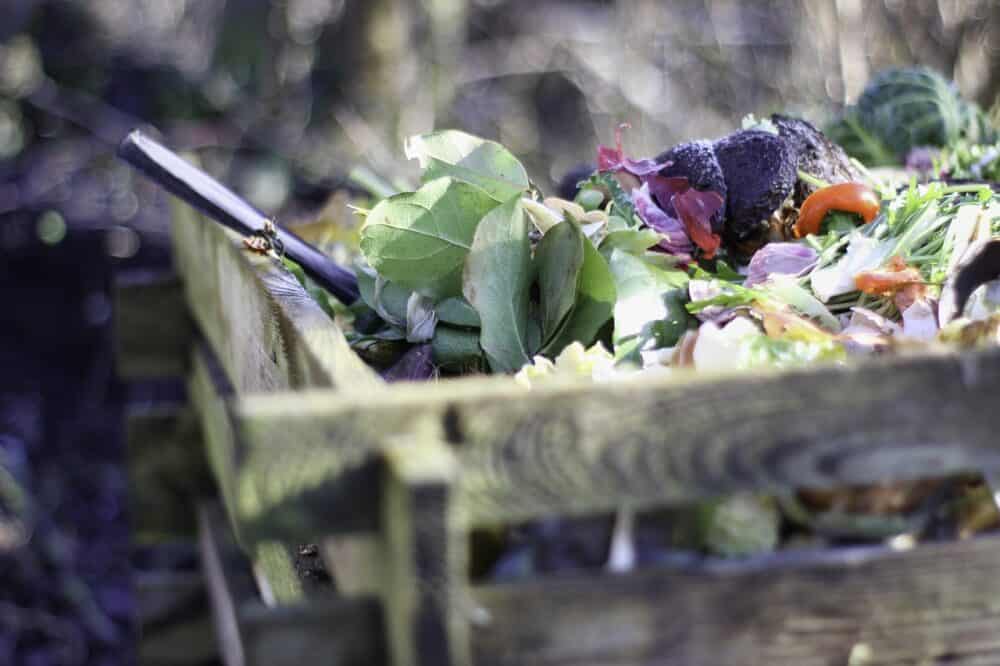
October provides plenty of compostable material, including suitable fallen leaves, spent annual plants and healthy vegetable garden waste, so don’t automatically throw everything into the general waste bin.
A healthy compost heap benefits from a mixture of softer green material and drier brown material. Add suitable garden waste as you clear beds and borders, and turn the compost heap when appropriate to encourage decomposition.
Take a little care before disturbing an established compost heap, however, as it may already be providing shelter for overwintering wildlife.
Once ready, homemade compost can be used to improve your soil, mulch beds and borders or add organic matter to future planting areas.
Sow Green Manures on Empty Beds
If you have cleared areas of your vegetable garden, consider sowing a green manure rather than leaving the soil bare over winter. Green manures can help protect the soil surface, suppress weeds and, depending on the variety chosen, add valuable organic matter when they are eventually cut down and incorporated into the soil.
Choose a green manure that is suitable for the time of year, your soil and how long the bed will remain empty. Remember to allow enough time to deal with it before you need the space for spring planting.
Don’t Forget the Wildlife
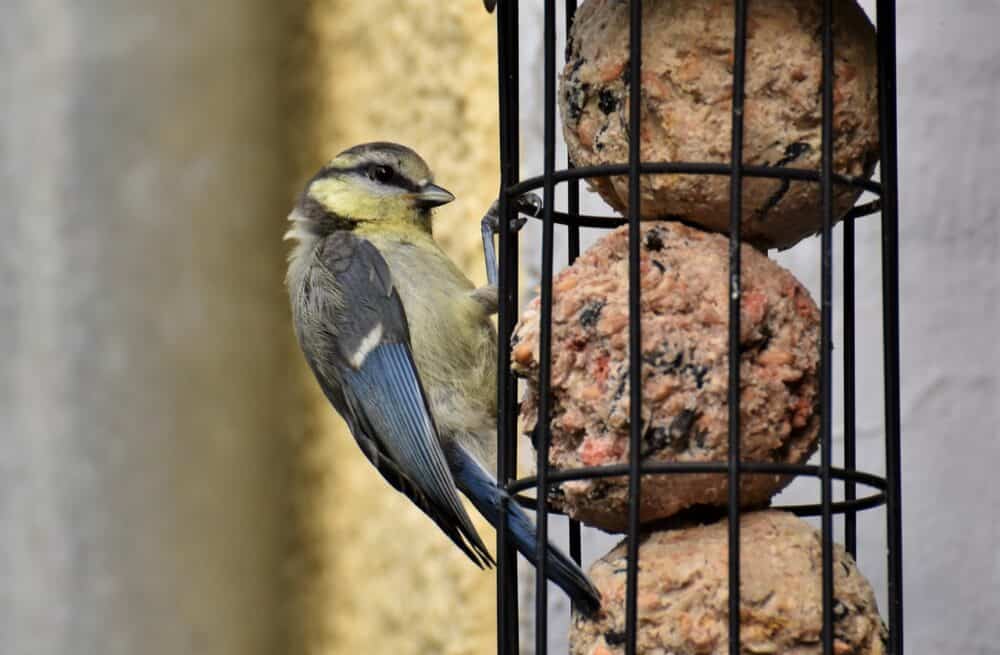
An autumn garden can be an important refuge for wildlife, so resist the temptation to make every border perfectly tidy. Seedheads can provide food, while piles of leaves, logs and other natural materials can offer valuable shelter during the colder months.
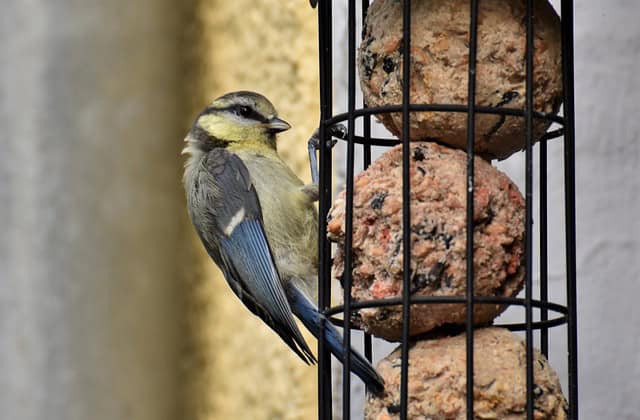
October is also a good time to clean bird feeders and keep them topped up as natural food sources become less plentiful. Remember to provide fresh water too, particularly during colder or drier periods.
If you have a pond, regularly remove excessive fallen leaves before they build up in the water. Take care when removing pond debris and leave it beside the pond for a short time where practical, giving small creatures an opportunity to return to the water.
A wildlife-friendly garden doesn’t have to look untidy. You can combine well-maintained areas with smaller sections deliberately left more natural.
Check Gutters, Water Butts and Garden Drainage
Before heavier autumn and winter rainfall arrives, take some time to inspect water butts, gutters and drainage around sheds, greenhouses and other garden structures.
It’s also worth checking the areas around your property before the weather deteriorates; our guide to protecting your home and garden for the autumn change of weather covers some of the other seasonal jobs to consider.
Clear away fallen leaves and other debris that could cause blockages, and clean water butts where necessary, so they are ready to collect increased autumn rainfall. Hoses and irrigation equipment can also be drained and stored before freezing weather arrives.
October Drainage Checklist
- Check gutters for fallen leaves and blockages.
- Make sure downpipes are flowing correctly.
- Check that water butts are secure and working properly.
- Clear leaves and debris from garden drains.
- Drain and store hoses and irrigation equipment when they are no longer needed.
- Protect outdoor taps where necessary.
A few simple checks now can help prevent avoidable problems during a wet or freezing winter.
Prepare Your Greenhouse for Winter
If you have a greenhouse, autumn is a good time to give it some attention before temperatures fall further. Clean the glass to maximise the available winter light and remove dead or diseased plant material.
Check for broken panes, damaged seals and loose or missing glazing clips, and make any necessary repairs before winter weather arrives. Make sure ventilation is working correctly too, as good airflow remains important during the colder months.
If you have tender plants that need protection over winter, move them into the greenhouse in good time rather than waiting until a hard frost is forecast.
Look After Your Garden Tools
October is a good time to clean and maintain your garden tools before they are stored away for winter. Remove soil and mud from spades, forks, secateurs and hand tools, then dry metal surfaces thoroughly and check for signs of rust or damage.
Sharpening tools where necessary can make next year’s gardening jobs easier, while servicing lawnmowers and other powered garden equipment before winter can help you get ahead of the spring rush.
Check handles, cables, blades and moving parts for signs of wear too, and repair or replace anything that could become unsafe or unreliable.
Give Your Lawn Some Autumn Care
Your lawn may have survived a busy summer, but October is an important opportunity to improve its condition before winter. Remove fallen leaves regularly, as a thick layer can block light from reaching the grass. Those leaves can then be put to good use making leaf mould.
If conditions are suitable, October can also be a good time for lawn maintenance such as scarifying and aerating. Avoid working on ground that is waterlogged, very wet or frosty, as this can do more harm than good.
Grass can continue growing during mild autumn weather, so your lawn may still need occasional mowing. Raise the cutting height slightly compared with summer rather than giving it a very short cut.
If your lawn needs feeding, choose a suitable autumn lawn feed rather than using leftover nitrogen-rich summer fertiliser, which can encourage soft growth at the wrong time of year.
Plant Trees, Shrubs and Hedges
October can be a good time to plant a range of trees, shrubs, roses, climbers and hedging. The soil is often still warm enough to encourage root establishment, while autumn weather can provide useful moisture as new plants settle into their surroundings.
If you’re planning a new hedge or want to add more structure to your garden, think carefully about the position before buying new plants.
Consider:
- The mature size of the plant.
- Your soil type.
- The amount of sunlight and shade.
- Drainage.
- Exposure to wind.
- The space available.
- How much ongoing maintenance you want to undertake.
Choosing the right plant for the right position is one of the simplest ways to reduce potential gardening problems later.
Getting Your Garden Ready for Winter
The secret is not to try to complete every gardening job in one weekend. October may signal the end of summer gardening, but there is still plenty to do outside before winter arrives.
Work through your October gardening jobs gradually, prioritising anything that needs attention before the first frosts or prolonged wet weather. Planting spring bulbs, protecting tender plants, caring for your lawn and soil, clearing drainage and creating spaces for wildlife can all help your garden through the colder months.
With a little preparation now, your garden will be better equipped to face winter – and you’ll already have laid the foundations for a colourful and productive spring.
Updated: October 2026