
The Surprising New Regulations Impacting Goldfish as House Pets
Table of Contents
Across several regions, new and evolving animal welfare regulations are reshaping how goldfish can be kept, sold, and cared for. Goldfish have long been seen as the ultimate “easy” pet—low maintenance, inexpensive, and perfect for beginners. But that perception is quickly changing. If you’re a current or prospective goldfish owner, these changes may directly affect you. This article breaks down what’s happening, why it matters, and how to stay compliant—while giving your fish a healthier, longer life.
Why Are Goldfish Regulations Changing?
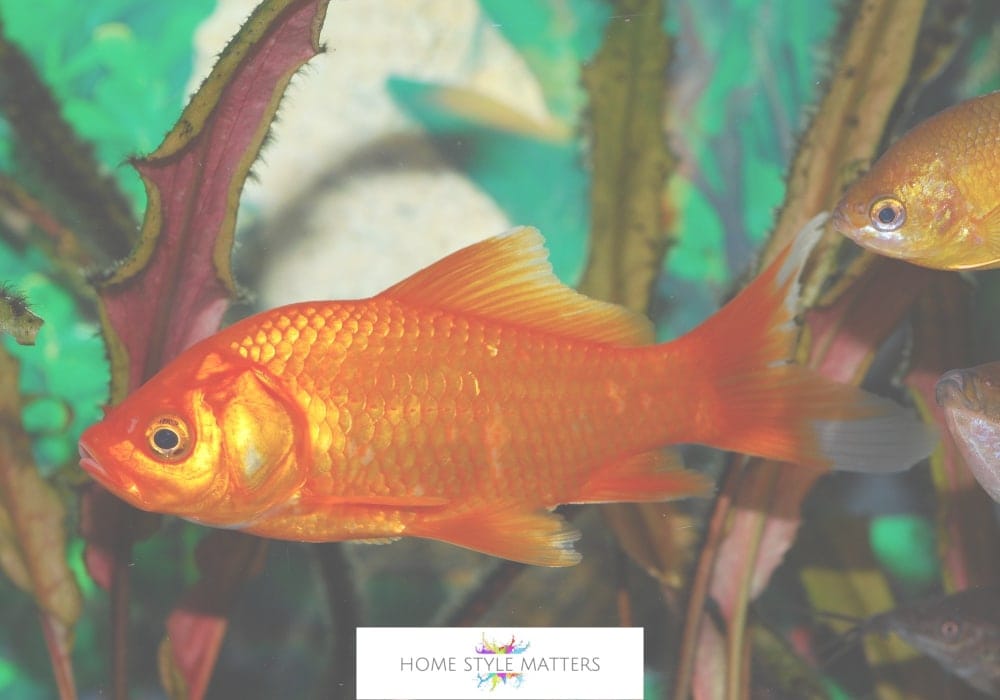
In recent years, animal welfare organizations and veterinary experts have pushed back against outdated myths about goldfish care. The idea that goldfish can thrive in small bowls with minimal filtration has been widely debunked.
Scientific understanding now shows that:
- Goldfish can live 10–20 years with proper care
- They produce significant waste, requiring strong filtration systems
- They grow much larger than most people expect
As a result, regulators are stepping in to ensure that goldfish are treated more like long-term companion animals rather than disposable pets.
Key Regulations You Need to Know
1. Minimum Tank Size Requirements
One of the most impactful changes is the introduction of minimum tank size guidelines.
In several jurisdictions:
- Fishbowls are being discouraged or outright banned
- A minimum of 40–75 liters (10–20 gallons) per goldfish is now recommended or required
- Additional fish require even more space
This shift reflects a broader recognition that cramped environments lead to stress, disease, and shortened lifespans.
2. Ban on Goldfish as Fair Prizes
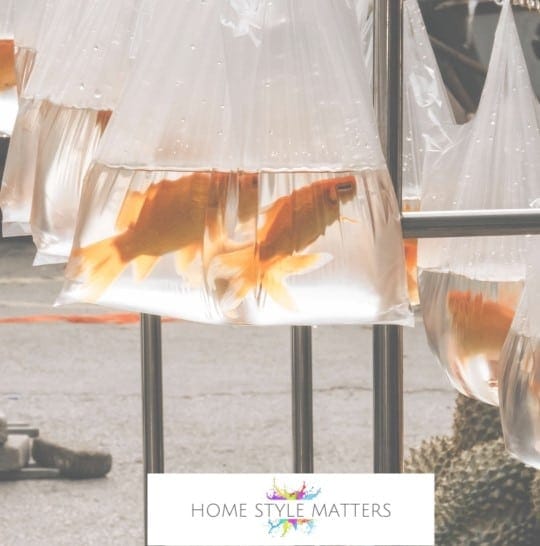
Giving away goldfish at fairs or carnivals is increasingly being restricted. Why?
- Low survival rates due to poor post-event care
- Impulse ownership without proper preparation
- Ethical concerns about animal treatment
Many local governments now prohibit this practice entirely or require strict welfare conditions.
3. Retailer Responsibility Laws
Pet shops are facing tighter regulations on how goldfish are sold.
These may include:
- Mandatory care information provided at purchase
- Restrictions on selling goldfish with small bowls
- Staff training requirements on aquatic animal welfare
For buyers, this means better guidance—but also potentially stricter purchasing conditions.
4. Water Quality and Welfare Standards
Some regions are introducing enforceable standards for:
- Water filtration systems
- Oxygenation levels
- Regular tank maintenance
Owners may be legally required to maintain conditions that prevent suffering—similar to laws already applied to other pets.
How These Changes Affect You
If you already own a goldfish, you may need to upgrade your setup to stay compliant. This could involve:
- Investing in a larger tank
- Installing a proper filtration system
- Monitoring water parameters regularly
For new owners, the barrier to entry is higher—but for good reason. These rules ensure that goldfish are kept in environments where they can genuinely thrive.
The Hidden Benefits of These Regulations
While some may see these changes as restrictive, they actually offer major advantages:
Healthier Fish
Proper environments drastically reduce disease and mortality rates.
Lower Long-Term Costs
Healthier fish mean fewer vet visits and replacements.
More Rewarding Pet Ownership
Goldfish display more natural behaviours—and even personality—when kept in suitable conditions.
Goldfish and the Ecosystem – A Growing Freshwater Concern
Goldfish are no longer just harmless pets—they are now at the centre of a growing ecosystem crisis. Once confined to bowls and backyard ponds, these familiar fish are increasingly becoming invasive, disrupting delicate freshwater ecosystems. What starts as a simple act by well-meaning pet owners can quickly turn into a large-scale ecological issue. A recent study published in the Journal of Animal Ecology highlights how, once released into the wild, the fish can dramatically alter an ecosystem. Researchers have provided experimental evidence showing that introduced goldfish can trigger a regime shift in lakes and ponds. This shift pushes ecosystems from clean, balanced environments into murky, degraded conditions.
Freshwater Ecosystems at Risk
Invasive goldfish pose serious risks to freshwater ecosystems. These fish disturb bottom sediments while feeding, which reduces water quality and releases nutrients into the water. This process clouds lakes and ponds and disrupts the natural balance. The study shows that goldfish may consume small invertebrates like amphipods and zooplankton—organisms that form the foundation of the food web. When these invertebrates that form the foundation disappear, native species struggle to survive. This creates cascading ecological consequences across entire ecosystems. Native fish species, aquatic plants, and even wild animals that depend on these habitats are affected. In nutrient-poor and nutrient-rich waters alike, goldfish can push ecosystems toward a tipping point.
The Wetland and Pond Impact
Freshwater ecosystems are among the most valuable natural resources on Earth. From small ponds to large lakes, these environments support biodiversity, fisheries, and healthy aquatic life.
However, invasive species like goldfish threaten these systems. The ecological damage includes:
- Disruption of the food web
- Decline in native species
- Increased sediment and reduced water clarity
- Long-term degradation of aquatic habitats
These effects are especially concerning in wetland areas, where even small ecological shifts can have widespread consequences.
What Pet Owners Must Know
Pet owners play a critical role in preventing this issue. Releasing pet goldfish or any pet fish into the wild is never a humane solution. While it may feel like an act of kindness, it often leads to suffering for the fish and harm to the environment. Goldfish are not suited to survive naturally in many wild conditions, and those that do survive can become pests that will harm freshwater habitats.
Instead, responsible options include:
- Rehoming through local communities or aquarium groups
- Returning fish to pet stores when possible
- Consulting animal care professionals for humane alternatives
It is essential to understand the ecological risks posed by releasing goldfish into the wild and to protect freshwater systems for future generations.
Conclusion
Goldfish are no longer being treated as “starter pets”—and that’s a good thing. These new regulations reflect a growing awareness that all animals, no matter how small, deserve proper care and humane treatment. By staying informed and adapting to these changes, you’re not just complying with the law—you’re giving your goldfish the chance to live a longer, healthier, and more fulfilling life.