
Maximise Your Space – The Unexpected Advantages Of A Raised Bed
Table of Contents
A raised bed garden is one of the most effective ways to improve productivity and extend your growing season. Many home gardeners choose this method because it offers better soil control, improved drainage, and a more efficient gardening space for growing healthy crops.
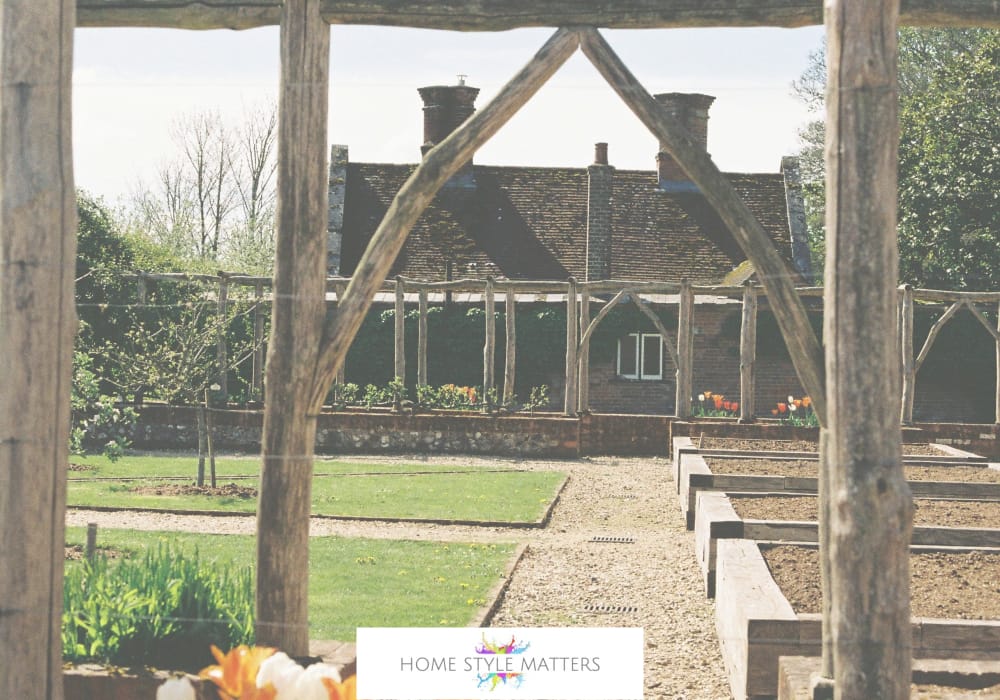
Raised Bed Garden Beds Improve Drainage and Soil Conditions
Poor drainage is a common issue in many gardens, especially in areas with heavy clay soil or compacted ground. Excess moisture can lead to root rot, waterlogging, and weak plant growth. Raised beds allow excess water to drain away naturally while maintaining proper moisture levels for healthy roots. The elevated structure also reduces compaction, creating loose soil conditions that help grow plants more effectively.
A raised garden bed filled with nutrient-rich garden soil can include:
- Compost
- Well-rotted manure
- Organic matter
- Topsoil
- Balanced soil mix
This combination creates better soil for a wide variety of plants and helps enrich the soil year after year. Because soil in raised beds is less compacted, roots can spread more freely, making it easier to grow more successfully.
Raised Garden Bed Systems Warm Up Faster in the Spring
One of the major advantages of raised bed gardening is that the soil tends to warm up faster in the spring in comparison to in-ground gardens. Since the raised bed is elevated above the surrounding ground, sunlight reaches more surface area and helps the soil warm evenly.
This allows gardeners to:
- Start growing earlier
- Get an earlier start on planting
- Protect young plants from cold conditions
- Plant earlier in the spring
- Extend your growing season
Many gardeners find that raised beds made from wood or metal warm up even faster, especially when placed in full sunlight. When the ground thaws naturally, it takes longer. Raised bed systems give gardeners the opportunity to plant earlier and enjoy an extended growing season.
Advantages of Raised Garden Beds for Vegetable and Flower Production
The advantages of raised beds go beyond temperature control. A raised bed garden provides a highly organised growing space that supports healthy crops and flowers and easier maintenance. Vegetables in raised beds often perform better because the soil remains loose, fertile, and well-drained. This creates ideal conditions for root development and nutrient absorption.
A vegetable garden using raised bed methods can help gardeners:
- Grow flowers and vegetables more efficiently
- Reduce weeds
- Prevent soil erosion
- Minimise rot and disease
- Increase harvest yields
- Improve access for planting and maintenance
Many home gardeners also appreciate that raised beds allow better spacing between crops and bulbs, improving airflow and reducing fungal issues. For those with limited outdoor space, a raised bed design can maximise productivity while creating an attractive, rooted garden layout.
Compost and Organic Matter Support Healthier Garden Soil
Adding compost and organic matter to a raised bed improves soil fertility and supports beneficial microbial life. Healthy garden soil is essential for long-term success.
Experienced gardeners often recommend adding:
- Compost each season
- Well-rotted manure
- Leaf mould
- Natural soil amendments
These materials enrich the soil naturally while helping the raised bed retain moisture without causing poor drainage. At the bottom of the bed, some gardeners add coarse material to improve drainage and prevent waterlogging during heavy rainfall. Because raised beds dry out more quickly than traditional in-ground plots, maintaining a healthy balance of organic matter is important for consistent plant growth.
Building Raised Beds for Better Gardening Space
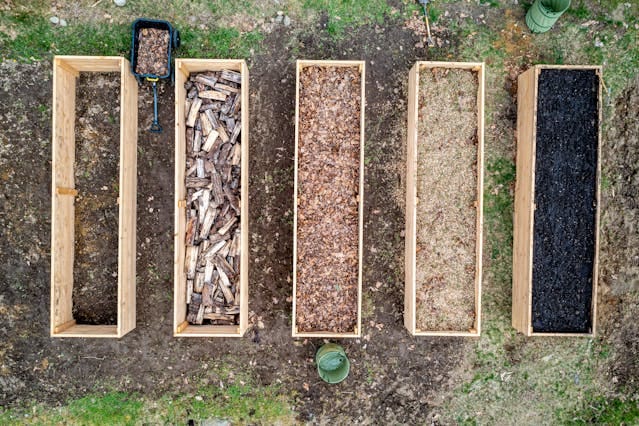
Building raised beds does not need to be complicated. Raised beds made from wood, stone, or metal can fit almost any gardening space.
A simple raised bed design should include:
- Quality materials
- Proper depth
- Good drainage
- Easy access for maintenance
- Enough room for root growth
Some gardeners prefer perennial herbs and flowers around the edges to create a productive and attractive garden environment. Raised bed systems also work well around trees and shrubs when carefully planned. For beginners learning through resources like Kitchen Garden Academy, raised beds are often recommended because they can improve overall gardening success.
Tips to Maximise Your Growing Season
To get the most from raised bed gardening, follow these expert recommendations:
Use Quality Soil: Invest in nutrient-rich, well-draining soil blends for consistent plant health.
Add Mulch: Mulch helps regulate soil temperature, conserve moisture, and reduce weeds.
Practice Succession Planting: Plant new crops immediately after harvesting previous ones to keep beds productive.
Install Covers Early: Be prepared for sudden temperature changes with frost covers or tunnels.
Monitor Soil Moisture: Raised beds can dry out faster, so consistent watering is essential.
Best Crops for Raised Bed Gardening
Certain plants thrive exceptionally well in raised beds and benefit from the longer growing season.
Cool-Season Crops
- Lettuce
- Spinach
- Peas
- Radishes
- Broccoli
- Kale
Warm-Season Crops
- Tomatoes
- Peppers
- Cucumbers
- Beans
By combining cool- and warm-season planting schedules, gardeners can enjoy continuous harvests for much of the year. Gardeners can quickly add:
- Row covers
- Cold frames
- Hoop tunnels
- Greenhouse plastic
- Frost blankets
Because raised beds are compact and organised, covering plants becomes simple and efficient. This added protection can extend your growing season by several additional weeks in both spring and fall.
Why Raised Beds Are Ideal for Home Gardeners
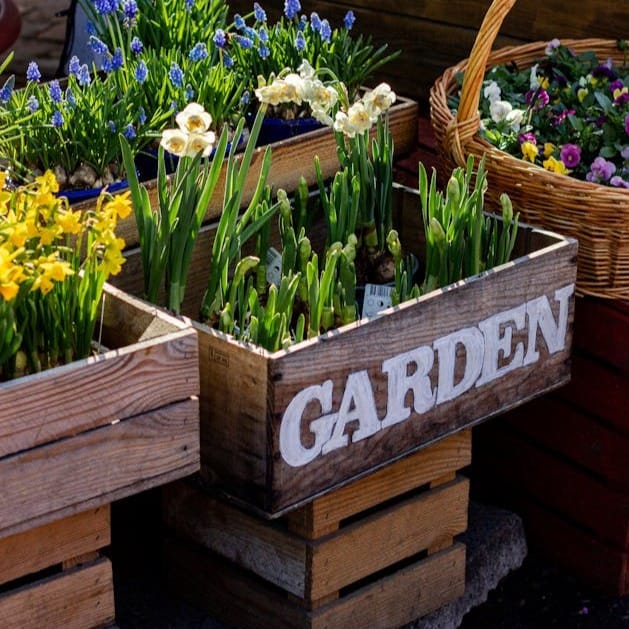
Home gardeners often choose raised bed systems because they offer practical solutions to common gardening challenges. From poor soil conditions to limited growing space, raised beds help create a more manageable and productive garden. Because raised beds allow better control over soil quality and moisture, gardeners can consistently grow plants with fewer problems than traditional in-ground methods.
A raised bed setup can:
- Reduce strain on the gardener
- Improve organization
- Encourage healthier crops
- Support a longer growing season
- Help maintain cleaner pathways
- Simplify seasonal maintenance
Conclusion
The advantages of raised bed gardening make it one of the best methods for creating a productive vegetable garden. Whether you want to start growing fresh produce, create a better gardening space, or enjoy a longer growing season, a raised garden bed offers a reliable and efficient solution.