Alternative Large Planter Drainage Materials to Consider
Table of Contents
Choosing the right Planter drainage method can make all the difference when you grow in a large containers or decorative pots. Many gardeners ask what to put in the bottom of a container so roots stay healthy, water moves freely, and the container does not become too heavy. The best answer depends on the size of the planter, the plant you grow, and the type of drainage material you use. In this guide, you will learn the best ways to improve drainage, reduce the amount of potting soil needed, and choose practical options for the bottom of your planter so you can keep plants healthy all season.
Best Planter Drainage Ideas for a Large Planter Pot
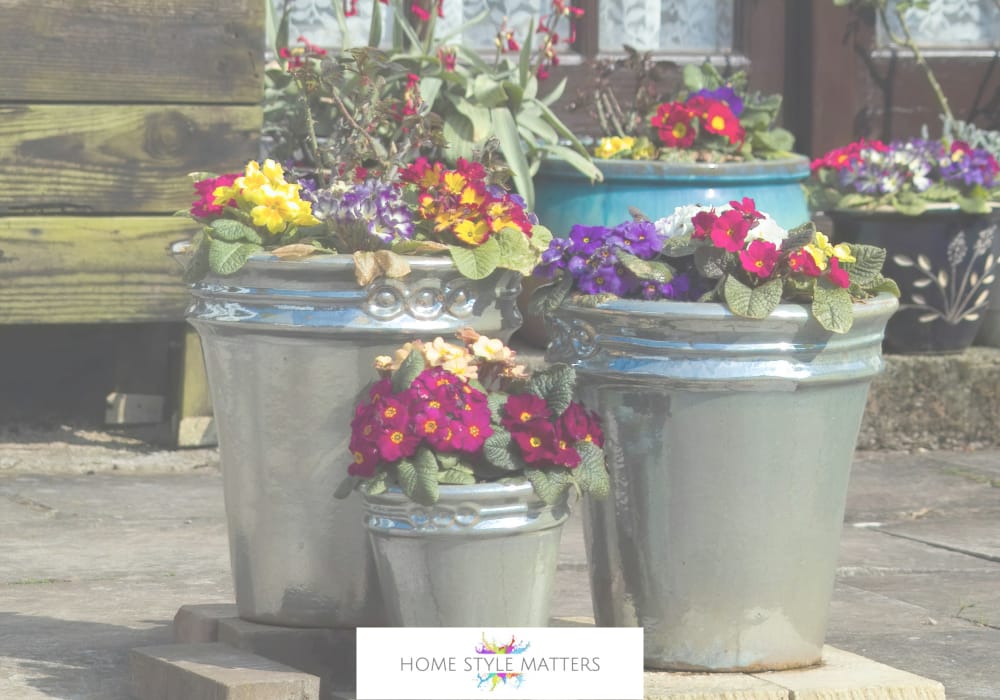
A planter needs air, moisture balance, and a route for excess water to escape. If water sits around roots for too long, it can cause root rot and weak growth. A simple drainage system starts with a clear drainage hole and the right base layer. When you fill large planters, it’s smart to use a filler below the compost line. This can save money, reduce the amount of soil needed, and make a heavy pot easier to move.
Why Pot Drainage Matters in a Large Planter
Every pot needs proper drainage because roots require both water and oxygen. If the compost stays saturated, plants struggle to absorb nutrients. Good airflow also supports healthy root growth. Using the right planter for drainage setup will:
- Help water to drain after rain or watering
- Reduce excess moisture
- Keep the soil balanced
- Support a healthy plant
- Help plants thrive in containers
- Keep your plants healthy for longer
If you use outdoor planters, this is even more important during wet weather.
What to Fill the Bottom of a Large Planter With
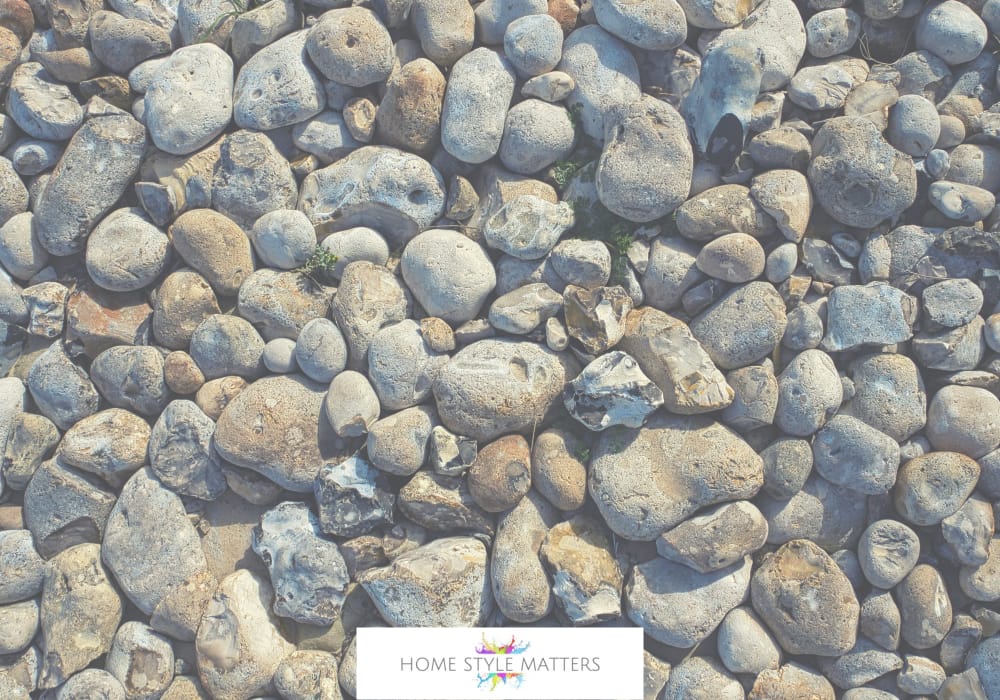
There are many smart options to fill the bottom and create space at the bottom of a deep container. Here are the best materials to consider.
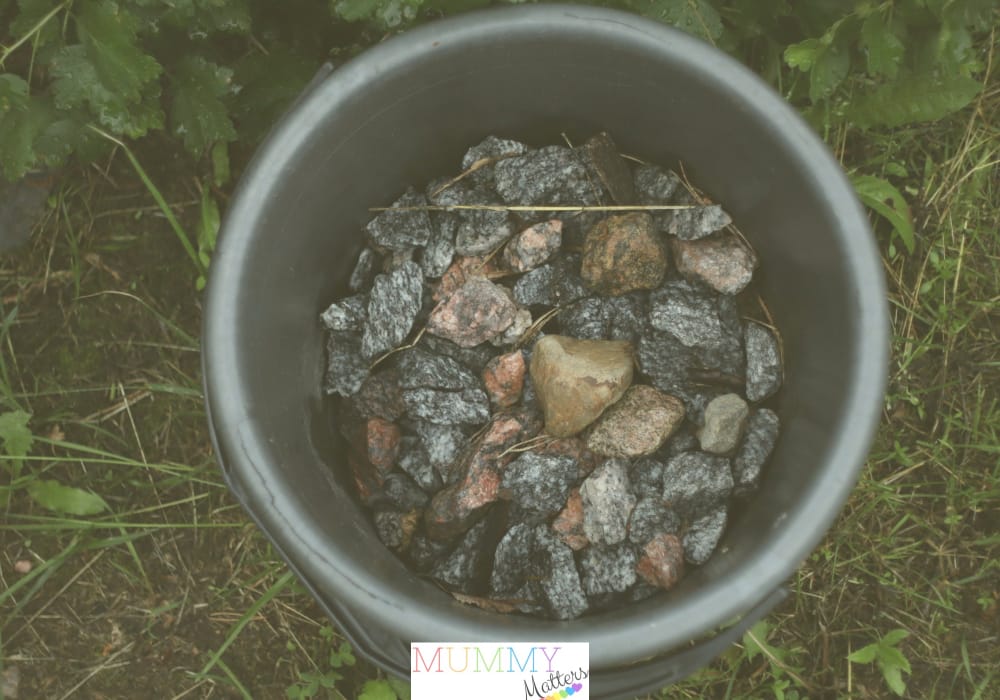
Gravel or Stones
Gravel is a classic drainage material. It adds weight and can help allow water to drain through the base area.
Best for:
- Windy spots
- Tall containers
- Permanent displays
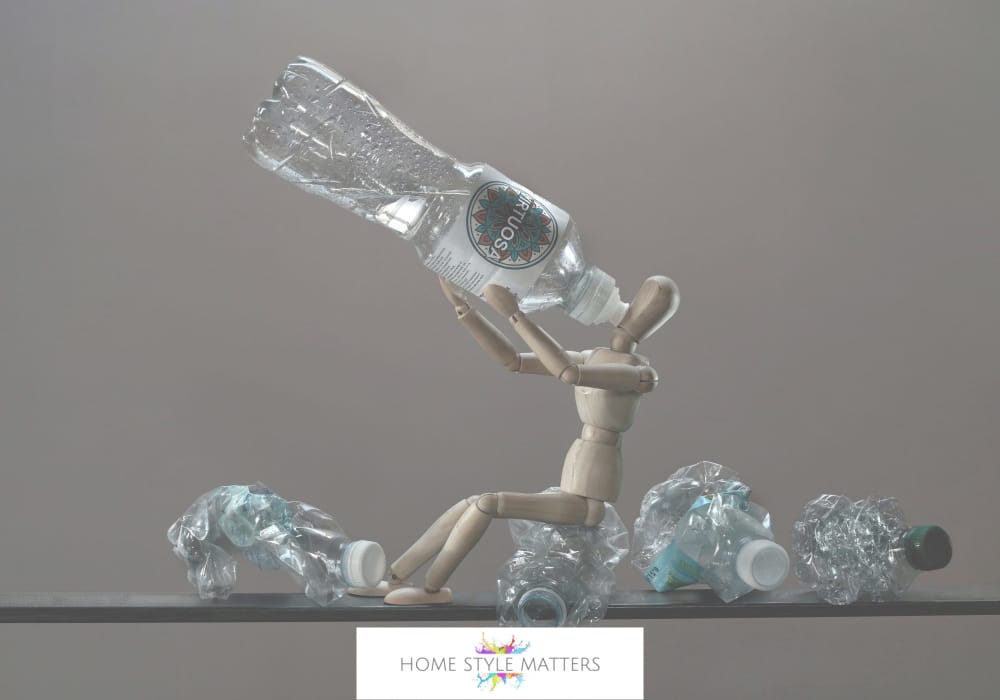
Plastic Bottles
Clean plastic bottles are a useful option, reducing weight and helping you fill the space in a deep planter without using extra compost.
Best for:
- Balcony containers
- Seasonal planting
- Lightweight pots
Perlite
Perlite is a lightweight volcanic material often mixed with compost. It improves drainage and aeration and helps create air pockets in the root zone.
Best for:
- Houseplants
- Moisture-sensitive plants
- Mixed container composts
Bark or Wood Chips
Natural bark is one of the best natural materials for a base layer. It slowly breaks down and can support drainage while keeping the mix lighter.
Broken Terracotta
Old clay pot pieces can cover the drainage hole while still letting water to drain away. It’s a great way to use old materials that might otherwise be thrown away.
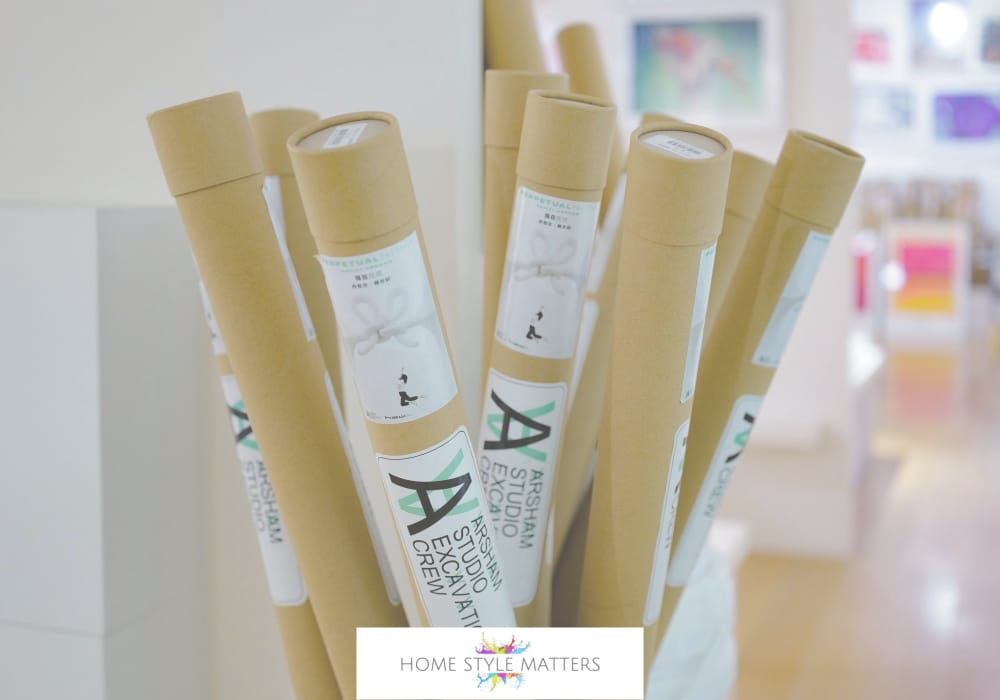
Packing Materials and Cardboard Tubes
Some biodegradable packing materials or cardboard tubing can work temporarily. Always avoid anything harmful or non-breathable.
Could I Use Materials Around the Home in a Pot Planter?
Yes, many gardeners ask, could I use spare items from around the home? In many cases, yes. Items like bottles, old nursery containers, and clean packaging can be reused instead of being thrown away.
Useful examples include:
- Empty plastic bottles
- Old nursery pots placed upside-down
- Pine cones
- Cardboard tubes
- Clean biodegradable packaging
Choose an appropriate filler that will not trap water or break down too quickly.
How to Fill the Bottom of a Planter Correctly
To get the best results, follow this simple method for the bottom of a planter.
- Check there are holes in the bottom.
- Add your chosen filler material.
- Place a piece of landscape fabric over the layer.
- Add fresh potting soil.
- Position the plant and fill the planter.
- Water the plant well and check for runoff.
This method helps prevent soil from falling into the lower layer and keeps the compost where roots need it.
Why Landscape Fabric Helps Pot Drainage
A sheet of landscape fabric between drainage and compost is often useful. It can prevent soil washing down, stop the layers mixing too quickly, and still allow excess water through. A piece of landscape fabric is inexpensive and easy to cut to size.
Use it when:
- You use Bark or Stones
- You want cleaner layers
- You need extra drainage
Heavy or Lightweight?
The bottom of a large planter can use heavy or light materials, depending on the material of the pot and where it will sit.
Heavier Fill
Use Gravel or Stone when stability matters. These heavier materials are ideal in exposed spaces.
Lightweight Fill
Use Bottles or Recycled Pots when you may need to move the container later.
It’s a choice for large containers based on weight, weather, and plant type.
How to Keep Soil and Roots Healthy in a Pot
To keep the soil in good condition, refresh compost regularly and avoid overwatering. Always leave enough space below the rim for watering. This helps direct moisture downward and away from the roots.
Good habits include:
- Check moisture before watering
- Use feed during the growing season
- Ensure the drainage hole stays open
- Add mulch in summer
- Repot when roots outgrow the container
These steps help maintain a healthy root system.
Common Mistakes to Avoid with a Large Pot
Small changes can improve drainage and lead to stronger growth. Avoid these common issues:
- Using a pot with no drainage hole
- Compacting soil too firmly
- Filling the whole planter with stones
- Forgetting to test that water can drain
- Using materials that hold too much moisture
Conclusion
Knowing what to place in the base of a planter helps you grow healthier plants with less waste and less cost. Whichever material you choose, it will provide good drainage, save compost, and make a deep plant pot easier to handle. With the right setup, your containers can look beautiful and perform brilliantly in any garden for months to come.