Table of Contents
Light is more than just what helps us see—it’s also what helps us feel. The amount and type of light you receive each day can affect your mood, energy levels, and overall mental health. Whether it’s sunlight, artificial light, or screen light, your brain responds to it in powerful ways.
If you’ve ever felt gloomy on dark winter days or energized after stepping into the sun, you’ve already experienced how light affects your mood. In this article, we’ll explore the science behind light exposure and how you can use it to support emotional balance and mental well-being.
Why Light Affects Your Mood
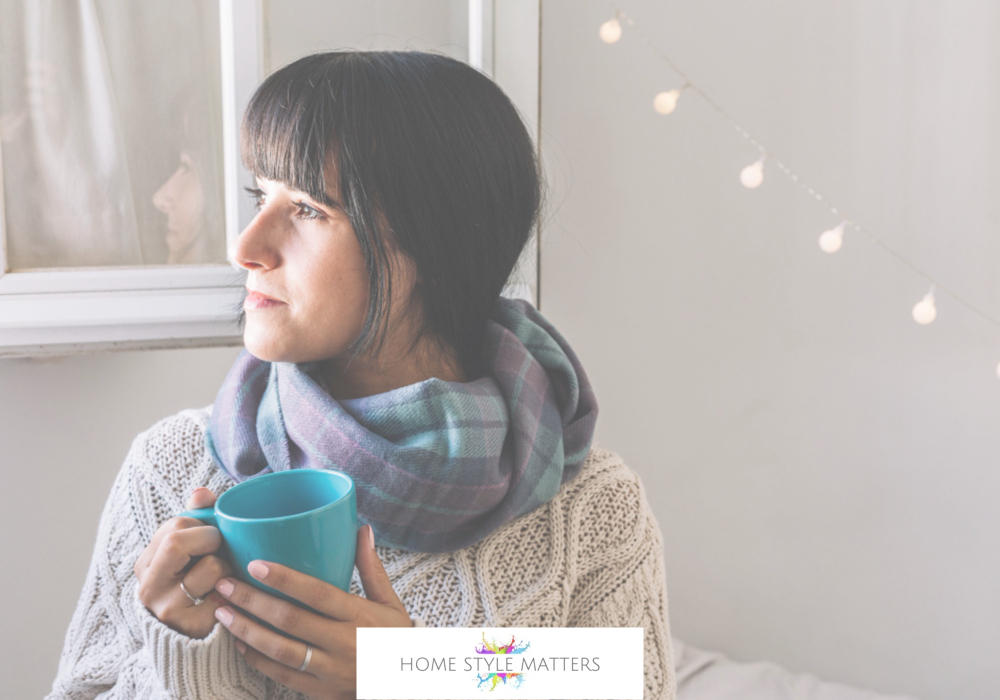
Your body runs on a natural 24-hour cycle called the circadian rhythm. This internal clock controls when you feel awake or sleepy, when hormones are released, and even how your brain processes emotions. Light is one of the biggest signals that helps regulate this rhythm.
According to the National Institute of General Medical Sciences, light exposure tells your brain when to release melatonin (for sleep) and cortisol (for alertness)1.
When your light exposure is off—either too little or too much at the wrong times—it can throw your circadian rhythm out of balance. This can lead to problems like fatigue, low mood, poor sleep, and irritability.
The Power of Natural Light
Natural sunlight is one of the best tools for regulating mood. It helps your body produce serotonin, a chemical that boosts happiness and helps you stay calm and focused.
A study published in Environmental Health Perspectives found that people exposed to more natural light during the day reported better sleep and lower levels of depression2.
Just 15 to 30 minutes of sunlight in the morning can help:
- Regulate your sleep-wake cycle
- Improve focus and energy
- Reduce symptoms of depression
- Stabilize your mood throughout the day
Tip: Get outside within an hour of waking—even on cloudy days. Natural light is still stronger than indoor lighting and helps reset your internal clock.
Seasonal Affective Disorder (SAD)
Some people feel noticeably more tired, sad, or unmotivated during the fall and winter months. This condition is called Seasonal Affective Disorder (SAD), and it’s linked to reduced daylight exposure.
According to the American Psychiatric Association, SAD affects about 5% of adults in the U.S., and symptoms can last for around 40% of the year3.
Common symptoms include:
- Low energy
- Oversleeping
- Cravings for carbs and sugar
- Social withdrawal
- Feelings of hopelessness
Light therapy—exposure to bright, artificial light for 20–30 minutes in the morning—can help reduce these symptoms. It mimics natural sunlight and helps restore balance to your circadian rhythm.
Artificial Light and Its Impact
While natural light supports mood, artificial light—especially at night—can do the opposite.
1. Blue Light from Screens
Phones, laptops, and TVs emit blue light, which tricks your brain into thinking it’s daytime. This can delay melatonin production and disrupt sleep.
A 2017 study in Sleep Health found that screen use in the evening leads to difficulty falling asleep and lower sleep quality, which is directly tied to mood problems4.
What to do:
- Avoid screens for at least 60 minutes before bed
- Use blue light filters or “night mode” settings
- Try amber glasses that block blue light if screen use is necessary
2. Harsh Indoor Lighting
Fluorescent and overly bright lights can lead to eye strain, headaches, and irritability. Soft, warm lighting is more calming and helps prepare your brain for rest in the evening.
Morning Light vs. Evening Light
When you get light is just as important as how much you get.
Morning Light
- Boosts alertness
- Improves mood and concentration
- Aligns your internal clock
- Supports hormone balance
Get 20–30 minutes of morning light each day, preferably outside or near a window.
Evening Light
- Tells your brain to stay awake
- Can interfere with melatonin production
- May cause insomnia or disrupted sleep
Dim lights after sunset, use lamps instead of overhead lights, and turn off screens an hour before bed.
Light Therapy for Mood Regulation
For those with depression, anxiety, or SAD, light therapy boxes can be a helpful tool.
A review published in The American Journal of Psychiatry showed that light therapy was just as effective as antidepressant medication in treating seasonal depression 5.
To use a light therapy box:
- Use it in the morning, for 20–30 minutes
- Sit about 16–24 inches away
- Choose a lamp that provides 10,000 lux of full-spectrum light
- Avoid looking directly into the light
Always consult with a healthcare provider before starting light therapy—especially if you have bipolar disorder or eye sensitivity.
How to Add More Light into Your Life
1. Spend Time Outdoors Daily
A simple walk around the block or sitting on your balcony can give your brain the light it needs. Even cloudy days provide mood-boosting benefits.
2. Work Near Windows
If possible, set up your workspace close to a window. Exposure to natural light during the workday helps reduce fatigue and improves focus.
One study in The Journal of Clinical Sleep Medicine found that office workers exposed to natural light slept better and had higher quality of life scores6.
3. Use Light-Reflecting Decor
Mirrors, light-colored walls, and open spaces help bounce light around your home, making rooms feel brighter and more open.
4. Upgrade Your Light Bulbs
Use warm, full-spectrum LED bulbs in the evening to reduce strain and create a more soothing atmosphere. Avoid cool, bluish lighting at night.
Final Thoughts
Light plays a major role in how we think, feel, and function. By being mindful of when and how you get light, you can better regulate your mood, improve sleep, and support emotional balance.
Step outside in the morning. Turn off screens at night. Let light be your ally in mental wellness. Sometimes, the best therapy starts with simply opening the curtains.
References
- National Institute of General Medical Sciences. (2020). Circadian Rhythms. https://www.nigms.nih.gov/education/fact-sheets/Pages/circadian-rhythms.aspx ↩
- Zadeh, R. S., et al. (2014). The impact of natural light on depression and sleep. Environmental Health Perspectives, 122(3), 237–242. ↩
- American Psychiatric Association. (2020). What is Seasonal Affective Disorder? https://www.psychiatry.org ↩
- Chang, A. M., et al. (2015). Evening use of light-emitting eReaders negatively affects sleep, circadian timing, and next-morning alertness. Proceedings of the National Academy of Sciences, 112(4), 1232–1237. ↩
- Lam, R. W., et al. (2016). Light therapy for seasonal affective disorder: A meta-analysis. The American Journal of Psychiatry, 173(7), 655–662. ↩
Boubekri, M., et al. (2014). Impact of windows and daylight exposure on overall health and sleep quality of office workers. Journal of Clinical Sleep Medicine, 10(6), 603–611. ↩