Staging Your Home for a Fast Sale: Top Tips from the Pros
Table of Contents
Selling property in a competitive market can feel slow, even when pricing is correct. Thoughtful staging gives buyers a clear sense of how the space works and often shortens the time between listing and offer. This blog looks at practical steps a seller can take to present a home in a way that supports a quicker decision from serious buyers. It treats staging as a design project today.
Buyer Perspective of Space
Buyers typically browse properties online before their first in-person visit. A buyer will rapidly scan images for proportion and light, so your staging should be telling a story through those images. Room usage and functionality encourage the buyer to visualize and create their own daily routine without distractions. A vacant room that serves multiple purposes, like a study and a guest bedroom, seems much more functional than a room that looks like storage.
Property Preparation
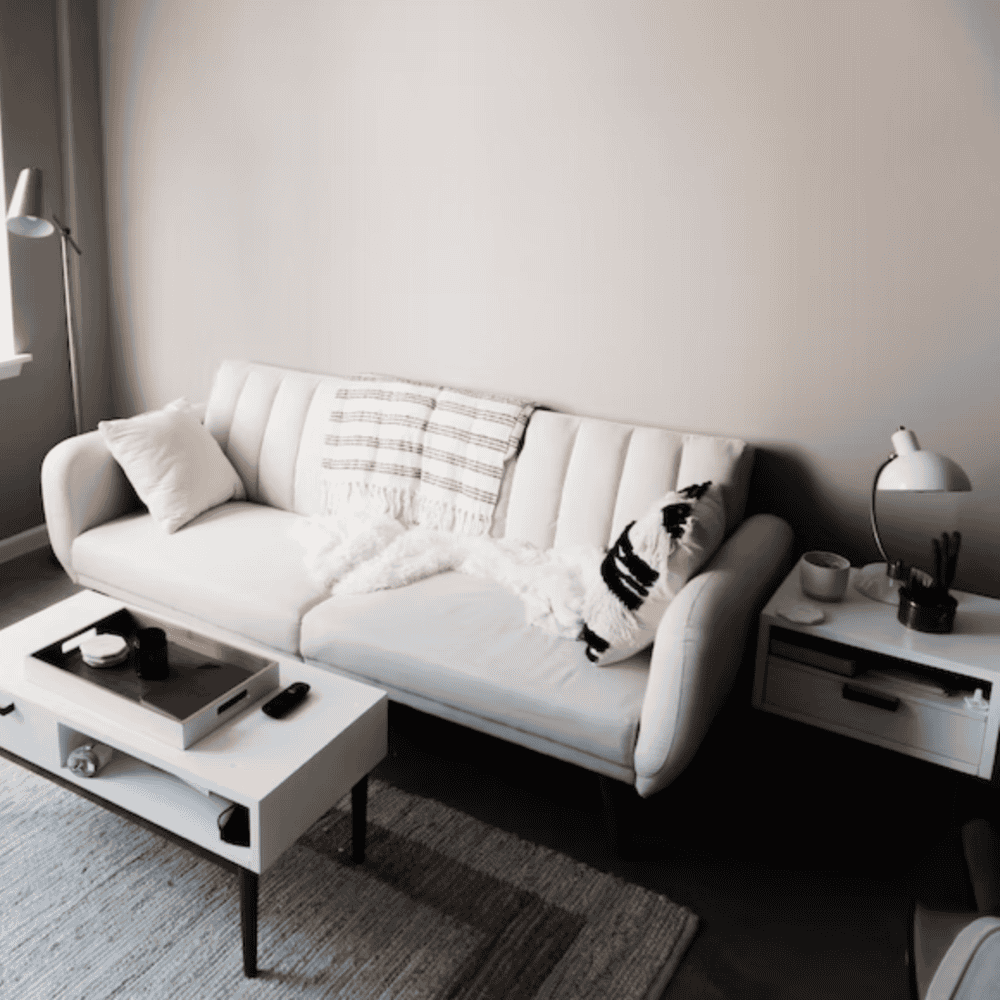
Stagers begin by removing the excess items and not adding decorations. Removing furniture and cleaning surfaces creates a cleaner photograph and a more calming atmosphere during viewings. Sellers may benefit from similar practices by storing rarely used items before listing photos are taken, and organising closets and storage spaces. Clean countertops also contribute to the overall look and aesthetic of the property.
Home Maintenance
A fresh coat of paint in a neutral colour and clean floors indicate the seller cares about the property and has been taking care of it as such. Functional lighting fixtures reinforce this perception, allowing the buyer to focus on the layout and location of the property rather than toiling with the initial costs of repairs.
Strategic Styling Decisions
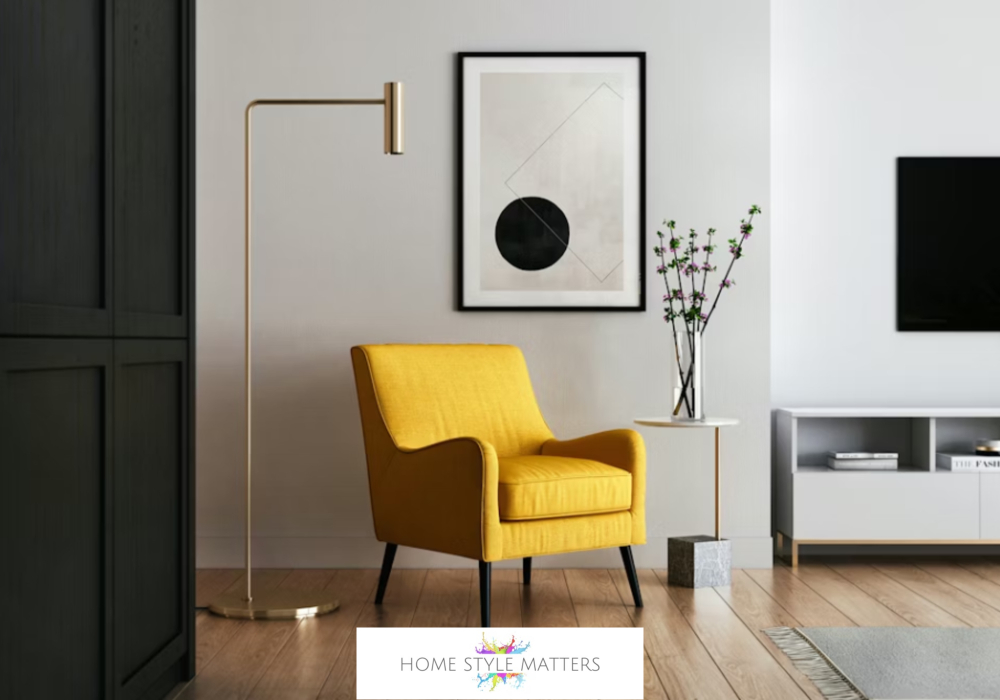
Once the foundation of the property is cleaned and de-cluttered, strategic styling decisions can direct the viewer’s attention. Each room should have a focal point like an antique cabinet, an armchair, or a Persian rug to establish a sense of balance. Placing decorative items like vases and sculptures in balanced groupings on shelves and tables minimises visual clutter. Light window treatments typically perform better than dark curtains.
Sensory Marketing
In addition to visual elements, good scent and sound design are imperative. Ventilation and subtle fragrances will help create a positive atmosphere. Baking cookies or simmering cinnamon sticks, vanilla essence, orange, and lemon peel in a pot can trigger feelings of comfort and nostalgia in potential buyers, helping them act on making an offer. Background sounds should be minimal and unobtrusive, allowing viewers to concentrate on space and proportions.
Effective Marketing Strategies
After the property is staged, the next component is effective marketing. Real estate agents are investing in advanced strategies such as video tours and coordinated photo shoots. These tools allow long-distance buyers to visually determine the flow of spaces, both inside and outside of a property. Additionally, busy local buyers who are reviewing listings online have the opportunity to gain confidence in booking an in-person viewing versus browsing through listings.
Time-Saving Marketing Material
The goal of effective marketing is to respect the buyer’s time. By providing clear floor plans and accurate descriptions, confusion is minimised. Orderly photographs support the accuracy of the floor plans and descriptions. As the staging and marketing are aligned, the consistency of the listing across all platforms builds credibility with the buyer.
Staging is not about disguising problems or inflating expectations. It is a methodical way to remove friction from the decision process for buyers who already like the price and location. By preparing the property carefully and choosing styling details with intent, a seller improves the chance of a faster, smoother sale. Strong marketing supports that result without resorting to dramatic price cuts.