What To Look For When Choosing Aluminium Bi-Fold Doors (A Homeowner’s Checklist)
Table of Contents
When you start planning new doors for your home, it’s easy to get distracted by photos of beautiful open-plan kitchens and airy garden rooms. Beneath the glossy images, though, there are important technical details that will determine how your aluminium bi-fold doors actually perform day to day. This practical checklist will help you understand what to look for, so you can choose a door system that looks great, feels secure and stands the test of time.
1. Frame material and build quality
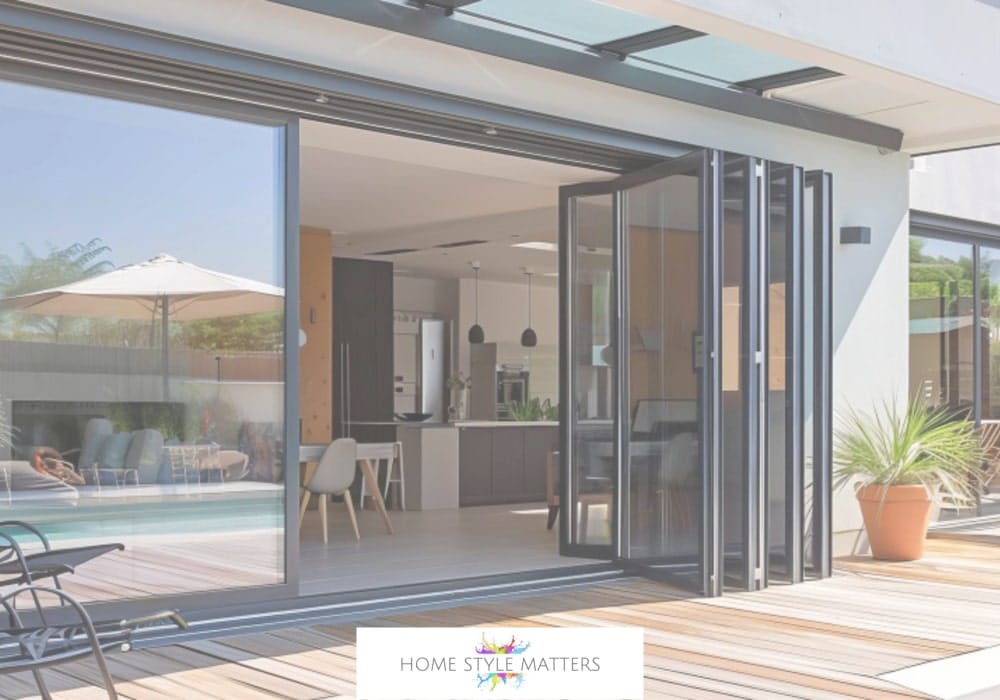
Not all aluminium systems are created equal. The quality and design of the profiles influence how slim the sightlines are, how sturdy the doors feel when you use them, and how well they insulate your home. Look for systems that use thermally broken aluminium profiles, as these incorporate an insulating barrier between the inside and outside faces of the frame to reduce heat loss.
It is also worth paying attention to the finish and overall build quality. A good powder-coated finish will be smooth, even and resistant to chipping, which helps the doors keep their appearance for years with minimal maintenance. Ask about guarantees on both the frames and the finish so you know you are investing in a system designed for long-term performance.
2. Glazing, energy efficiency and comfort
Doors are a major glazed area, so their glass specification has a big impact on how warm, bright and comfortable your room feels. Check whether the doors use double or triple glazing, what type of glass is included (for example, low-emissivity glass that reflects heat back into the room), and whether warm-edge spacer bars are used between panes to improve thermal performance.
You will usually see an overall U-value quoted for the door set, which indicates how well it insulates. Lower U-values mean better energy efficiency and potentially lower heating bills. If you are extending or renovating, make sure the specification meets or exceeds current building regulations, and ask your supplier how the doors will help you maintain a stable indoor temperature through both winter and summer.
3. Security features and peace of mind
Your external doors are a key part of your home’s security, so it is important to understand the protection they offer. Look for multi-point locking systems that secure the doors at several points along the frame, ideally paired with strong, high-security handles and hinges. Toughened or laminated safety glass adds another layer of protection, as it is more resistant to impact.
Some systems are independently tested to recognised security standards. If this is important to you, ask whether the doors have been assessed and what certifications they hold. It is also worth checking details like internal beading (which prevents glass from being removed from the outside) and how the tracks are designed, because robust components in these areas help deter opportunistic intruders.
4. Threshold options and accessibility
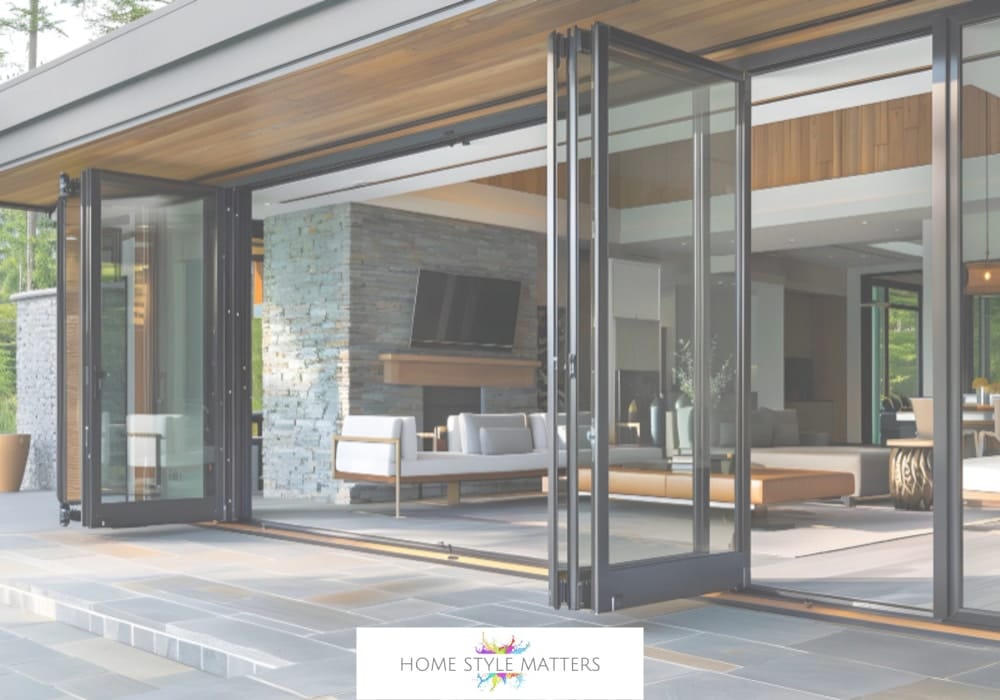
The threshold is the bottom section you step over when passing through the doors, and it has a big effect on usability. A rebated threshold can offer excellent weather resistance, which is ideal in more exposed locations, but it creates a small step that may not be suitable where level access is important. Low or flush thresholds create a smoother transition between inside and outside, improving accessibility and giving that seamless, indoor–outdoor feel many homeowners want.
When you are choosing, think about who will be using the doors, how often they will be opened, and how exposed the opening is to wind and rain. A good supplier will explain the trade-offs between weather performance and step height, and help you choose the most practical threshold detail for your home and lifestyle.
5. Configuration, panel sizes and traffic doors
Bi-fold systems are highly flexible, and the way the door set is configured will affect how it works day to day. You will need to decide how many panels you want, how wide each panel should be, and whether the doors should stack to the left, right, or split to both sides. As a general rule, more panels create a larger opening but increase the number of vertical frames, while wider panels reduce the number of sightlines but require more space to stack when open.
A particularly important feature to consider is the inclusion of a “traffic door”. This is a single-hinged door within the bi-fold set that can be used as a normal back door without folding the entire system open. It is invaluable for quick trips to the garden, letting pets out, or taking out the bins in poor weather. When planning your configuration, think about how you move through the space now and choose a layout that supports your everyday routines.
6. Operation, hardware and ease of use
Well-designed bi-fold doors should feel smooth, light and reassuringly solid when you open and close them. Pay attention to the quality of the running gear and rollers, as these components bear the weight of the glass and frames. High-quality hardware helps the doors glide along the tracks with minimal effort and reduces wear over time.
The handles, magnets and catches also contribute to ease of use. Comfortable, ergonomically shaped handles and positive locking action make the doors more pleasant to live with, especially if they are in constant use as your main route to the garden. If possible, try a working showroom display so you can get a sense of how the system feels in real life before you commit.
7. Style, colour and design details
Performance matters, but appearance is what you will notice every day once the doors are installed. Modern aluminium systems are available in a wide choice of colours and finishes, from popular anthracite greys and blacks to soft neutrals and bold contemporary tones. Consider whether you want the same colour inside and out, or a dual-colour finish that coordinates with your interior decor and exterior elevations.
Design details such as handle style, hinge colour and the width of the sightlines all contribute to the overall look. Slim frames maximise glass and views, which suits contemporary architecture and open-plan living spaces. More substantial profiles can complement traditional homes, especially when combined with the right colour. Taking time to get these elements right will ensure your doors enhance both the interior and exterior of your property.
8. Installation quality and choosing a trusted supplier
Even the best door system will underperform if it is poorly installed. Accurate surveying, correct preparation of the opening, and careful fitting are all essential to achieve smooth operation, good weather resistance and long-term reliability. When comparing suppliers, ask about their experience with aluminium systems, what training their installers receive, and whether installation is backed by a guarantee.
Look for clear communication, detailed quotations and evidence of previous projects similar to your own. Reputable companies will be happy to explain the specification, talk you through options and provide aftercare support. When you are ready to explore specific products, choosing established Aluminium Bifold Doors from a trusted specialist gives you added confidence that your investment will perform as well as it looks.