Why Green Algae Forms on Garden Furniture and How to Rectify This Issue
Table of Contents
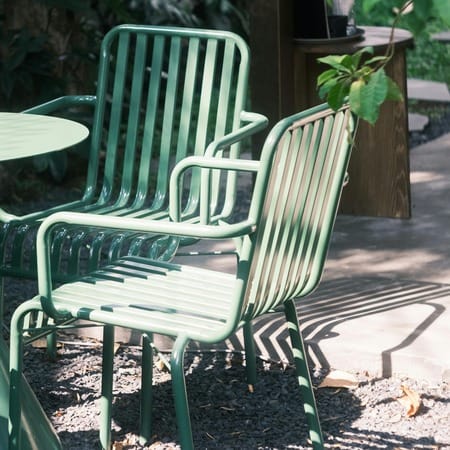
Green Algae commonly develops on outdoor furniture after wet weather, especially during autumn and winter. If you have noticed slippery surfaces on your patio set, you are not alone. Algae commonly develops on outdoor furniture after wet weather, especially during autumn and winter. The combination of moisture, shade, and dirt creates the perfect breeding ground for growth. Whether it affects Wooden Furniture, Metal frames, or Rattan seating, learning how to remove and stop it from returning will keep your outdoor spaces fresh, safe, and ready to use.
What Is Green Algae?
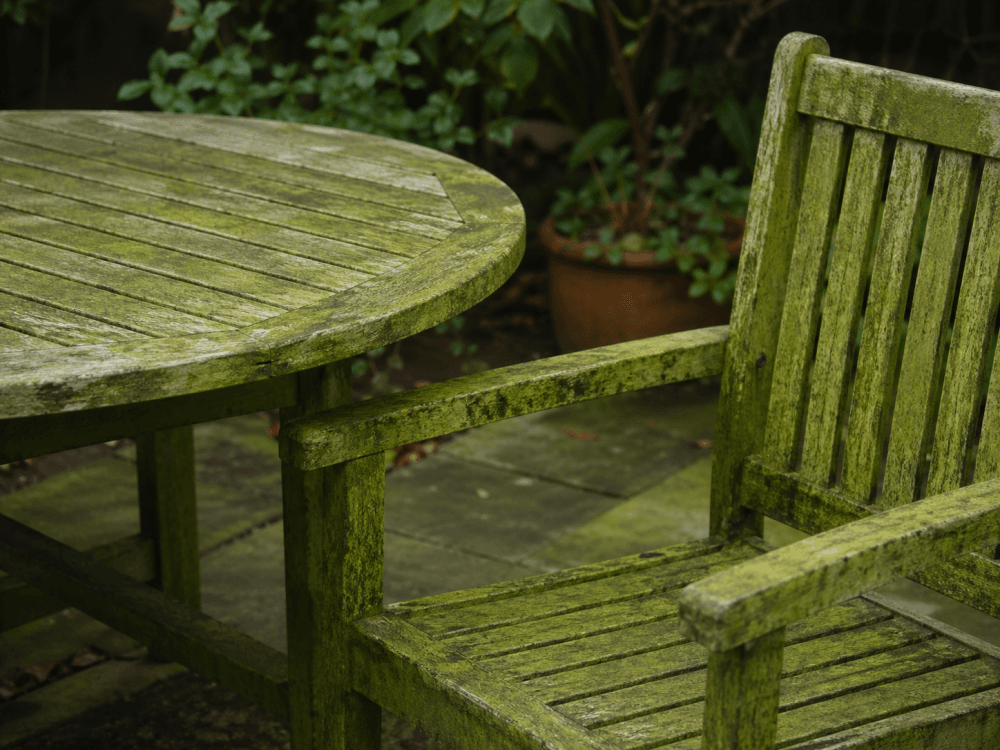
Green algae are naturally occurring organisms that thrive in damp, shaded, and humid environments. It often appears as a green film, patchy stain, or slippery layer on outdoor surfaces. While it is not usually harmful, it can make garden furniture look neglected and can become slippery if left untreated. Algae spores travel through the air and settle on surfaces. When moisture and shade are present, they grow quickly, especially on porous or textured materials.
Why Algae Forms on Garden Furniture Patio Areas
Alga is a natural organism that spreads through the air as a tiny spore. Once algae spores land on damp surfaces, they begin to grow quickly. If your garden furniture sits in shade or shady areas, the lack of sunlight means surfaces stay wet for longer. This helps algae thrive.
Other factors that encourage their growth include:
- Standing water on seats or tables
- Poor drainage around the deck or patio
- Fallen leaves and dirt trapped in corners
- Trees and shrubs blocking airflow
- Damp conditions after rain
This growth can appear as slimy residue, green deposits, or green patches across furniture and hard surfaces.
How to Remove from Garden Furniture Safely
The safest way to remove green algae depends on the material. Always start with the gentlest method first. A simple cleaner made with warm, soapy water is often enough for light build-up of green residue.
Basic Cleaning Method
- Use a brush or stiff broom to sweep away loose dirt.
- Apply warm soapy water with a cloth or sponge.
- Scrub affected areas gently.
- Rinse with a garden hose.
- Allow the furniture to dry fully.
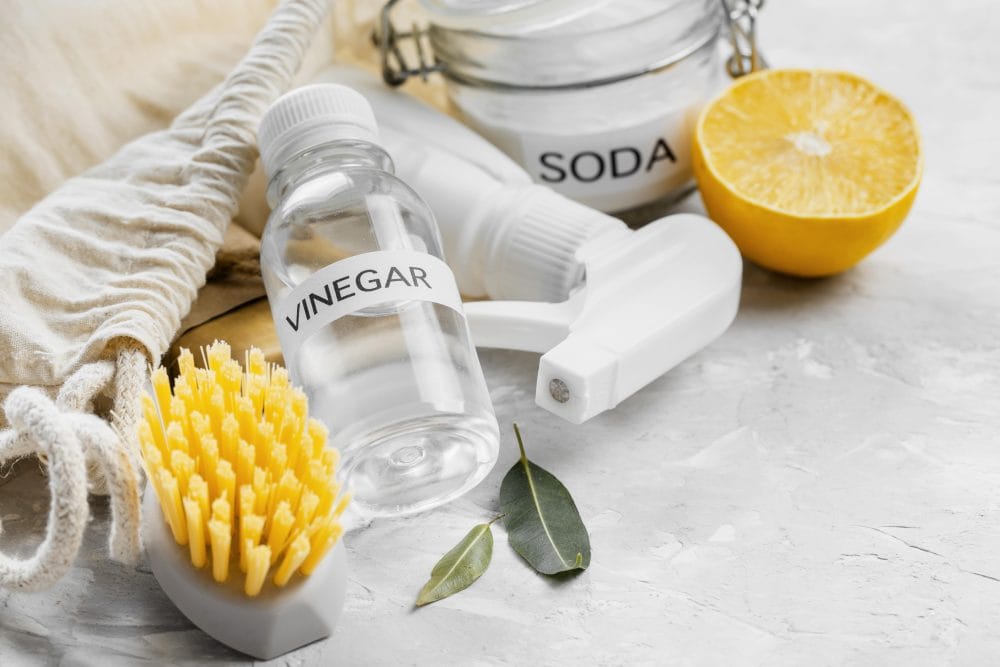
This method works well for mild algae growth and general algae removal. Alternatively, these basic household essentials will strip green Algae fast. Each product tackles the problem in different ways.
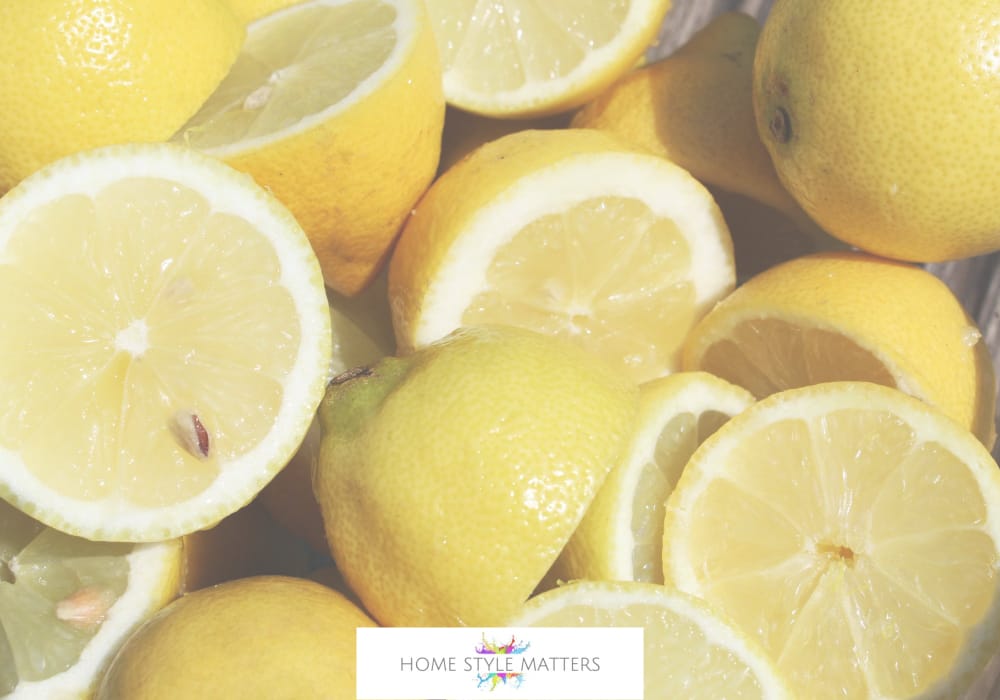
Lemon Juice: Lemon juice is often celebrated for its culinary and health benefits, but it also holds surprising versatility in home maintenance, particularly in outdoor care. One of its lesser-known applications is as a powerful natural cleaner for removing green algae from garden furniture. This common problem not only spoils the look of patios and outside spaces but can also lead to slippery surfaces, posing safety risks. A simple mix of lemon juice with water can create an effective solution that brightens your furniture while being eco-friendly.
Baking Soda: A staple in most kitchens, it extends far beyond baking. Its versatility shines in unique areas such as gardening and home maintenance. When it comes to removing garden furniture of green algae, this miraculous powder works wonders. A simple paste of baking soda and water can be applied directly to affected areas, effectively lifting stubborn algae without damaging surfaces. As it interacts, the solution not only cleans but also helps restore your furniture to its original glory. Also, this method is an eco-friendly choice, eliminating the need for harsh chemical cleaners that can harm your plants and soil.
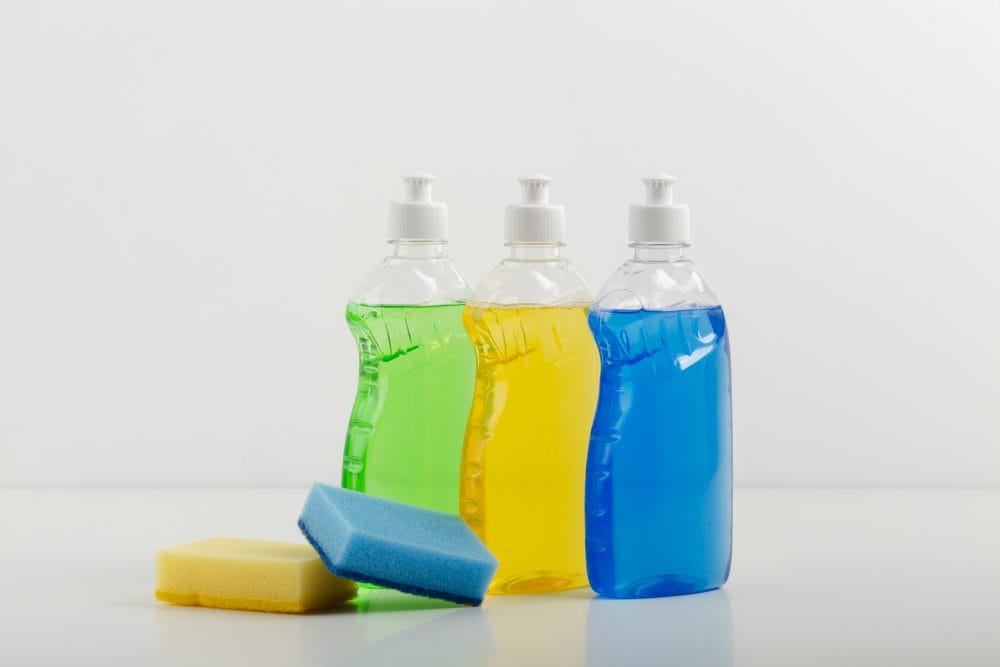
Washing Up Liquid: Washing up liquid isn’t just a kitchen essential; it serves a multitude of purposes beyond the sink. When tackling outdoor issues on garden furniture, a mixture of washing-up liquid and water can work wonders. Just a squirt diluted in a bucket of water transforms a mundane chore into a satisfying solution. This bubbly blend effortlessly lifts algae, grime, and dirt, restoring your patio furniture to its former glory without harsh chemicals.
White Vinegar: White vinegar, often found in kitchens, is a powerhouse for outdoor cleaning too, especially when tackling stubborn deposits on garden furniture. Its acetic acid content acts as a natural herbicide, effectively breaking down organic matter and providing a safer alternative to harsh chemicals. Just a simple spray of diluted white vinegar can rejuvenate your outdoor spaces, leaving your furniture not only cleaner but also protected from future algae growth.
Remove Green from Wooden Garden Furniture and Wooden Surfaces
Wood is porous, so Algae can settle deep into the grain. Wooden garden furniture made from softwood may need more regular cleaning than hardwood pieces such as teak. Use warm, soapy water first, then a brush to clean grooves and joints. For stubborn growth, you may need a specialist Algae or green growth remover. Avoid harsh chemicals that may damage the surface. After cleaning, apply teak oil or a suitable sealant to protect wooden surfaces.
Remove Green Slime from Rattan and Plastic Garden Furniture
Rattan and plastic garden furniture often have textured finishes where dirt collects. This trapped dirt holds moisture and supports Algae and Moss. Use a soft brush to clean woven areas, making sure you reach gaps and corners. For plastic furniture, use the same cleaner solution and rinse well. If marks remain, dilute baking soda into a paste and gently scrub. This helps remove without scratching the finish.
Moss, Lichen and Green Deposits on Patio Furniture and Hard Surfaces
Sometimes the problem is not only the Algae. Moss, Lichen, and Mildew can also appear in damp places. These often form on patio furniture, paving, fences, and other hard surfaces. If left untreated, Moss retains water and can make areas slippery. Lichen clings firmly to surfaces, while Mildew may appear as dark spots. A dedicated remover can help break down stubborn stains.
Can You Use Bleach or a Pressure Washer?
Some homeowners use Bleach to clean heavy staining. If you choose this option, always dilute it correctly and test a hidden area first. Bleach should be used sparingly, especially near plants or lawns. You can also use a pressure washer on Stone or robust materials. Never use a pressure washer too close to delicate Rattan or Softwood, as it may strip finishes or split fibres. Pressure washing is best for paved patio zones rather than fragile furniture.
Preventative Tips
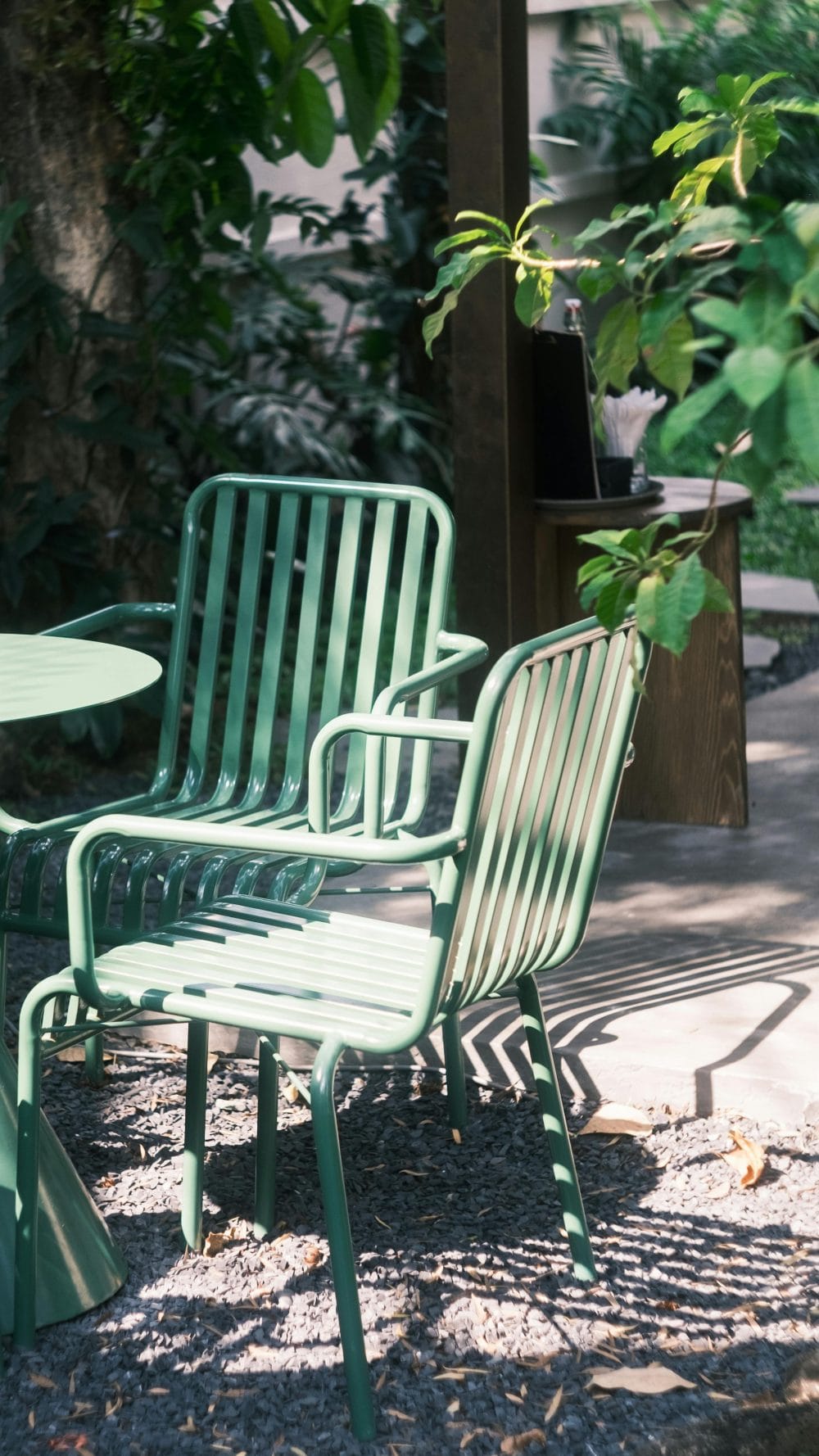
Once you remove, prevention is the next step. A few simple habits can stop the return of green growth.
- Move furniture out of shade where possible
- Prune nearby trees and shrubs for better airflow
- Use protective covers with ventilation
- Clean regularly with a brush and water
- Prevent standing water after rainfall
- Improve drainage around the patio
- Store garden sets during severe weather
These preventative steps reduce damp conditions and help stop future growth.
Conclusion
Algae on garden furniture is common, but it is easy to prevent with the right care. By acting early, using the right product, and keeping surfaces dry, you can remove and restore your furniture quickly. With regular maintenance, your patio and seating areas will become more inviting all year round.