
Graffiti and Street Art: How Urban Art Became Mainstream
Table of Contents
Graffiti and street art have become an influential part of modern culture. Once associated primarily with underground movements, spray cans and urban tagging, today colourful murals, intricate lettering, striking stencils and large-scale public artworks can transform ordinary walls, street hoardings, railway arches and buildings into eye-catching works of art.
Street art can add personality to an area, provoke conversation and create a very different relationship between art and the public. It can be political, humorous, decorative or thought-provoking, and it is often accessible to people who might never think of visiting a traditional art gallery.
But how did graffiti develop from an underground form of expression into such an influential art form, and why does it continue to attract so much attention?
What Is Graffiti and Street Art?
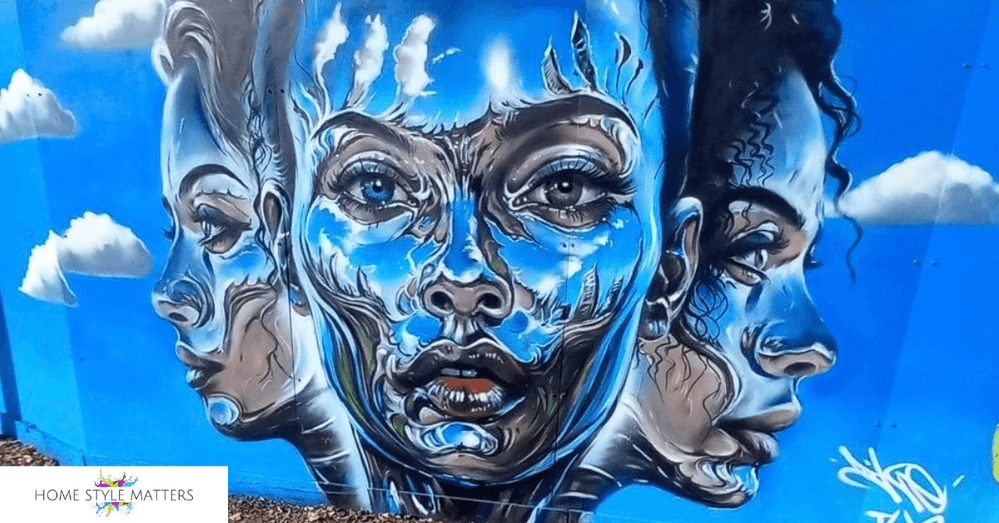
Although the terms graffiti and street art are often used interchangeably, they can describe different creative practices. Traditional graffiti has strong links to lettering, tags, names and distinctive artistic styles developed within graffiti-writing communities. Street art is a broader category that can include murals, stencils, stickers, paste-ups, installations and other forms of visual expression.
The modern street art movement is generally associated with 1970s New York before spreading internationally. Over time, artists began experimenting with increasingly sophisticated designs and techniques, turning blank walls and other urban surfaces into enormous canvases.
The result is a form of art that is often experienced outside conventional galleries, making it part of the everyday environment rather than something people have to deliberately seek out.
From Underground Movement to Contemporary Art
One of the most fascinating aspects of graffiti’s development is the way attitudes towards it have changed. For decades, unauthorised graffiti was largely viewed as vandalism and unwanted marking of property. The legal distinction remains important in the UK, as creating graffiti on somebody else’s property without permission can potentially amount to criminal damage.
At the same time, certain forms of street art have become culturally significant and increasingly accepted within the mainstream art world.
Artists such as Banksy have played a major role in bringing street art into mainstream discussion. His work has demonstrated how an image created in a public place can become the subject of international attention, debate and even disputes over ownership.
Street art also raises some interesting questions about copyright. In the UK, copyright protection is generally automatic for qualifying original artistic works. This means the ownership of the physical wall or building and the copyright in an artwork created upon it can be separate issues.
It creates an unusual relationship between the artist, property owner, artwork and the public, particularly when a piece of street art unexpectedly becomes culturally or financially valuable.
Street Art and Interior Design
The influence of graffiti and street art doesn’t stop at the street. Elements of urban art have increasingly found their way into interior design, bringing bold typography, graphic prints, monochrome imagery, vibrant colour combinations and oversized artwork into the home.
A graffiti-inspired interior doesn’t necessarily mean covering an entire wall in spray paint. In fact, this style can work particularly well when used selectively. A single piece of statement artwork, framed print or graphic feature can introduce an urban edge without overwhelming the room.
Street-art influences can also complement industrial-style interiors, where materials such as exposed brick, concrete, timber and metal provide a natural backdrop for bold artwork. In a more neutral contemporary space, a colourful piece of urban-inspired art can become an eye-catching focal point and add personality to an otherwise simple scheme.
The key is to treat street art in the same way you would any other strong design feature: give it enough space to make an impact without making every element in the room compete for attention.
How to Bring Street-Art Style Into Your Home


If you love the energy and creativity of graffiti but want to keep your home feeling stylish and considered, the key is to use street-art influences selectively.
Create a Feature Wall
A large-scale mural or graffiti-inspired wallpaper can become the main visual feature of a room. This works particularly well on one wall, allowing the design to make an impact without dominating the entire space.
Choose Statement Artwork
You don’t need to make permanent changes to introduce an urban influence. A large canvas, framed graphic print or piece of street-art-inspired artwork can add colour and personality while giving you the flexibility to change your interior in the future.
Mix Old and New
Street-art-inspired pieces can work particularly well alongside industrial materials such as exposed brick, timber and metal. Alternatively, placing contemporary urban artwork in a more traditional room can create an interesting contrast between old and new.
Use Colour Carefully
If your chosen artwork is particularly colourful, consider keeping the surrounding furnishings relatively simple so that the artwork remains the focal point. You could also pick out one or two colours from the artwork and repeat them subtly through cushions, accessories or other decorative details to help the room feel connected.
Consider Smaller Details
If a mural or oversized artwork feels like too much of a commitment, start small. Typography prints, cushions, accessories and decorative objects can introduce subtle urban influences without creating a complete street-art scheme.
Commissioning a Graffiti Artist for Your Home or Business
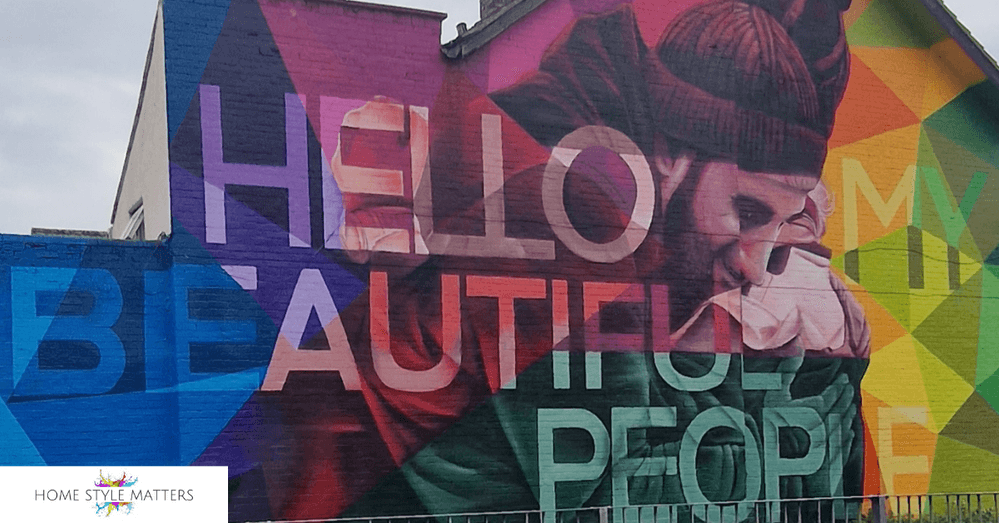
If you want something completely unique, another option is to commission a graffiti or street artist to create a bespoke piece specifically for your space.
A commissioned mural can work particularly well on a large feature wall, in a home office, games room, garden or outdoor entertaining area. Businesses can also use murals to transform offices, cafés, shops and other commercial spaces, creating artwork that reflects the personality of the brand or the people who use the space.
Working directly with an artist also means the finished design can be created around your chosen wall, colour scheme and ideas rather than trying to find ready-made artwork that fits the space.
Peterborough-based graffiti and street artist Nathan ‘NYCES’ Murdoch is a great local example. After more than 25 years developing his skills with a spray can, Nathan now creates murals through his company Street Arts Hire, working on private, commercial and community projects.
His work has taken him far beyond the walls of Peterborough. In 2026, Nathan appeared on Dragons’ Den, where entrepreneur Steven Bartlett was so impressed by his work that he offered him the opportunity to paint the walls of his new London offices.
If you are considering commissioning a mural of your own, look for an artist whose existing work reflects the style you love. Discuss the size and location of the wall, whether the work will be indoors or outdoors, your preferred colours and ideas, and how much creative freedom you are happy to give the artist. A good commission should feel personal to the space while still allowing the artist’s own distinctive style to shine through.
Why Has Street Art Become So Popular?
There are several reasons why street art continues to capture the public imagination. Its accessibility, scale and ability to communicate ideas can make it very different from artwork displayed within a traditional gallery setting.
1. It Is Accessible
Unlike traditional gallery art, street art appears in places where people already live, work and travel. You don’t necessarily need to visit a museum or buy a ticket to experience it. A mural might be discovered while walking down a street, travelling through a railway station or simply exploring a new neighbourhood.
That accessibility can make art feel much more connected to everyday life and allows people to encounter creativity when they least expect it.
2. It Can Transform Urban Spaces
A dull or overlooked wall can become a dramatic focal point when transformed by a large-scale mural. Street art can introduce colour into built-up areas, create memorable photographic backdrops and contribute to the visual identity of a neighbourhood.
Some towns and cities have also embraced street art as part of wider cultural and regeneration projects, helping to blur the traditional distinction between art galleries and public spaces.
3. It Encourages Conversation
Street art doesn’t always have to be purely decorative. Some works communicate social, environmental or political messages, while others use humour, irony or visual storytelling.
Because the artwork appears within a shared public environment, different people can interpret the same piece in very different ways. That ability to make people stop, think and sometimes debate what they have seen is one of the enduring characteristics of street art.
Banksy and the Changing Perception of Graffiti

Few names have had a greater impact on the public perception of modern street art than Banksy. Beginning as a freehand graffiti artist, he later became known for his distinctive stencil-based style and for placing thought-provoking images within the urban environment.
The use of stencils allowed work to be created more quickly, which was particularly significant when working without permission and trying to avoid detection. Banksy’s use of walls and other parts of the built environment as both a canvas and a public gallery also helped demonstrate how street art could communicate directly with people outside traditional art spaces.
As Banksy’s popularity and recognition grew, his work also became increasingly connected with the commercial art world. Images and ideas that originated within public spaces began appearing in other formats, while original works and authenticated pieces attracted considerable interest from collectors.
This changing relationship between street art and the art market raises some interesting questions. Can something created for a public space become a valuable private object? Who owns an artwork when it forms part of somebody else’s building? And at what point does graffiti become recognised as art?
There isn’t one simple answer, but Banksy’s career provides a fascinating example of how dramatically attitudes towards graffiti and street art have changed.
Legal Graffiti and Creative Spaces
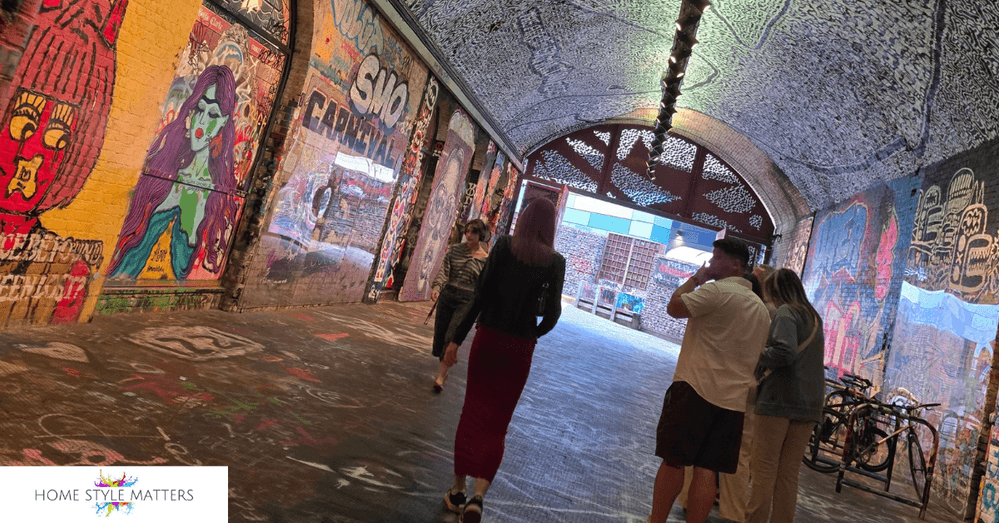
Not all graffiti is created illegally. There are designated spaces where artists can create work with permission, allowing graffiti culture and street art to develop without the issues associated with painting somebody else’s property without consent.
One well-known example is Leake Street Arches beneath Waterloo Station in London. Often referred to as the Graffiti Tunnel, it has become an evolving creative space where artists are permitted to paint the tunnel walls. New pieces regularly appear over existing artwork, meaning the experience can look completely different from one visit to the next.
This constantly changing environment is part of its appeal. Rather than attempting to preserve every piece permanently, spaces such as Leake Street allow new artists and ideas to become part of an evolving collection of urban art.
For anyone interested in graffiti and street art, visiting a recognised location like this can be a fascinating way to experience the culture while respecting the distinction between authorised creative spaces and graffiti placed on property without permission.
The Rise of the Street Art Mural
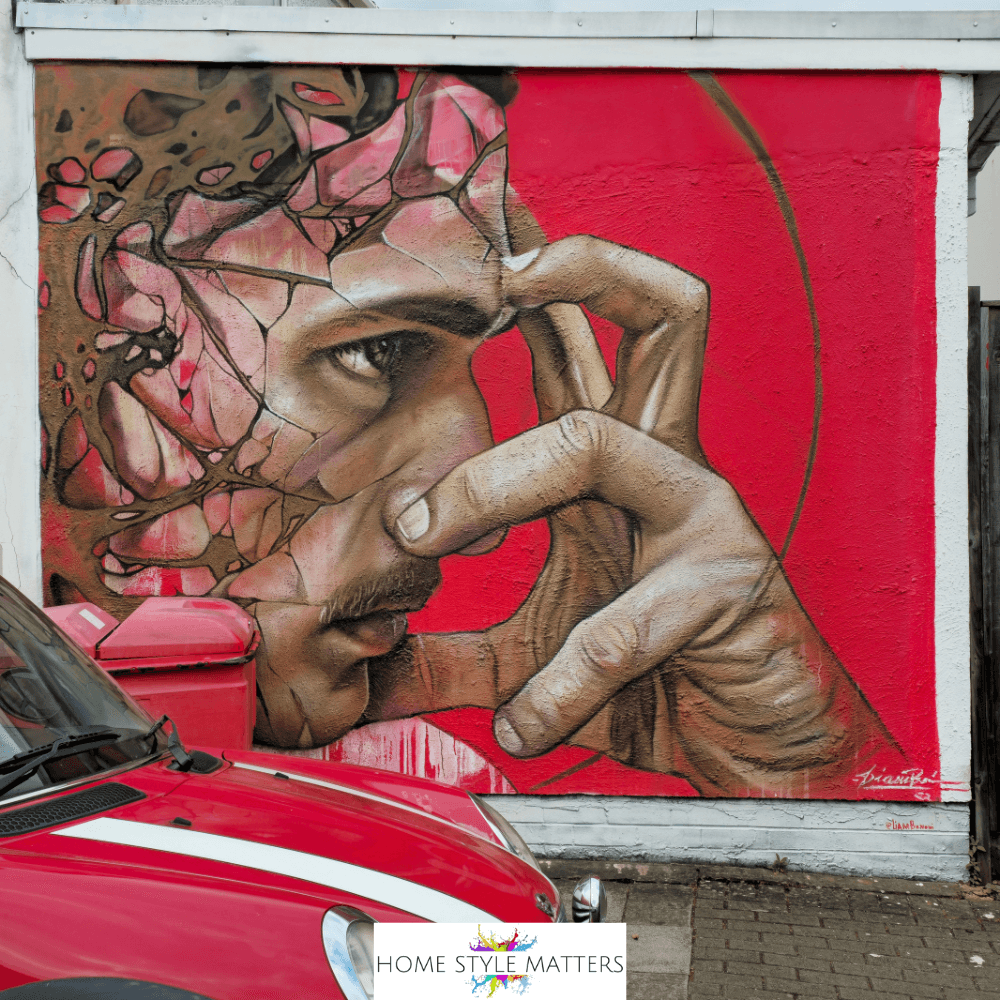
Large-scale murals have become one of the most recognisable forms of contemporary street art. Unlike a small tag or piece of lettering, a mural can cover an entire building façade, transforming an otherwise ordinary surface into a striking piece of public art.
Modern mural artists can use a wide range of materials, techniques and creative styles, including:
- spray paint
- brushes and rollers
- stencils
- typography
- illustration and portraiture
- digital design techniques
- mixed-media elements
The planning involved can be considerable, particularly when an artist is working across a large or unusually shaped surface. Digital tools can also help with developing and visualising a design before it is transferred onto a wall.
Many murals are now commissioned by councils, businesses, community groups and property owners. This form of authorised street art can provide opportunities for artists while allowing communities and property owners to deliberately introduce creativity, colour and character into their surroundings.
The result can be much more than a decorated wall. A successful mural can become a recognisable local landmark and contribute to the visual identity of the area around it.
Graffiti, Photography and Social Media
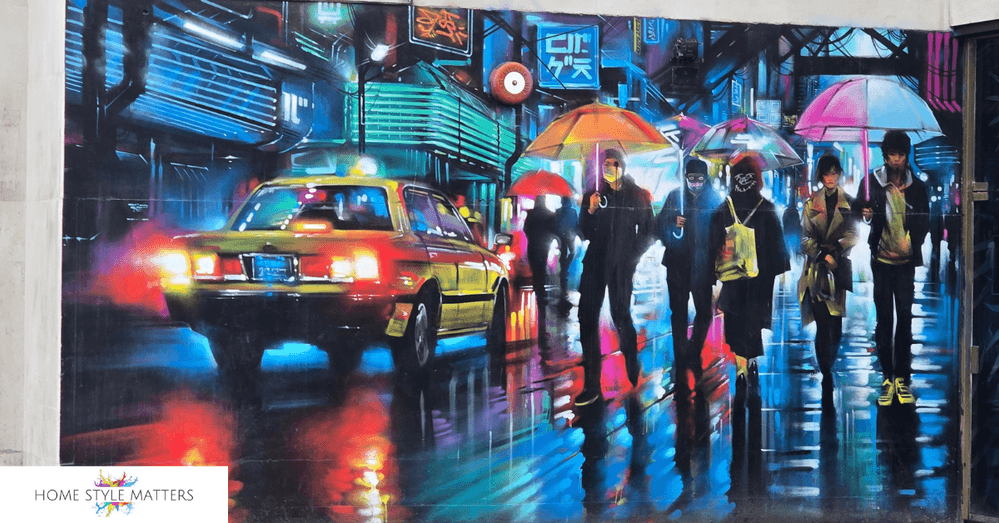
The visual nature of graffiti and street art makes it particularly suited to photography and social media. A colourful mural can provide an instantly recognisable backdrop for photographs, while constantly changing walls can encourage people to revisit locations to discover what has appeared since their last visit.
Social media has also given street art another way to reach an audience. A piece created on a wall in one town or city can be photographed, shared and seen by people much further afield, extending its reach beyond those who experience the original artwork in person.
There is also something interesting about the temporary nature of street art. A piece may eventually be painted over, removed, weathered or replaced by something completely different.
In that respect, photographing street art can become more than simply capturing an attractive image. It can provide a visual record of an ever-changing part of a town or city’s history, preserving the memory of artwork long after the original has disappeared.
Should Graffiti Be Preserved?
The temporary nature of street art raises an interesting cultural question. Should a particularly significant piece be preserved, or should street art remain an evolving part of the urban environment? There is no universal answer.
Some artworks acquire considerable cultural or financial significance, which can lead to debates about ownership, removal and preservation. A well-known example is Banksy’s Art Buff, which appeared on a building in Folkestone in 2014.
The mural was later removed from the building by the tenant and sent abroad, leading to a High Court dispute over ownership of the physical artwork. The court ultimately ruled that the tenant was not entitled to the removed mural, and Art Buff was subsequently returned to Folkestone.
Other street-art locations deliberately embrace change, with existing pieces regularly being painted over to make way for something new. This contrast is part of what makes graffiti and street art so interesting. Some pieces become protected and preserved, while others exist only temporarily before the urban landscape changes again.
The Future of Graffiti and Street Art
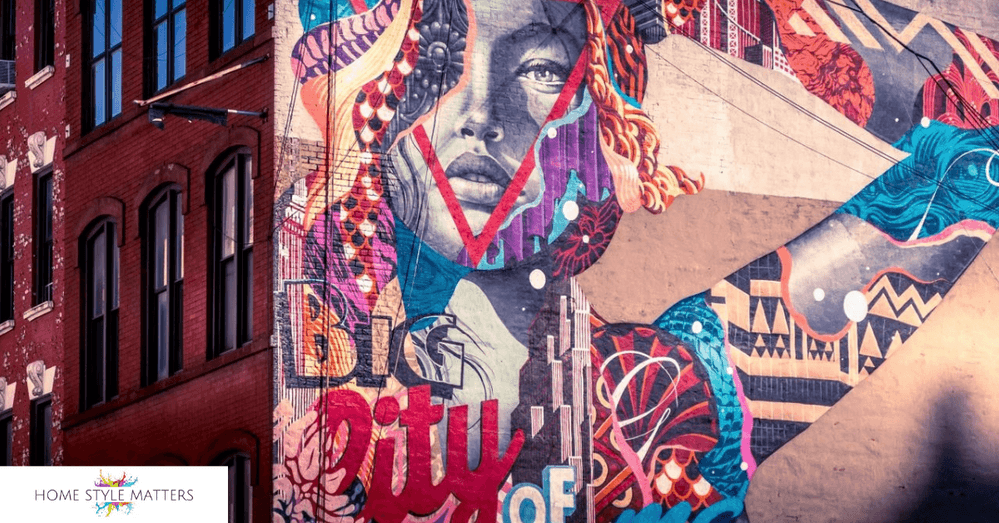
The future of graffiti and street art is likely to be just as varied as its history. Technology is already influencing the ways in which artists design, photograph and share their work, while digital tools can help them develop and visualise ideas before transferring them onto large physical surfaces.
Despite these technological changes, the fundamental appeal of street art remains remarkably simple: it places creativity where people can experience it as part of everyday life.
The continuing popularity of murals, commissioned artworks and dedicated graffiti spaces suggests that street art has established an important place within contemporary urban culture. As towns, cities, businesses and communities continue to embrace public art, there are likely to be even more opportunities for artists to transform otherwise ordinary spaces.
However, the distinction between authorised public art and unauthorised graffiti remains important. Creativity and artistic expression do not remove the need to respect property rights, obtain permission where necessary and follow local regulations.
Why Graffiti Matters in the 21st Century
Perhaps one of the most interesting things about graffiti and street art is that they refuse to fit neatly into a single category. Street art can be rebellious or commissioned, temporary or preserved, humorous or serious, highly commercial or completely spontaneous.
It can brighten an otherwise overlooked space, tell a story about a community, encourage discussion or simply provide something unexpected for people to discover as they go about their day.
For homeowners and interiors enthusiasts, street art also provides inspiration beyond the urban environment. Its bold use of colour, scale, typography and visual contrast can influence everything from statement artwork and feature walls to smaller decorative details within the home.
From its roots in urban subcultures to its growing presence within contemporary art, public spaces and interior design, graffiti has travelled a long way. What was once largely associated with tags and unauthorised markings has become part of the visual language of modern life.
Conclusion
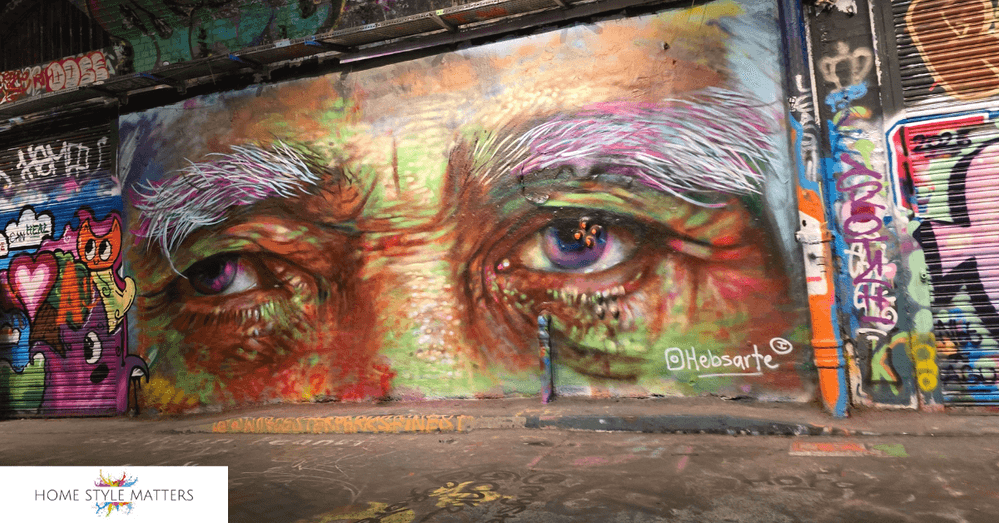
Whether you see graffiti as art, social commentary, urban expression or simply a colourful part of city life, its influence is difficult to ignore.
Graffiti and street art challenge traditional ideas about where art belongs and who gets to experience it. From enormous public murals to the urban-inspired artwork we bring into our homes, its influence continues to appear in unexpected places.
Perhaps that is part of its enduring appeal. Creativity doesn’t always belong inside four gallery walls; sometimes, the most memorable artwork is the piece you discover when you least expect it.