
How to Clear Snow and Ice From Paths, Steps and Driveways
Table of Contents
Knowing how to clear snow and ice from paths makes it easier to tackle the spots you use most when the temperature drops. Start with the route from your front door to the car or gate, and pay particular attention to outdoor steps and shaded patches that stay icy for longer.
Outdoor areas also deserve attention, from clearing garden paths and treating slippery surfaces to improving outdoor lighting, a few sensible precautions can make a considerable difference. It is especially important to think about older relatives, young children, visitors and family pets, who may be more vulnerable to winter hazards. Even familiar routes around the garden can become difficult to navigate when covered in frost or black ice. Fortunately, preparing your property does not have to involve expensive improvements or complicated maintenance. With a little forward planning and some practical winter safety measures, you can help make your home and garden safer throughout the colder months. In this guide, we explore some simple but effective ways to reduce hazards, protect your outdoor spaces and enjoy greater peace of mind when icy weather arrives.
How to clear snow and ice from paths
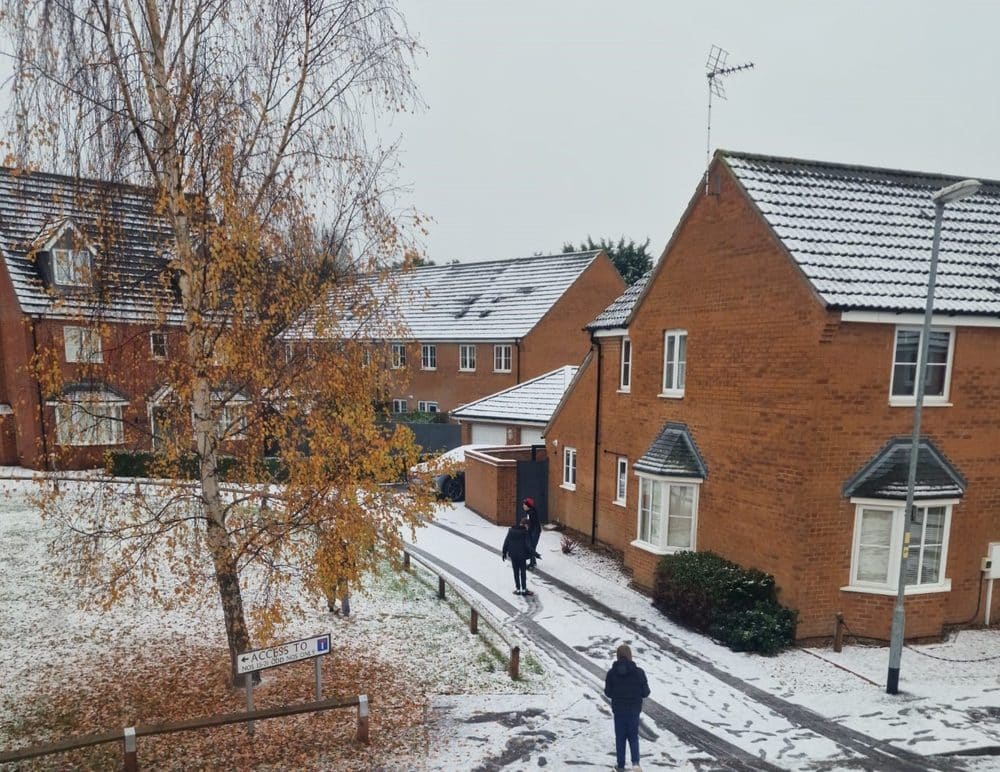
During the winter months, garden paths, driveways and paved areas can quickly become slippery when temperatures fall below freezing. Even a light covering of frost can make everyday journeys to the front door, garden shed or car potentially hazardous. One of the simplest ways to reduce the risk of slips and falls is to keep outdoor walkways clear, well maintained and free from unnecessary obstacles.
Keep Paths and Driveways Clear
Regularly check your garden paths and driveway in freezing weather. Remove fallen leaves, twigs and other debris, as these can become slippery when wet or frozen. If snow is forecast, try to clear it before it becomes compacted underfoot.
Snow: Fresh snow is generally easier to remove than snow that has been walked over and turned into a hard, icy surface. Use a suitable shovel or snow pusher and work carefully, particularly if you have a large driveway or uneven paving.
Use Salt or Grit to Improve Grip
Treating outdoor surfaces with salt or grit can help reduce the risk of slipping. Ordinary rock salt or specially supplied winter grit can help prevent ice forming and make existing icy surfaces safer to walk across. Spread it evenly over frequently used areas, paying particular attention to pathways leading to your front door, steps and the route to your car. If you do not have salt available, sand can provide some additional grip, although it will not melt the ice. Remember that salt can affect certain paving materials, plants and lawns, so avoid applying excessive amounts near delicate garden areas. Keep this material safely stored away from children and pets.
Check for Uneven or Damaged Paving
Winter is also a good time to identify potential trip hazards around your property. Loose paving slabs, raised edges, cracked paths and uneven surfaces can become particularly dangerous when covered with frost or snow. Where possible, arrange for repairs before the worst of the winter weather arrives. Pay particular attention to shaded areas beneath trees, beside fences and along the north-facing side of your property, as these places may remain icy for longer.
Don’t Forget Your Driveway
Driveways are often overlooked when preparing a home for winter, yet they can become one of the most frequently used outdoor areas. Make sure there is a clear route between your home and vehicle. If you have a sloping driveway, take extra care because icy surfaces can make walking and manoeuvring vehicles more difficult. Avoid rushing outside during freezing conditions, and always wear footwear with a good grip. A little preparation in advance will help make getting around your property safer during the colder months.
Making Outdoor Steps and Entrances Safer

Your front entrance is one of the most frequently used areas of your home, so keeping it safe during icy weather should be a priority. Whether you have a short pathway leading to your front door, a flight of garden steps or a raised porch, these areas can become particularly hazardous when frost and ice settle. Fortunately, a few simple precautions can help make your entrance safer and easier to navigate throughout winter.
Check Your Outdoor Steps
Garden and entrance steps can become extremely slippery when covered in frost, rainwater or ice. Even steps that are normally easy to use can present a risk when temperatures drop. Before winter arrives, check that all steps are in good condition. Look for loose paving, cracked surfaces, damaged edges or areas where rainwater collects. Any problems should ideally be repaired before freezing conditions become more frequent. Where possible, consider adding suitable non-slip outdoor stair treads or anti-slip strips. These can provide additional grip, particularly on smooth stone, concrete or timber steps.
Make Sure Handrails Are Secure
A sturdy handrail can provide valuable support when negotiating outdoor steps, especially when surfaces are slippery. Check existing handrails for loose fixings, rust or damage and arrange repairs where necessary. If your entrance steps do not have a support, consider whether installing one would improve accessibility and safety. Handrails are particularly helpful for older family members, anyone with limited mobility and visitors who may be unfamiliar with your property.
Keep Your Doorway Clear
It is easy to overlook the immediate area around your front door when preparing for winter. Remove wet leaves, mud and other debris from entranceways, as these can become slippery when temperatures fall. Make sure outdoor mats are suitable for external use, have a non-slip backing and do not curl at the edges. If you have a porch, check that the floor remains dry and that there is sufficient space to remove wet footwear without creating another trip hazard.
Improve Visibility Around Your Entrance
Dark winter evenings can make it harder to spot icy patches, steps and uneven surfaces. Consider installing or checking outdoor lighting around your front door, porch and entrance steps. Motion-sensor lights can be particularly useful because they illuminate the area when someone approaches. Make sure bulbs are working properly and that lighting covers the areas people actually walk across. A safer entrance is not necessarily an expensive improvement. Regular checks can help reduce the risk of accidents once the cooler temperatures arrive.
Dealing with Frost, Snow and Black Ice
Winter weather can be unpredictable, and even a relatively mild night can leave outdoor surfaces covered in frost or ice by the following morning. Knowing how to deal with these conditions can help reduce the risk of accidents around your home. While snow can make a garden look wonderfully picturesque, it is important to remember that frozen surfaces can quickly become dangerous, particularly around frequently used pathways, driveways and entrances.
Understanding the Risks of Black Ice
Black ice is one of the biggest hazards during freezing weather because it can be difficult to see. Unlike thicker patches of ice, black ice often forms as a thin, transparent layer over existing surfaces, allowing the pavement or driveway underneath to remain visible. This can make it particularly deceptive, as a pathway may appear wet rather than frozen. It commonly develops overnight when temperatures fall, especially in shaded areas, on bridges, sloping driveways and places where moisture collects. If you suspect black ice is present, avoid walking across the affected area where possible. Choose a safer alternative route and take extra care when entering or leaving your property.
Clear Snow Before It Becomes Compacted
If snow is forecast, try to clear frequently used pathways as early as reasonably possible. Fresh snow is generally easier to remove than snow that has been compressed by footsteps or vehicle tyres. Once compacted, it can become much harder to clear and may develop into a slippery layer of ice. Use a suitable shovel or snow pusher, working carefully and clearing a manageable amount at a time. Pay particular attention to the route leading to your front door, bins and parking area. If you are physically unable to clear snow safely, avoid putting yourself at risk. Ask for assistance where possible.
Choose the Right De-Icing Materials
Rock salt is commonly used to help prevent ice forming and to melt existing ice on suitable outdoor surfaces. For the best results, apply it evenly before freezing conditions arrive or when treating an icy pathway. Always follow the product instructions and avoid excessive application. Sand or fine grit can also provide additional traction where surfaces remain slippery, although these materials do not melt ice. It is worth remembering that salt can damage some surfaces and may affect nearby plants, lawns and pets’ paws. Brush away excess material when conditions improve.
Avoid Pouring Hot Water Over Icy Surfaces
It might seem like a quick solution to pour hot water over a frozen pathway, but this can make the situation worse. As the water cools, it can refreeze and create another layer of ice, potentially making the surface even more dangerous. Instead, use an appropriate de-icing product and allow sufficient time for it to work.
For more advice on clearing paths and driveways, see the Met Office snow code.
Keep an Eye on Changing Weather Conditions
Winter conditions can change quickly, so keep an eye on local weather forecasts, particularly when temperatures are expected to fall overnight. A pathway that was perfectly safe during the afternoon may be slippery the following morning. Checking outdoor areas before setting off to work, walking the dog or taking the bins out can help prevent unexpected accidents.
Remember: Never assume a surface is safe simply because it looks clear. Frost and black ice can be difficult to identify, so taking a cautious approach is always sensible.
Improving Outdoor Lighting During Dark Winter Evenings
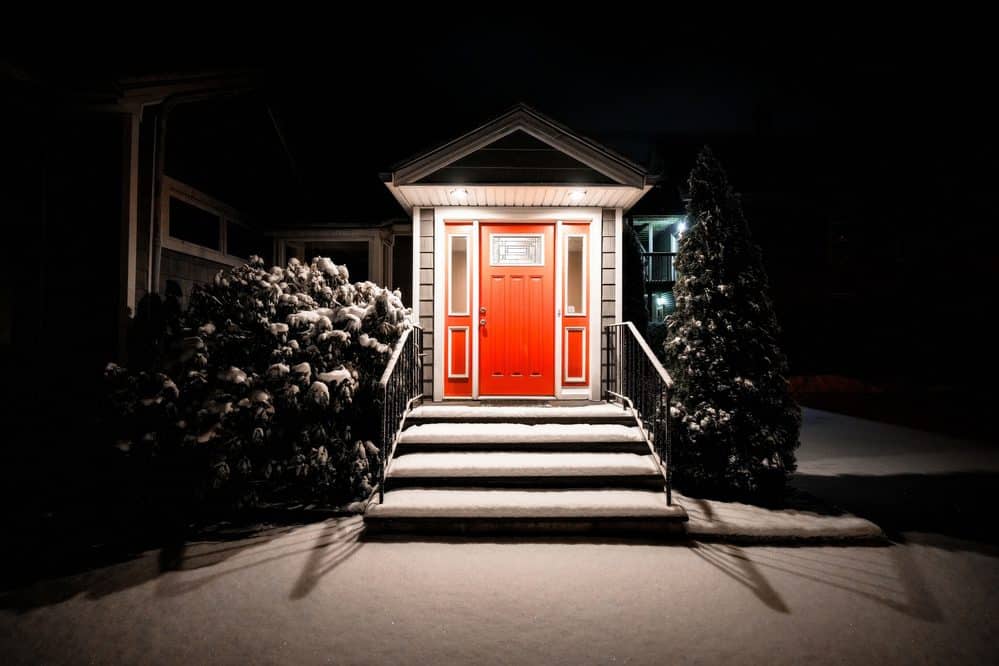
With shorter days and longer nights, outdoor lighting becomes particularly important during the winter months. A pathway that is easy to navigate in daylight can become difficult to see after dark, especially when frost, wet leaves or icy patches are present. Good lighting around your property can help you spot potential hazards before stepping outside. It also makes everyday tasks a little easier and safer.
Here are a few practical ways to improve outdoor lighting:
- Light up Pathways and Driveways: Make sure the route from your front door to the driveway, gate or garage is adequately illuminated. Pay particular attention to uneven paving, changes in level and areas where water tends to collect.
- Don’t overlook Steps and Entrances: Outdoor steps, doorways and porches should be clearly visible. Wall lights or low-level pathway lighting can help highlight changes in height.
- Consider Motion-Sensor Lights: These can be useful near entrances, side passages and garden gates, switching on when movement is detected. They also mean you do not have to remember to turn the lights on yourself.
- Keep existing Lights in good condition: Clean outdoor light fittings, check bulbs are working and replace damaged covers or fittings where necessary. Overgrown shrubs can also block light, so keep plants trimmed back where they obscure pathways.
- Choose suitable Outdoor Fittings: Any new lighting should be designed for outdoor use and suitable for its position. If new mains wiring is required, use a qualified electrician rather than attempting the work yourself.
A little preparation can make it easier to move around your property after dark and help you identify slippery or obstructed areas.
Protecting Pets During Freezing Weather
Cold temperatures can be just as uncomfortable for our pets as it is for us. Although some animals enjoy playing in the snow, freezing temperatures, icy surfaces and cold winds can create additional risks for dogs, cats and other family pets. A little extra care can help keep them comfortable and safe throughout the colder months.
Keep outdoor time sensible
Dogs still need regular exercise during winter, but consider shortening walks when temperatures are particularly low, especially for puppies, older dogs and breeds with thinner coats. If conditions are icy, choose safer routes and avoid slippery paths where possible.
Protect paws from ice and grit
Salt and grit used on roads and pavements can irritate pets’ paws. After walks, gently wipe their feet with a damp cloth and dry them thoroughly. Check between their toes for compacted snow, grit or small cuts.
Provide a warm, comfortable place indoors
Make sure pets have a draught-free place to rest, away from cold floors and chilly doorways. Older animals and those with short coats may appreciate an extra blanket or a comfortable pet bed.
Take care with outdoor water and shelter
If your pet spends time outdoors, check that their drinking water has not frozen. Outdoor animals also need suitable, dry and insulated shelter that protects them from wind and rain. Bring pets indoors whenever conditions become too severe for them to remain comfortable.
Be careful with antifreeze and de-icing products
Antifreeze can be extremely poisonous to pets, even in small quantities. Store it securely, clean up any spills immediately and never leave containers where animals can reach them. If you suspect your pet has come into contact with antifreeze, contact a vet immediately rather than waiting for symptoms.
Finally, remember that pets can feel the cold differently depending on their age, size, coat and health. Watch for signs that they are uncomfortable, such as shivering, reluctance to walk or seeking warmth, and speak to your vet if you are concerned. A few thoughtful precautions can help your four-legged family members enjoy winter safely, while keeping them warm and comfortable at home.
Helping Older Relatives and Visitors Stay Safe
Winter safety is particularly important when we have older relatives, young children or visitors coming to our homes. Familiar outdoor areas can become surprisingly hazardous when frost, ice and wet leaves make paths and steps slippery. A little extra preparation can help everyone feel more confident when visiting or moving around your property.
Pathways: Make pathways easy to navigate, before visitors arrive, check that the main route to your front door is clear of leaves, garden debris, snow and ice. Pay particular attention to narrow pathways, uneven paving and areas that may be shaded and remain icy for longer.
Entrance Clear From Clutter: Keep entrances clutter-free, move plant pots, shoes, delivery boxes and other obstacles away from doorways and pathways. Make sure outdoor mats are secure and do not curl up at the edges, as these can create additional trip hazards.
Helping Hand: Offer a helping hand If an older relative or visitor is unfamiliar with your garden or driveway, let them know if any areas are particularly slippery. Do not just assume they will manage safely on their own.
Slippery Floors: Think about indoor comfort too, cold, wet footwear can make entrance halls slippery. Keep a suitable mat by the door and somewhere convenient for visitors to leave wet shoes and coats. Good lighting inside the entrance also makes it easier to see where you are walking.
It is easy to overlook these small details when preparing for visitors, but taking a few minutes to check in advance of the visit can make a meaningful difference during winter.
Conclusion
Winter can be a beautiful time of year, but frost and icy conditions can create hazards that are easy to overlook. Taking a little time to prepare your home and garden can help reduce these risks and make everyday activities more comfortable. It is also important to remember that conditions can change very quickly so with a little forward planning and consideration for everyone who uses your home, you can keep family and friends safe throughout the winter period.