Home Maintenance Tips for Optimal Heating Performance
Table of Contents
When autumn’s first real chill hits, the last thing anyone wants is to crank up the heat only to hear silence, strange noises, or get nothing but lukewarm air. A good heating system is key to a comfy home, but it does need a little TLC to work its best. Luckily, you don’t have to be a pro to handle the basic stuff that keeps your system running smoothly and helps you avoid pricey emergency repairs.
Regular System Checks
Before the heating season really gets going, take some time to look and listen. When your system kicks on, listen for any odd sounds like rattling, humming, or banging. These noises could mean loose parts or bigger mechanical problems. Also, make sure the area around your furnace or indoor unit is clear. These systems need good airflow to run safely and efficiently. Then, walk through your home and check that all your vents are open and nothing like furniture or rugs is blocking them. This helps the heat spread evenly. Just a few essential maintenance tips can really make your whole system last longer.
Air Filter Replacements
One of the easiest and most important things you can do is change your air filter regularly. A dirty filter makes your system work much harder to pull in air, which wastes energy and puts extra stress on its parts. This can lead to higher energy bills and even cause the system to break down over time. Plus, a clogged filter won’t catch dust, pollen, and other allergens, making your indoor air quality worse. The importance of air filter maintenance for this simple task is huge for both your system and your family’s health. Check your filter every month and plan to swap it out every 1 to 3 months. How often depends on what your system recommends and things like pets or allergies in your home.
Understanding Different Heating Types
Not all heating systems are alike, and knowing what you have helps you take care of it right. Most homes use a forced-air furnace that burns natural gas or oil to heat air, which then travels through ducts. Other homes have heat pumps, which are like air conditioners working backward, pulling heat from outside air and moving it inside. Some older houses might still use boilers that heat water circulating through radiators or baseboard heaters. A newer and more popular choice is radiant heating, like electric underfloor heating, which gives you steady, cozy warmth right from the floor up. Each type has its own maintenance needs, so check your owner’s manual for specific advice.
Preparing for Colder Seasons
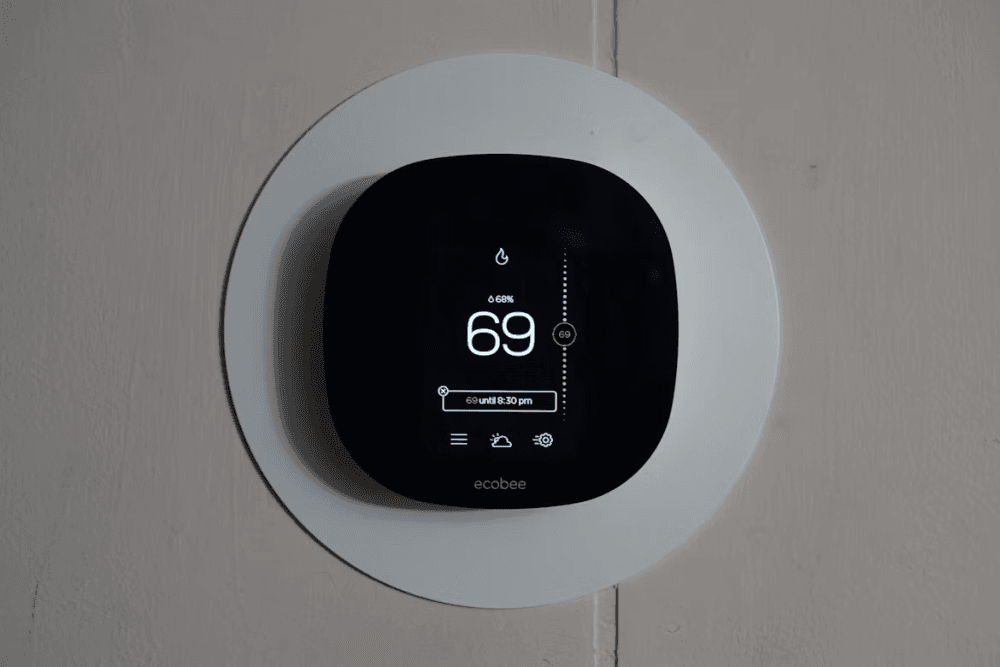
A few weeks before you expect to need your heat all the time, it’s smart to do a quick check-up. Turn on your thermostat and set it to “heat” to make sure the system starts up okay. Let it run for 15 to 20 minutes to confirm warm air is coming out of the vents. You might notice a slight burning smell the first time you turn it on for the season, but that’s usually just dust burning off the heating elements and is totally normal. It’s also a great time to check the seals around your windows and doors for any drafts that could let precious heat escape. A little weather stripping can really help make your home more efficient.
When to Call a Professional
While you can handle many common issues yourself, some problems definitely need a pro. If you smell gas or a strong electrical burning odor, turn your system off right away and call for service. Loud noises that won’t quit, a system that turns on and off way too often, or a complete failure to produce heat are also clear signs it’s time to call an HVAC technician. Trying to fix complicated electrical or mechanical problems yourself can be dangerous and might even cancel your system’s warranty. Getting an annual professional tune-up is also a smart move to make sure all parts are working safely and at their best.
Taking care of your home’s heating system proactively means you’ll stay warm all winter, save money, and help your equipment last longer. Just a few simple checks and changing your filter on time can make a world of difference.