
How to Prepare Your Home When Flooding isn’t Typical
Heavy rain hits different when flooding “isn’t a thing” where a house is. Like, in flood-prone areas, people already have routines, sandbags, sump pumps, the whole mindset. They even have flood insurance for their house because it makes total sense, given the area that they live in. But in places where it’s usually just a normal storm and then life goes on, it’s easy to treat heavy rain like it’s only annoying, not risky. And that’s exactly how people end up staring at a puddle in the basement like, okay, so what is this now?
Well, yeah, sometimes heavy rain just happens; you can’t always predict it, especially in the area you live in, it’s just not the norm. But when a downpour happens, you still need to be prepared; if it has happened before, it can, and it will happen again within due time. So, how can you better prepare then?
Remember, Water Always Starts Outside
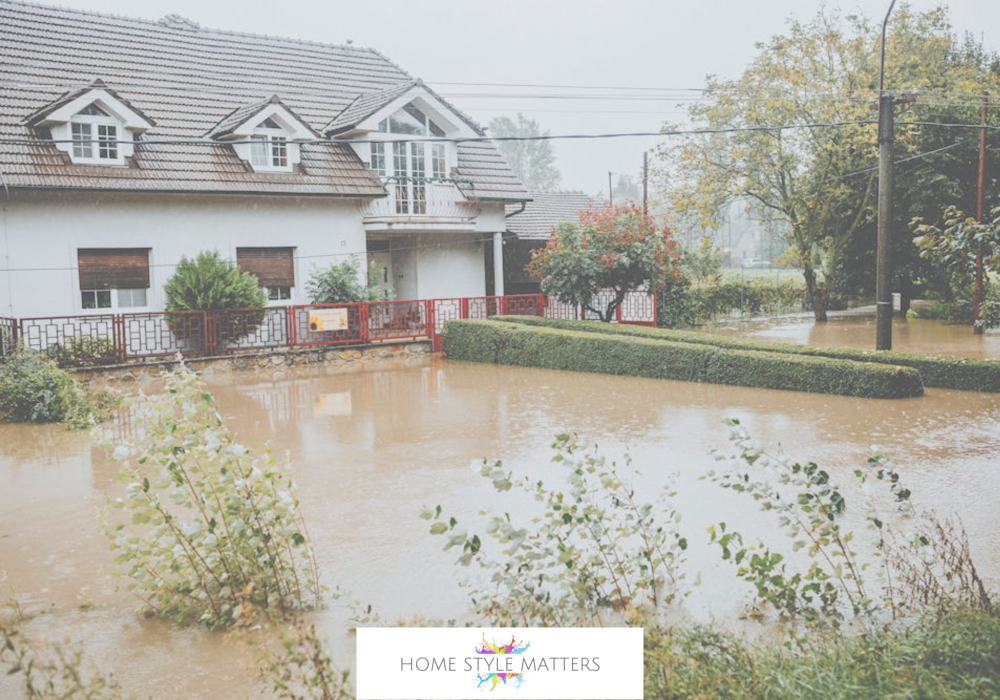
Yes, that’s already a given here. But just give it some thought for a second, though; most indoor flooding issues begin with the outside setup being a little off. Gutters are the first place to look, because if they’re clogged, water pours over the edge and lands right by the foundation, which is basically the worst possible place for it. And yes, downspouts matter too. If they dump water right next to the house, that water will keep trying to find a way in. You have to just check everything, fix what you can, clean your gutters, see where soil slopes, those sorts of things.
Flood Starts in the Basements and Crawl Spaces
Do you have these? Well, if you do, then these have to be taken care of. So, basements and crawl spaces are usually the first places to show water problems, because they’re below grade and they’re surrounded by soil that holds moisture. If the basement already smells musty, or there’s staining on the walls, or there are spots that feel damp after storms, that’s the house giving a warning.
This is also where it’s worth knowing what systems exist down there. Is there a sump pump, and does it actually work? You do need to check; you can’t do “I don’t know” as your answer here. If there isn’t one, and the area is starting to see heavier storms than it used to, it might be time to look into options, because sump pump installation and repair is one of those practical upgrades that’s boring until it saves a basement. If there is a sump pump already, test it. Don’t wait for a storm to find out it’s dead, again. All of this needs to get done and be taken seriously.
Prep for Power Issues
As you already know here, heavy rain and thunderstorms can cause outages, and outages are annoying on their own. But when flooding risk is part of the picture, losing power becomes a bigger deal. So, it can’t be stressed enough here, but it’s worth keeping flashlights accessible, battery packs charged, and a plan for what happens if power goes out for hours. It’s basic stuff everyone needs in case of an outage, well, in their emergency kit.