

Ventilating Your Home in Winter Without Losing Too Much Heat
Table of Contents
When it’s freezing outside, opening the windows might be the last thing you feel like doing, especially when you’re trying to keep your heating bills under control. However, keeping your home sealed up throughout winter can lead to condensation, stale air and unwanted moisture.
The good news is that ventilating your home in winter doesn’t have to mean letting all that lovely warmth escape. With a few simple changes to your daily routine, you can improve airflow, help prevent damp and mould, and keep your home feeling fresh and comfortable without wasting unnecessary energy.
Why Does Your Home Need Ventilation in Winter?
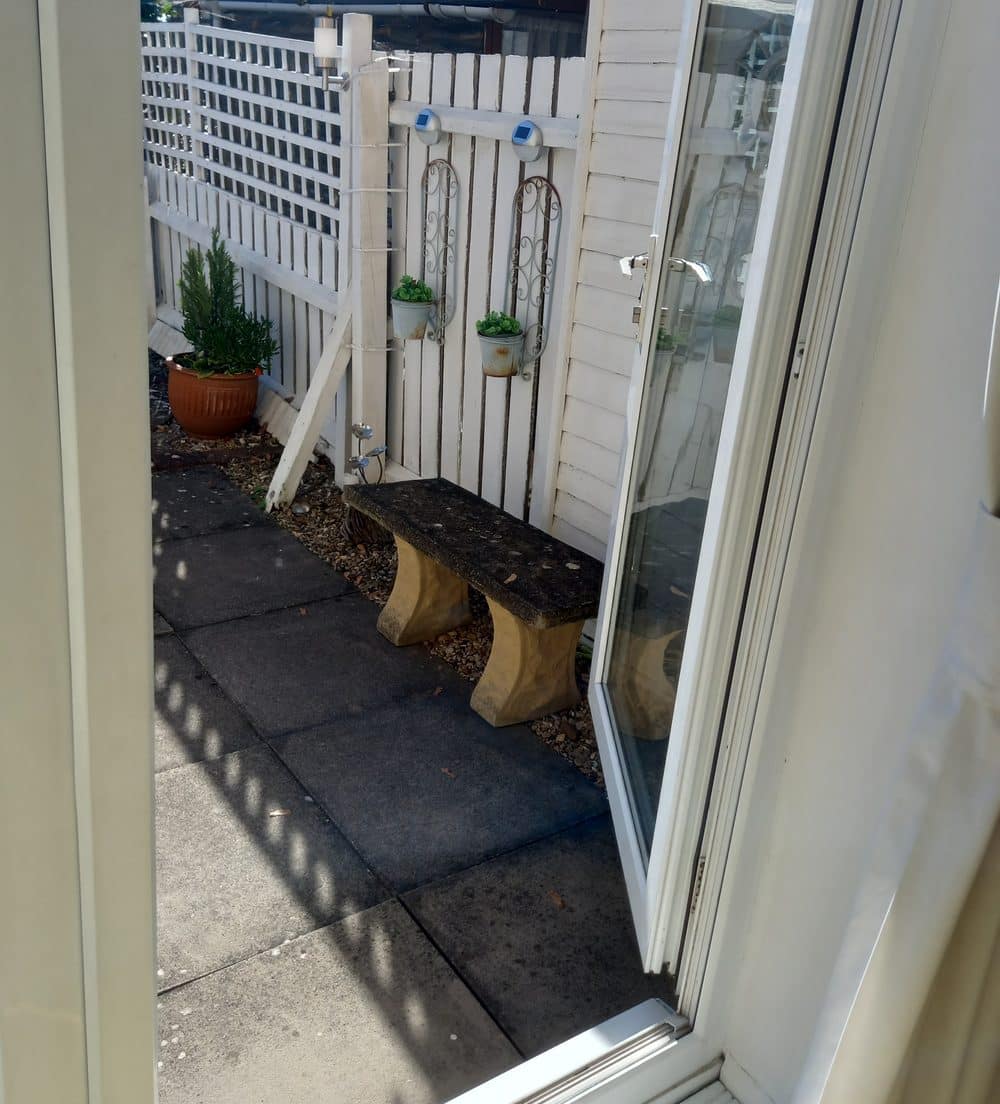
A well-heated home still needs a supply of fresh air. Modern homes can be relatively airtight, particularly following improvements such as double glazed new windows and doors, insulation and draught-proofing. While these improvements can make a property more energy efficient, they can also reduce unwanted air movement. Moisture is continually produced inside the home. Cooking, bathing, showering, drying laundry and even simply breathing all add water vapour to the air. If this moist air cannot escape, it can settle on colder surfaces such as windows, external walls and around window frames.
Over time, persistent condensation can create conditions where mould is more likely to develop. If you’re regularly waking up to wet windows, our guide to stopping condensation on windows explains what causes the problem and how to prevent mould from developing.
If condensation is a recurring problem, it’s worth looking at how moisture is produced and removed throughout your home. The Energy Saving Trust offers independent advice on home energy efficiency, helping homeowners understand how ventilation, insulation and heating work together.
Good ventilation helps remove:
- Excess moisture
- Cooking smells
- Bathroom humidity
- Airborne pollutants
- Stale indoor air
- Some household odours
The aim is not to make your home cold. Instead, it is to remove moist, stale air and replace it with fresher air efficiently.
Ventilating Your Home in Winter: Practical Tips
Open Windows Briefly Rather Than Leaving Them Open for Hours
One of the simplest ways to introduce fresh air is to open windows for a short period rather than leaving them slightly open throughout the day. A brief burst of ventilation can exchange stale, humid indoor air without allowing your home and its furnishings to become excessively cold. Where practical, create a cross-flow by opening windows on opposite sides of the property for a short period. This can encourage air to move through the home more quickly. Remember to close the windows once the room has been adequately ventilated.
Use Trickle Vents Properly
If your windows have trickle vents, do not automatically close them throughout the winter. These small vents are designed to provide background ventilation while minimising the amount of heat lost compared with leaving a window open. Keep them clear of dust, paint and other obstructions, and check that they can open and close correctly. If you have recently had new windows installed, make sure you understand how their ventilation features work.
Make Good Use of Bathroom Extractor Fans
Bathrooms can generate a considerable amount of moisture, particularly during showers and baths. Use your extractor fan while showering or bathing and allow it to continue running afterwards if appropriate for your system. Keeping the bathroom door closed can also help prevent moist air spreading throughout the rest of the house. If your extractor fan appears weak, noisy or ineffective, it may need cleaning, servicing or replacing. A properly functioning extractor fan can be particularly useful during winter because it removes humid air without requiring you to open a large window for an extended period.
Always Use Your Kitchen Extractor Hood
Cooking can release a surprising amount of moisture into the air. Use your extractor hood while cooking and, where appropriate, leave it running for a short period afterwards. If your cooker hood vents externally, make sure the ducting and outlet are unobstructed. Recirculating extractor hoods can help with cooking odours and grease, but they do not remove moisture from the home in the same way as an externally vented system. Using lids on saucepans can also reduce the amount of steam released into the kitchen.
Keep Internal Doors Closed During Moisture-Producing Activities
A simple habit can make a noticeable difference. When showering, bathing or cooking, keep the relevant internal door closed where possible. This helps contain moisture close to the source so that extractor fans can remove it more effectively. Afterwards, open windows when possible to ventilate the room rather than allowing humid air to spread around the rest of the house. This is particularly useful in winter when colder rooms and external walls can provide surfaces where condensation forms more easily.
Do Not Block Air Vents
Furniture, curtains and household items can accidentally obstruct ventilation points.
Check that:
- Trickle vents are not blocked
- Extractor fan grilles are clean
- Air bricks remain unobstructed
- Furniture is not pushed tightly against ventilation points
- Internal doors and ventilation pathways are used as intended
Never block a ventilation opening simply because you are trying to keep a room warmer. If you are unsure about the purpose of a particular vent, establish what it is for before covering or removing it.
Keep Your Home Warm, But Avoid Overheating
Ventilation and heating should work together. Maintaining a reasonably consistent indoor temperature can help reduce the number of very cold surfaces on which condensation can form. However, there is no need to overheat rooms simply to compensate for poor ventilation. Heating a room while simultaneously allowing large amounts of warm air to escape for long periods is unlikely to be an efficient strategy. Instead, think about short, purposeful ventilation combined with sensible heating. Once you have ventilated a room, close windows and allow your heating system to bring the room back to a comfortable temperature.
Good ventilation is only one part of keeping your home comfortable during the colder months. Improving insulation, tackling unwanted draughts and making the most of your heating system can also help reduce unnecessary heat loss. For more practical ideas, read our guide to keeping your home warm while cutting energy bills.
Give Furniture Space to Breathe
Large wardrobes, cupboards and sofas positioned tightly against external walls can restrict air circulation. Where practical, leave a small gap between furniture and colder external walls. This allows air to circulate and makes it easier to spot early signs of condensation or mould. Avoid filling wardrobes so tightly that air cannot circulate between clothes. This is particularly important in bedrooms, where overnight breathing naturally adds moisture to the air.
Ventilate Bedrooms Every Morning
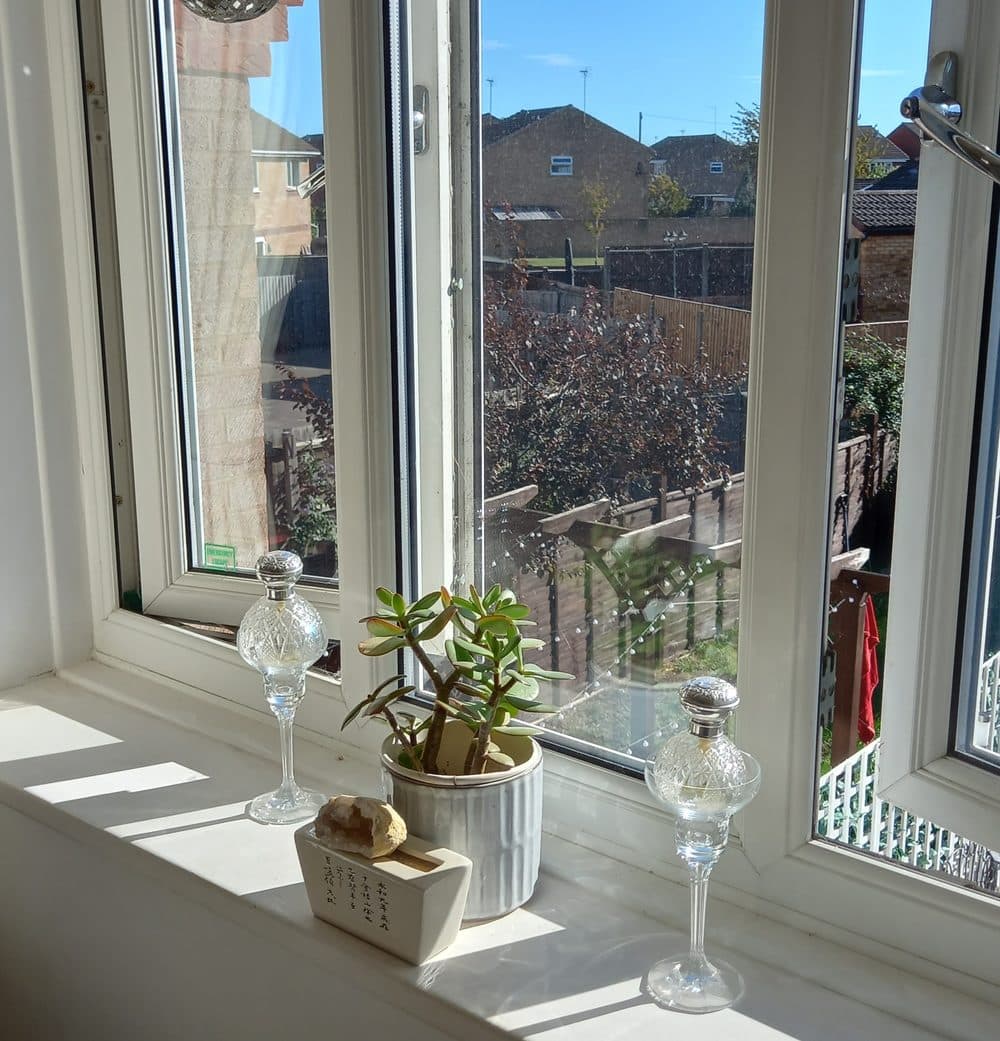
Bedrooms can become surprisingly humid overnight. A simple morning ventilation routine can help refresh the air. Open the bedroom window briefly, where practical, and allow the room to air before closing it again. Pulling back curtains and blinds during the day can also allow sunlight to reach the room and make it easier to spot condensation around windows. If bedroom condensation is persistent, consider whether the room has adequate background ventilation.
What About Draughts?
There is an important distinction between uncontrolled draughts and purposeful ventilation. Draught-proofing gaps around doors, windows and other areas can improve comfort and reduce unnecessary heat loss. However, ventilation systems and intentional air vents should not be blocked simply because they allow air into the property. If you are improving the energy efficiency of an older property, consider ventilation alongside insulation and draught-proofing rather than treating them as completely separate issues. A home needs to be warm and energy efficient, but it also needs adequate fresh air.
If your home has a mechanical ventilation system, follow the manufacturer’s instructions to ensure it operates efficiently. These systems are designed to provide controlled airflow, so they may not require the same window-opening routine as homes relying on natural ventilation.
Conclusion
Keeping your home warm and well-ventilated during winter is all about finding the right balance. You don’t need to leave windows wide open all day or sacrifice comfort to enjoy fresher indoor air. Small habits, such as using extractor fans, managing moisture when cooking and showering, and allowing fresh air to circulate, can make a real difference.
It’s also worth paying attention to the areas where condensation tends to appear, particularly around windows, behind furniture and in bedrooms. If damp or mould keeps returning despite good ventilation, there may be an underlying problem that needs investigating rather than simply opening the windows more often.
With a little care and a few sensible routines, you can help keep your home comfortable, healthier and more energy-efficient throughout the colder months.